
Healing Chronic Disease and Infertility Through a Carnivore Diet: A Comprehensive Guide to Revolutionary Nutrition and Fasting
Revisiting Ancient Nutrition: The Evolutionary Argument for an Animal-Based Diet
The quest for optimal health often drives us to examine our past. Historically, what did our ancestors eat? Evidence suggests that early humans thrived on a diet predominantly composed of animal-based foods: fatty meats, bone marrow, and organ meats. These were the cornerstone of survival, providing dense nutritional content essential for the development of our large brains and physical vigor. The Paleolithic era, featuring hunter-gatherer societies, showcases this carnivorous tendency—an evolutionarily sound adaptation that many argue aligns closely with our genetic makeup today.
Contemporary health movements often underscore plant-based diets, yet the question remains—are these truly optimal for addressing chronic diseases and infertility? When we scrutinize human evolution, we find that our physiological development has largely occurred in the absence of agriculture’s plant-based predominance. Instead, a return to nutrient-rich animal products, untouched by modern processing, may hold the key to unlocking human health potential.
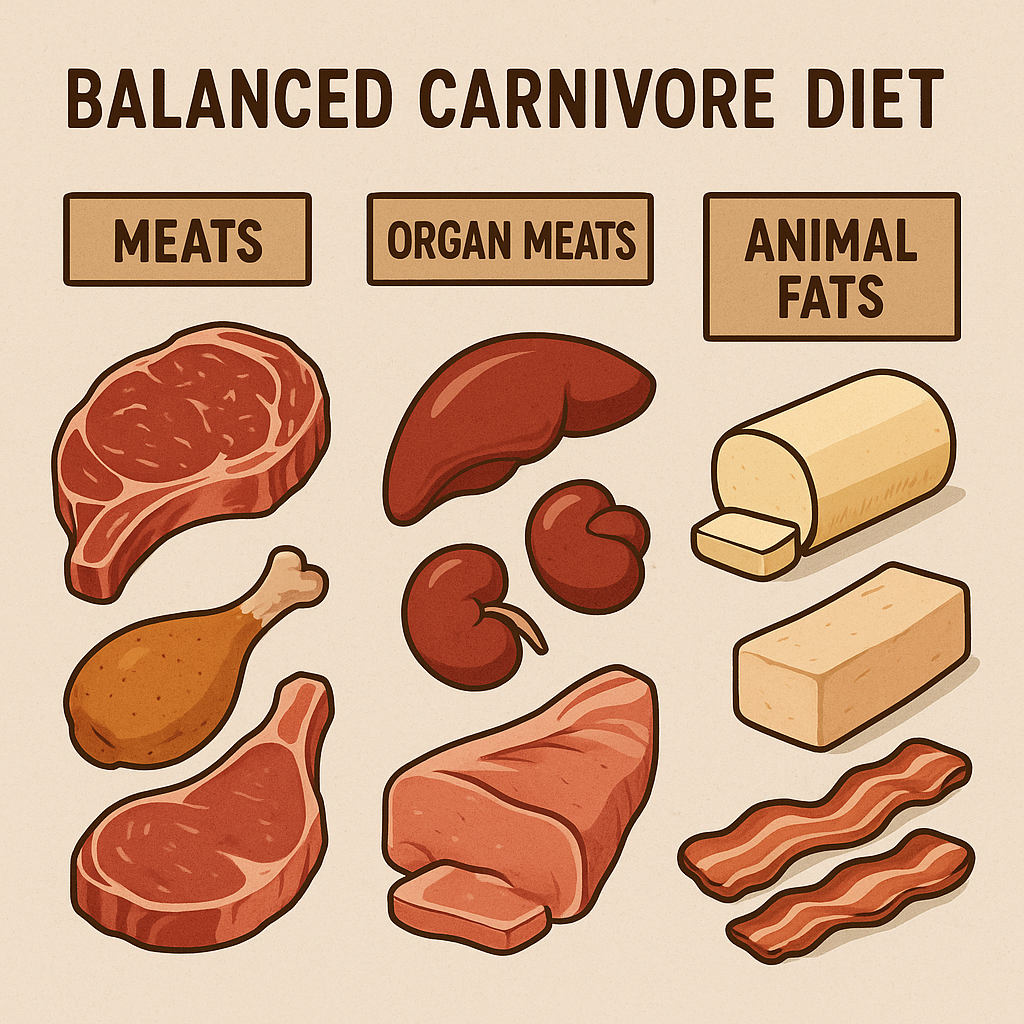
Over the millennia, anthropological studies and recent scientific analyses highlight the role of animal fats in human nutrition. Fatty meats play a critical role in stabilizing blood sugar levels, reducing systemic inflammation, and ultimately supporting hormonal balance and metabolic health—factors intrinsically tied to fertility and overall wellness.
Unveiling Plant Toxins: The Hidden Dangers Lurking in Common Diets
Contemporary nutrition often elevates plants as nutritional powerhouses. However, while abundant in vitamins and fibers, plants come with a suite of self-defense chemicals that can impact human health. These anti-nutrients—oxalates, lectins, and phytates—are naturally occurring compounds intended to deter predators. When consumed by humans, they can adversely affect gut health, contribute to systemic inflammation, and impede nutrient absorption.
Take oxalates, commonly found in leafy greens. In susceptible individuals, they bind to calcium and other minerals, forming crystals that can lead to stone formation and kidney distress. Similarly, lectins present in grains and legumes can disrupt the gut barrier, potentially triggering autoimmune responses. These plant toxins challenge the notion that a plant-heavy diet is universally beneficial—and exemplify why removing these from one’s diet might support gut healing and overall systemic health.
For individuals plagued with autoimmune diseases, reducing food sources that contribute to gut inflammation becomes paramount. By focusing on animal proteins and fats devoid of these inflammatory precipitants, it’s possible to cultivate a diet designed for repair and restoration rather than ongoing irritation.

The Interplay of Sugars, Metabolic Diseases, and the Carnivore Diet
Diabetes, obesity, and other metabolic disorders are often linked schismatically to excessive sugar intake. The role of carbohydrates, particularly refined sugars, in the advancement of insulin resistance remains under careful scrutiny. Within this context, understanding the power of the carnivore diet becomes essential, where carbohydrates are minimized to such an extent that the body pivots back towards fat-based metabolism—a state akin to our ancestors’ normative dietary regime.
The paradigm shift involves reevaluating the misconceptions surrounding dietary fat and protein. Despite longstanding myths, evidence continues to illustrate that dietary fat, specifically from animal sources, is not the villain of metabolic health. Rather, it offers satiety, hormonal health benefits, and a dynamic fuel source that encourages stable blood glucose levels and minimizes insulin spikes.
Moreover, concerns such as ‘protein poisoning’—the misconception that high protein intake alone can be toxic—tend to overlook the body’s capacity to utilize and balance macronutrient intake. A balanced carnivorous approach naturally supports a harmonious ratio of proteins and fats.
Harnessing the Power of Fasting with a Carnivore Diet
Fasting has been practiced historically as a method of healing. When combined with a carnivore diet, it acts as a powerful tool to enhance cellular regeneration. Why? Because fasting promotes autophagy—the body’s way of cleaning out damaged cells and regenerating newer, healthier ones. This process is vital for maintaining the cellular youthfulness and supports the healing of chronic conditions.
Extending periods between meals allows for the body’s systems, including the glycocalyx—the protective lining for our blood vessels and cells, to heal and regenerate, protecting against metabolic dysfunction. By permitting the digestive system periodic rest, the body efficiently redirects energy towards repairing tissues and controlling oxidative stress—particularly impactful for individuals coping with chronic inflammation or autoimmune flare-ups.
Integrating intermittent fasting with a carnivore approach involves remodeling meal patterns, perhaps reducing meal frequency to one or two substantial, nutrient-rich meals a day. Thus, it naturally turns the body’s attention towards utilizing stored fats, a key feature in reversing the cycle of insulin dependence.
Navigating the Transition to a Carnivore Lifestyle
Beginning the carnivore journey requires dismantling dietary taboos and confronting often ingrained biases. Embracing fatty meats such as ribeye, fatty fish, and even nutrient-dense organ meats is pivotal. These choices ensure optimal fat intake necessary for hormonal balance, cellular health, and overall vitality.
Practical hurdles, such as societal pressure and the allure of processed foods, often challenge transitions. However, approaching dietary changes as an experimental journey encourages personal empowerment. Health outcomes frequently reported include stabilized energy levels, improved cognition, and resolution of chronic pain.
For individuals challenged with fertility or autoimmune conditions, anecdotal evidence combined with growing scientific interest demonstrates how eliminating potential irritants and focusing on restorative foods can lead to remarkable transformations not achieved through conventional dietary wisdom.
Addressing personal health needs through diet allows one to break free from rigid health dogmas that permeate traditional medical narratives. Empowered with data, evidence, and personal experience, it becomes possible to forge a unique path to wellness—one that potentially defies conventional expectations.
Ultimately, individualized experimentation with a carnivore diet invites a reimagining of nutrition—a powerful reset for many, away from the confines of societal dietary norms and towards an authentic, genetically aligned blueprint for health.