
Rethinking Cholesterol and Dietary Fats: Evidence-Based Insights for Heart Health and Nutrition
The Vital Roles of Cholesterol in the Body
Cholesterol often carries a negative connotation in discussions about health, primarily due to its association with cardiovascular disease. However, it’s crucial to recognize that cholesterol is indispensable to a multitude of bodily functions. As a structural component of cell membranes, cholesterol provides stability and fluidity, essential for optimal cellular function. Cholesterol also serves as a precursor for the synthesis of steroid hormones, including sex hormones and adrenal corticosteroids, and plays a vital role in the production of vitamin D and bile acids necessary for fat digestion.
Contrary to common belief, the terms LDL and HDL, often referred to as ‘bad’ and ‘good’ cholesterol, respectively, are not types of cholesterol but are lipoproteins. These lipoproteins act as carriers, transporting cholesterol through the bloodstream. LDL (Low-Density Lipoprotein) and HDL (High-Density Lipoprotein) have different roles in cholesterol transport and metabolism. LDL carries cholesterol from the liver to cells that need it, while HDL transports excess cholesterol from cells back to the liver for excretion or reuse, reflecting the body’s intricate balance and use of cholesterol.
Exploring the Science Behind Saturated Fats and Cholesterol
The demonization of saturated fats in the context of cardiovascular health has long been entrenched in dietary guidelines. However, emerging scientific evidence challenges this perspective, suggesting that saturated fats may not be the arterial villain they are often portrayed to be. Meta-analyses have shown that there is no significant evidence linking saturated fat intake with increased risk of heart disease. Instead, the focus should shift towards understanding dietary patterns and nutrient quality.
Dietary cholesterol, predominantly found in animal products such as eggs, meat, and dairy, has also been suspect in raising blood cholesterol levels and heart disease risk. Yet, research indicates that for most people, dietary cholesterol has a minimal impact on blood cholesterol levels. The body’s own regulation of cholesterol synthesis can offset dietary intake, making food sources of cholesterol less of a concern than previously thought.
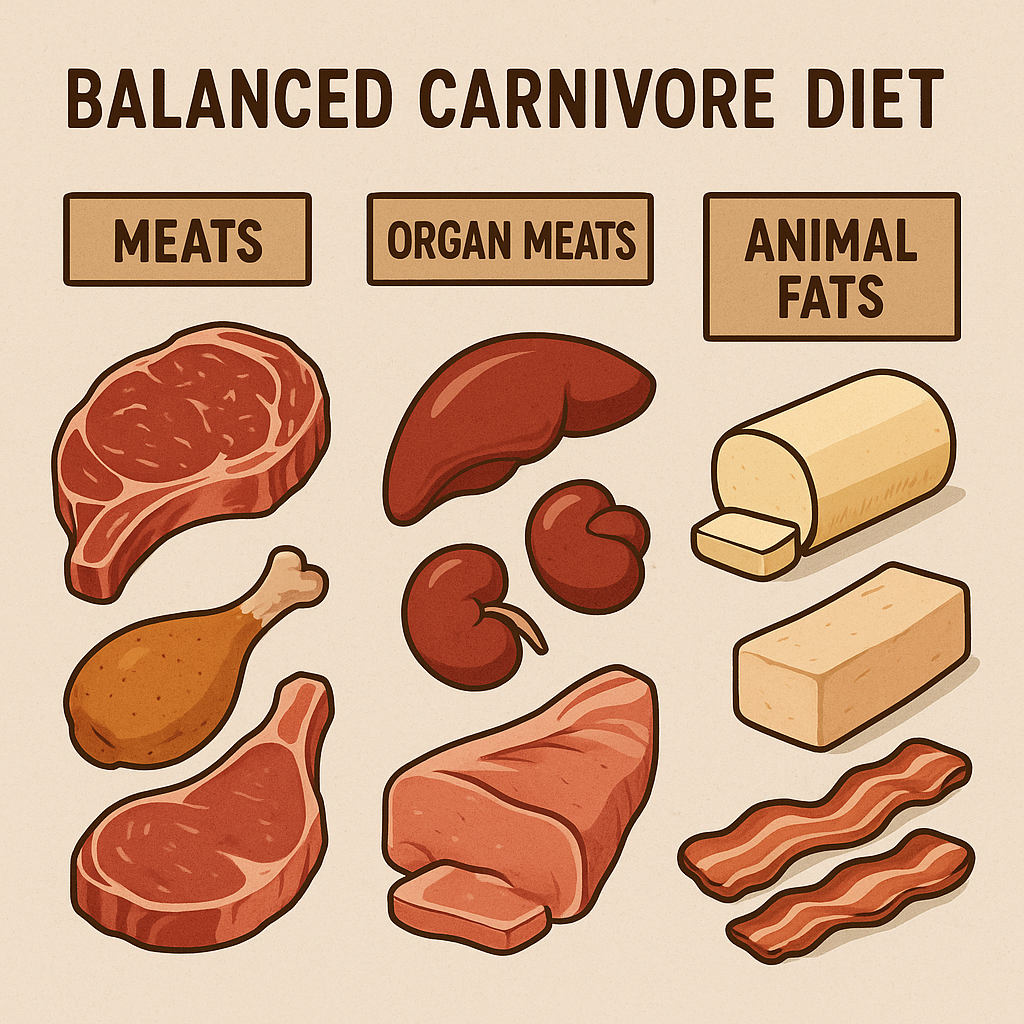
Saturated fats and dietary cholesterol’s relationship with heart disease requires a nuanced understanding, emphasizing the diversity of individual responses and the importance of food matrices in overall dietary patterns.
The Use and Limitations of Statins
Statins, widely prescribed for lowering cholesterol levels to manage heart disease risk, function by inhibiting the liver enzyme HMG-CoA reductase, crucial for cholesterol production. While statins have proven benefits in reducing heart attack and stroke risk in high-risk individuals with existing cardiovascular disease, their efficacy and necessity in low-risk individuals remain controversial.
Concerns over potential side effects of statins, including muscle pain, digestive problems, and increased blood sugar levels, necessitate a personalized approach to prescription, considering individual risk benefit analyses. Notably, for those without prior cardiovascular issues, the risk-reduction benefit may be minimal, and alternatives should be carefully evaluated.

Understanding the role of statins beyond cholesterol management is essential to prevent unnecessary reliance and ensure their prescribed use supports true health improvements.
Plant Sterols: Cholesterol-Lowering Agents or Health Risks?
Plant sterols, naturally occurring substances in plants, have garnered attention for their cholesterol-lowering properties. They compete with cholesterol for absorption in the digestive tract, leading to modest reductions in LDL cholesterol levels. Despite their benefits, questions about their impact on broader health outcomes persist.
There is evidence to suggest that while plant sterols effectively reduce LDL cholesterol, they do not necessarily translate to lower heart disease risk. Moreover, some studies highlight potential risks, including exacerbating arterial stiffness and impacting cardiovascular health negatively when consumed in excess.
To leverage the benefits of plant sterols without adverse effects, their integration into diet should be balanced and considered within the context of overall nutrition needs rather than as standalone supplements.
Nutritional Considerations Beyond Vegan and Vegetarian Diets
Vegan and vegetarian diets offer a myriad of health benefits, from lower rates of heart disease to sustainable living. However, these diets also raise specific nutritional challenges, particularly regarding cholesterol and essential fatty acids, usually derived from animal sources.
Omega-3 fatty acids play a crucial role in cardiovascular health, and while plant-based sources like flaxseeds and walnuts provide alpha-linolenic acid (ALA), the conversion to EPA and DHA, more directly beneficial for heart health, is inefficient. Therefore, vegans and vegetarians need to consider fortified foods or supplements to meet their omega-3 requirements adequately.
Similarly, while the absence of dietary cholesterol in vegan diets might seem beneficial, the body’s endogenous production covers its needs, indicating that dietary cholesterol shortfalls might not pose a significant concern if other nutrient needs are met in the diet.
The Role of Fiber: Necessary or Not?
Dietary fiber, heralded for its potential health benefits, is often stressed in dietary recommendations. Fiber aids digestive health, regulates blood sugar levels, and can contribute to satiety. However, its necessity has been debated, especially for individuals experiencing digestive discomfort.
While some thrive on high-fiber diets, others may find that reducing fiber intake alleviates symptoms of bloating or gut distress. Those with sensitivities should approach fiber intake mindfully, opting for sources that are easier to digest and emphasizing the quality and type of fiber consumed rather than quantity alone.
Understanding individual digestive health is key to optimizing fiber’s role in diet and ensuring it supports rather than hinders overall health.
Crafting Nutrient-Focused Diet Recommendations
Navigating the myriad of dietary advice requires a return to basics: prioritizing real, nutrient-dense foods over ultra-processed alternatives. Emphasizing whole foods like red meat, oily fish, eggs, and full-fat dairy ensures a rich nutrient profile, providing essential nutrients that support heart health, hormonal balance, and overall wellbeing.
Reducing junk food and refined sugars further diminishes empty calorie consumption, promoting better metabolic health and aiding in weight management. A focus on variety—eating a rainbow of naturally nutrient-rich animal foods—can also protect against nutrient deficiencies and cultivate sustainable health practices.
Ultimately, informed dietary decisions arise from an understanding of nutritional science, consideration of individual health needs, and a thoughtful approach to food choices that support a balanced and fulfilling dietary lifestyle.