
The Ultimate Guide to Optimizing Child Nutrition: Overcoming Sugar Addiction and Embracing a Low-Carb, High-Protein Diet for Lifelong Health
Understanding the Carbohydrate-Sugar Connection
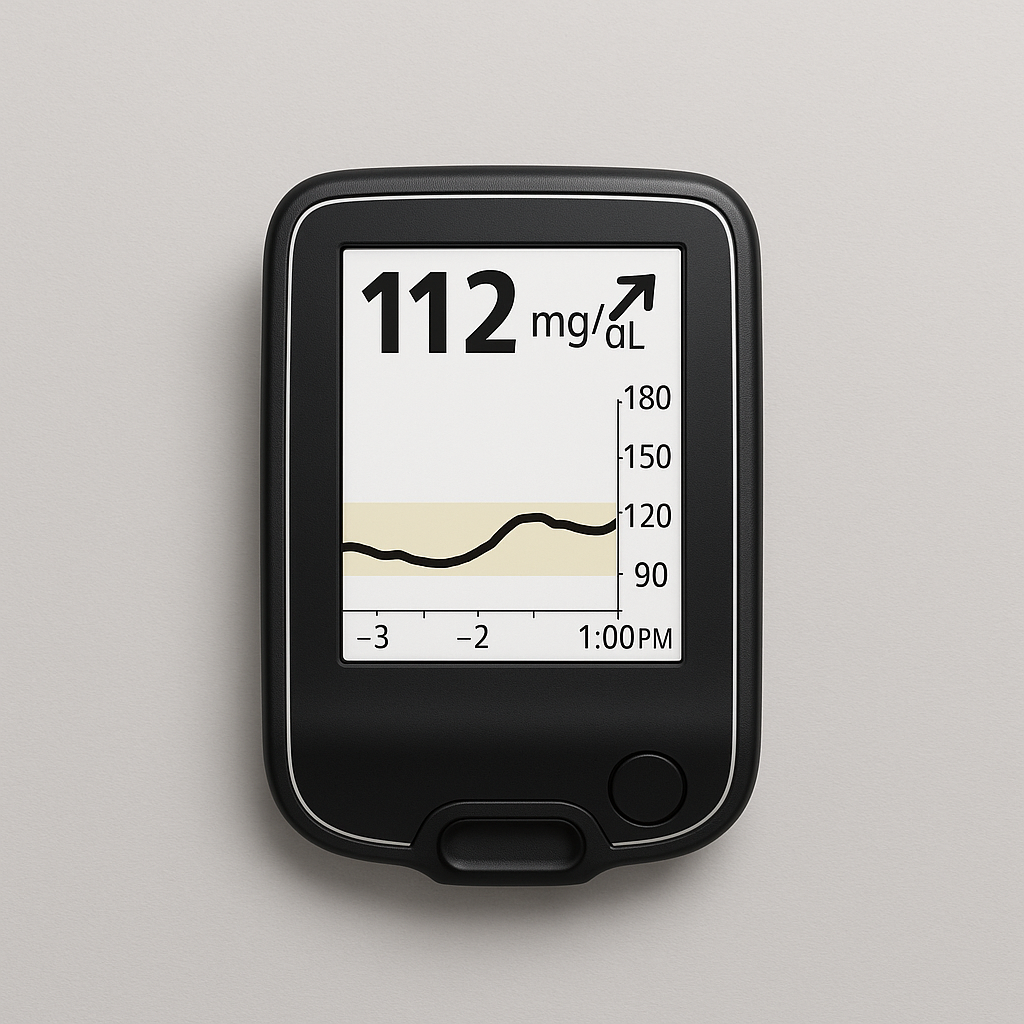
Carbohydrates, often seen as an innocent part of any meal, play a deceptive role in child nutrition. Any carbohydrate consumed, whether from bread, pasta, or sweets, eventually breaks down into sugar within the body, contributing to unanticipated health issues. This transformation elevates blood sugar levels, prompting an insulin response. Over time, excessive carbohydrate consumption can lead to insulin resistance, a precursor to metabolic disorders such as obesity and type 2 diabetes.
Children are particularly vulnerable to developing these conditions, given their predisposition to sugary treats and processed snacks. The addictive nature of sugar can lead to behavioral changes, mood swings, and even learning challenges. Parents may notice their children become more irritable or exhibit decreased attention spans following sugar-heavy meals, hinting at the influence sugar has on neurotransmitters.
The Impact of Vegetable Oils on Child Health
In contrast, the impact of vegetable and seed oils, rich in omega-6 fatty acids, is often understated in discussions of child diet. When consumed excessively, these oils can wreak havoc on insulin function, promoting fat storage and further contributing to insulin resistance.
Omega-6 fatty acids, while necessary in small amounts, can tip the balance toward inflammation if not balanced by enough omega-3 intake. The predominant use of these oils in processed foods means children are often exposed to them far beyond recommended levels, affecting their metabolic health and increasing the risk of developing chronic diseases at an early age.
Prioritizing Animal Proteins for Growth and Development
To counter these adverse effects, focusing on high-quality animal proteins is essential. These proteins supply all essential amino acids, vital not only for muscle growth but also for crucial processes such as brain development and neurotransmitter synthesis. Proteins from sources like lean meats, eggs, and fish provide a dense array of nutrients that bolster cognitive function and overall health.
Moreover, animal proteins are rich in vitamins like B12 and minerals such as zinc and iron, crucial for growth and preventing deficiencies that could stunt development or reduce energy levels in children.

The Hidden Dangers of Grains and Some Vegetables
A dietary shift towards understanding harmful compounds in grains and certain vegetables reveals another critical aspect of child nutrition. Lectins and phytic acid, prevalent in many grains, can interfere with nutrient absorption and compromise gut health. These anti-nutrients bind to essential minerals, preventing them from being absorbed effectively, which can lead to long-term deficiencies.
For children, this can mean weakened immune systems and increased susceptibility to conditions like autism and autoimmune diseases. Recent research suggests that dietary habits heavily influence mental health and cognitive development, linking specific food compounds to behavioral and developmental disorders.

Challenging Misconceptions: Cholesterol and Cardiovascular Health
The discourse surrounding cholesterol and cardiovascular disease continues to be riddled with misunderstandings, particularly in the context of child nutrition. Notably, natural fats and cholesterol from animal sources play an indispensable role in healthy growth. Contrary to outdated beliefs, recent studies reveal that cholesterol from animal products does not directly correlate with heart disease in children.
Cholesterol is vital for hormone production and cell membrane formation—functions imperative for the rapid growth phases children undergo. Positioning animal fats within the diet not only supports heart health but also ensures sustained energy levels and cognitive sharpness.
Navigating the Confusion: A Parent’s Guide to Dietary Advice
Parents often face the daunting task of filtering through conflicting dietary advice and aggressive marketing aimed at children’s products. Decoding nutritional labels and understanding hidden sugars in products labeled as healthy, like certain cereals and fruit-based items, is crucial in managing a child’s nutritional intake.
Replacing refined and processed foods with whole, real ingredients is a simple strategy to enhance a child’s diet. Emphasize meals where natural animal proteins are the focus and where sugar-laden snacks are minimized. Educating children on the benefits of foods found in nature over those engineered in factories can foster lifelong healthy eating habits.

Implementing a Practical Dietary Routine
The practical aspects of managing a child’s diet begin with the home environment. Removing junk foods and discouraging habits like snacking in front of screens are foundational steps. Breakfasts founded on eggs and other proteins set a nutritional tone for the day, while lunches packed with chicken, fish, or lean meats ensure sustained energy during school hours.
Harness natural cues like sunlight exposure to regulate appetite and improve mood—a bio-hack that can mitigate cravings. Exposing children to variations of healthy foods can peak their curiosity and lessen the allure of less nutritious alternatives.
Overcoming Environmental and Social Challenges
Despite efforts at home, the environment outside often poses challenges like exposure to vending machines or unhealthy school cafeteria options. Engaging with school boards or participating in lunchbox programs are avenues parents can explore to extend dietary goals beyond the home.
Social events and peer pressure can also impact dietary choices significantly. Teaching children self-awareness and providing them with tools to make informed decisions about food can help mitigate these challenges. Empowering them with knowledge allows children to serve as advocates for their health amid social settings.
Journeying Through Misleading Marketing
Navigating the maze of food marketing directed toward children requires vigilance. New parents must learn to look beyond colorful packaging and branding, searching for nutritional value rather than mere entertainment. The battle isn’t just against sugar and carbohydrates but against sophisticated advertising campaigns targeting young palates.
By fostering an environment where food is appreciated in its most natural form, parents can play a pivotal role in redefining health norms and setting a robust foundation for lifelong well-being. Each meal, then, becomes not just a time to eat but an opportunity for education in nutrition.