
The Carnivore Diet Revolution: Healing Chronic Inflammation, Debunking Cholesterol Myths, and Restoring Metabolic Health
The Power of a Meat-Centric Approach
The nutritional landscape is rife with debate, particularly when it comes to the role of animal products in our diets. Among the myriad options available, the carnivore diet stands out, not merely as a fashion trend but as a beacon of hope for those battling chronic inflammatory conditions. For individuals suffering from severe eczema, transitioning from a high-carbohydrate or plant-based diet to a carnivore-based approach often yields profound health improvements. This dietary strategy, rich in nutrient-dense animal fats and proteins, may hold the key to alleviating persistent ailments where conventional treatments have failed.
Beyond its powerful impact on inflammation-related disorders, the carnivore diet challenges widely-held nutritional dogmas, particularly surrounding cholesterol’s role in cardiovascular health. As conventional wisdom continues to evolve, it’s crucial to reassess the relationship between dietary fats and heart disease, dismantling myths to reveal the diet’s true potential in promoting health.
Cholesterol: Friend or Foe?
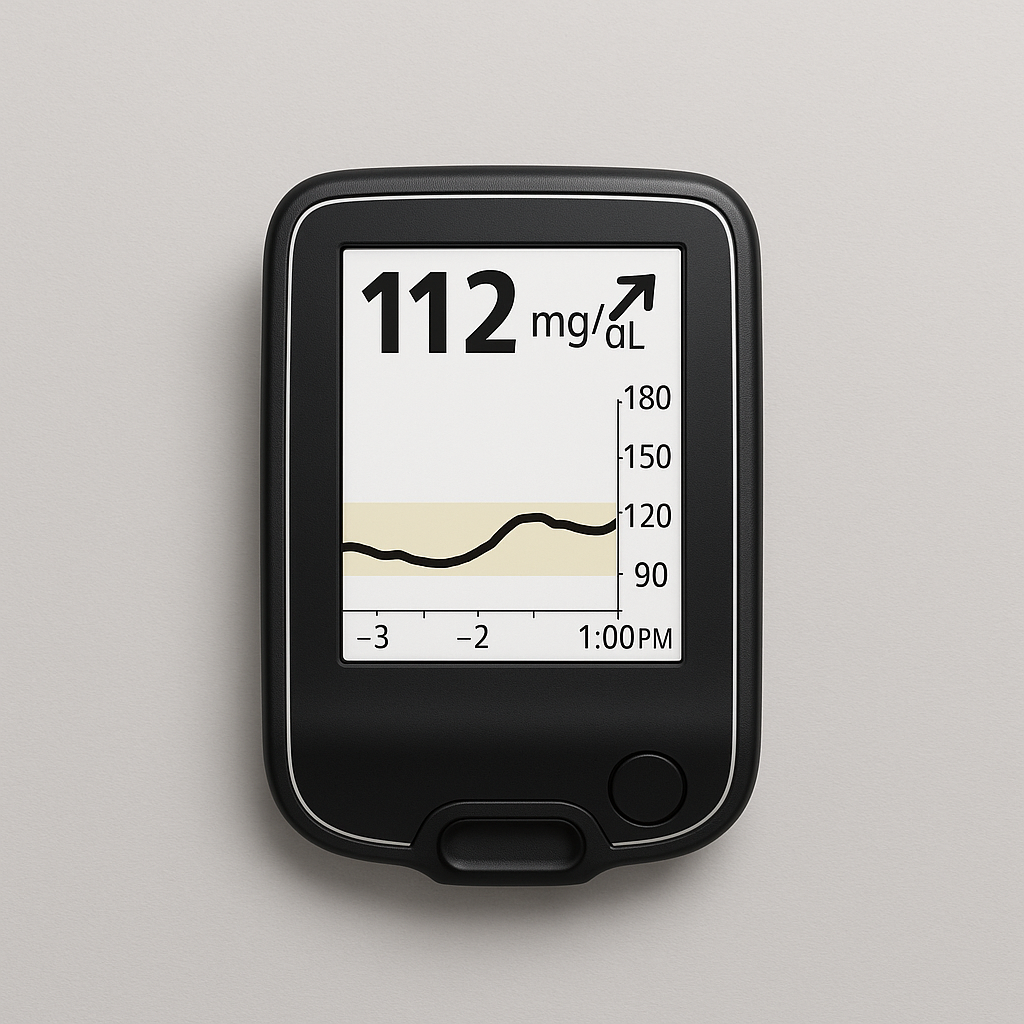
Few subjects are as misunderstood in the dietary world as cholesterol. Historically vilified, cholesterol’s reputation has undergone significant reassessment. Understanding its nuanced role in the body is pivotal for heart health, which is often misrepresented in mainstream narratives. Total cholesterol numbers alone fail to adequately predict cardiovascular risks. Instead, differentiating between HDL, LDL, and triglycerides offers a more comprehensive perspective.
HDL, commonly known as ‘good cholesterol,’ plays a crucial role in transporting cholesterol to the liver for excretion or recycling. Meanwhile, certain subtypes of LDL, often lumped together as ‘bad cholesterol,’ vary significantly in their impact on heart health. Small, dense LDL particles pose greater risks than their larger, fluffier counterparts, emphasizing the importance of nuanced lipid monitoring.
The Meat-Heart Connection
Contrary to popular belief, meat, particularly red meat, provides essential nutrients that support heart function and general well-being. The carnivore diet, rich in animal fats and proteins, contributes to increased levels of HDL cholesterol while reducing triglycerides, a pattern indicative of improved cardiovascular health. Recent research underscores the protective qualities of these nutrients, challenging the long-held assertion that plant-based diets are the optimal route for heart health.
The Traditional Indian Diet and Metabolic Diseases
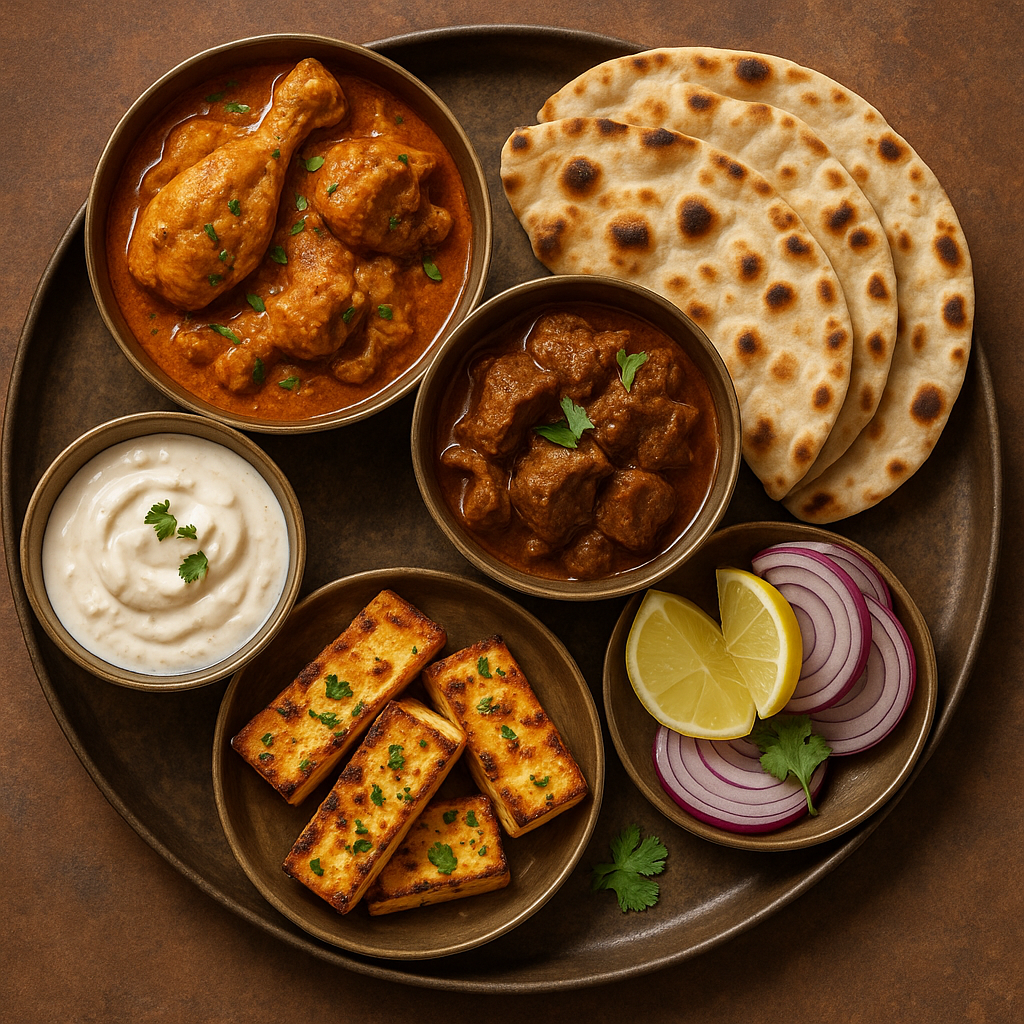
India, with its rich tapestry of cultural and culinary traditions, offers an enlightening case study in dietary evolution and metabolic disease prevalence. Historically characterized by diverse, nutrient-rich foods, the traditional Indian diet prioritized balance and inclusion of ghee, butter, and meats. However, the recent shift towards processed foods and high carbohydrates has paralleled a marked increase in metabolic disorders such as diabetes and obesity.
This transformation underscores the broader global implications of westernized dietary patterns, where an over-reliance on plant-based oils and sugary substitutes has compromised metabolic health. By revisiting and integrating elements of the ancestral Indian diet rooted in animal fats, individuals can reclaim metabolic resilience.
Essential Nutrients: Nature’s Blueprint for Health
The human body craves nutrients available exclusively or predominantly in animal products, which are pivotal for mental and physical wellness. Among these, Vitamin B12, found only in animal-derived foods, is indispensable for neurological health and energy production. Additionally, heme iron from red meats boasts higher bioavailability, critical in preventing anemia.
Fatty acids, such as DHA and EPA primarily found in fish and meats, facilitate cognitive function and hormonal balance, often neglected in plant-based dietary regimes. Carnivore diets naturally supply these nutrients, bridging gaps often left by plant-centric eating habits, supporting fertility, mood stability, and physical vitality.
Debating Vitamin C: A Carnivore Insight
One frequent argument against meat-exclusive diets involves Vitamin C deficiency risk. However, deeper insights suggest that because carbohydrates raise the body’s need for Vitamin C, reducing carb intake as in a carnivore diet decreases this requirement. The synergy of nutrients obtained from a meat-heavy diet can fulfill essential vitamin needs, challenging preconceived adequacy assumptions.
Listening to Our Bodies
The art of interpreting hunger cues may seem intrinsic, yet societal norms often distort this physiological dialogue. In pursuing health, listening to innate hunger signals proves to be an empowering practice. On a carnivore diet, appetite naturally aligns with the body’s true caloric needs, fostering mindful consumption without the guilt associated with misguided nutritional paradigms.
Transitioning to a carnivore diet beckons a return to ancestral dietary wisdom, one that aligns with the body’s needs rather than external dietary trends. It advocates for a paradigm shift—a trust in our biological instincts over societal expectations.
Navigating Dietary Challenges with Confidence
Adopting a carnivore diet is not without hurdles, from family skepticism to social pressures. Despite these challenges, the transformative potential of a meat-centric lifestyle encourages perseverance. By focusing on nutrient-dense foods like red meats and traditional cooking fats such as ghee and butter, one can sidestep the pitfalls of modern processed diets.
For those confronting chronic inflammatory conditions, metabolic disorders, or misinformation about cholesterol, the carnivore approach offers actionable, health-centric benefits. With a commitment to embracing traditional and scientifically-backed dietary insights, it’s possible to overcome entrenched myths and invigorate long-term health and wellness.

In this journey toward better health, the carnivore diet stands as both a bridge and a beacon—uniting ancient dietary practices with contemporary nutritional wisdom.