
Optimizing Hypoglycemia Treatment in Emergency Medicine: Evidence-Based Protocols for Dextrose Administration and Patient Monitoring
Transforming Emergency Hypoglycemia Management
The treatment of hypoglycemia in emergency settings demands quick, accurate responses due to the condition’s potential to rapidly deteriorate patient health. However, the traditional high-dose dextrose protocols commonly used may not be optimal, raising concerns about patient safety and treatment efficacy. Recently, evidence from randomized controlled trials suggests a paradigm shift, leaning towards lower, more precise dextrose doses. But how do these emerging protocols measure up against conventional methods?
Imagine a scenario where healthcare providers can achieve effective hypoglycemia reversal without overloading patients with unnecessary sugar. This vision challenges the status quo, compelling medical practitioners to reconsider their approaches to hypoglycemia management critically.
Breakthroughs in Dextrose Administration
Historically, the administration of dextrose has been a straightforward process — large doses given to quickly boost blood sugar levels. However, this method may inadvertently cause a rebound hyperglycemia, adding to the patient’s burden, especially those managing diabetes. Recent evidence advocates for incremental 5-gram doses of dextrose, with concentrations adjusted to 10%, 25%, or even 50%, depending on the clinical scenario. Results show these smaller, controlled doses offer significant benefits.
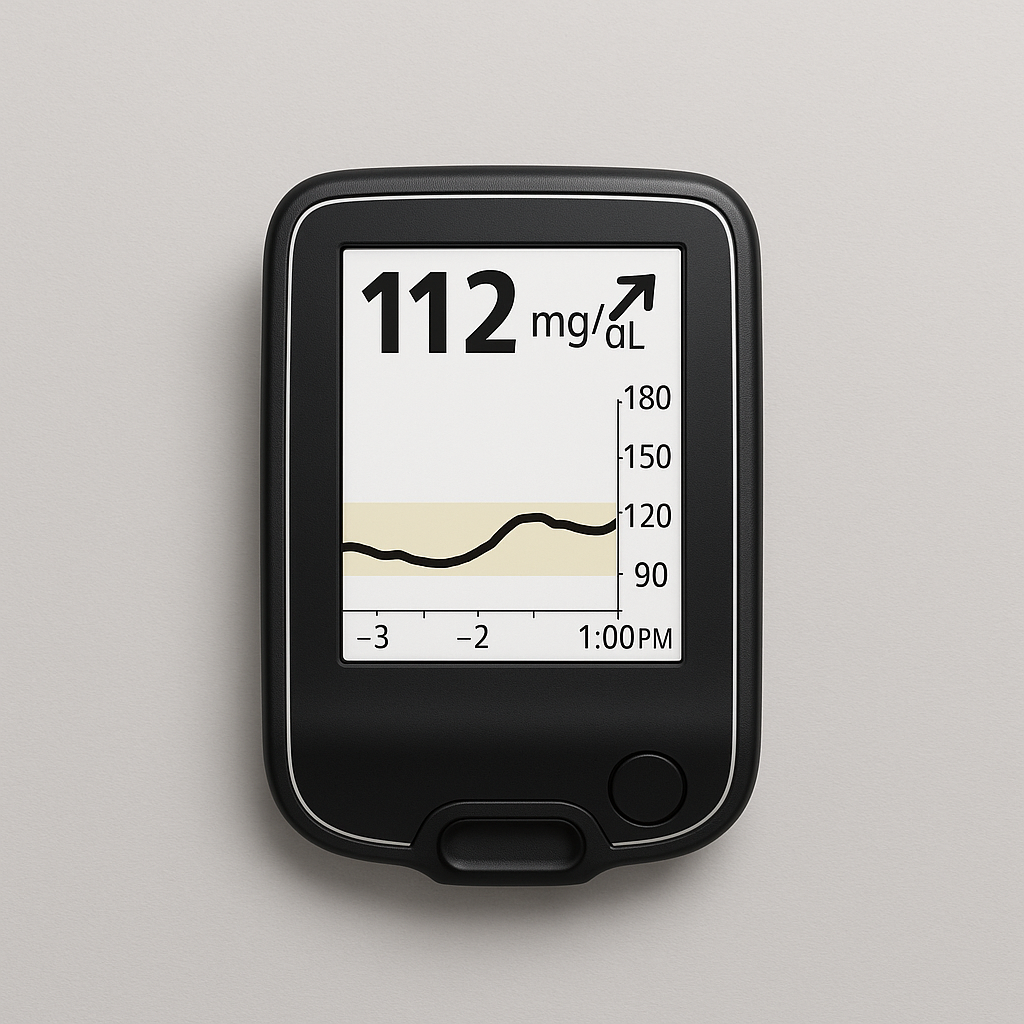
Research indicates that lower concentrations and doses can efficiently reverse hypoglycemia, limiting the risk of hyperglycemia. For instance, administering 10% dextrose allows healthcare providers greater control, enabling closer monitoring and reacting swiftly to the patient’s real-time physiological responses. Such incrementally given doses not only align with patients’ glycemic needs but also reduce potential complications associated with traditional protocols.
The Imperative of Frequent Patient Monitoring
Transitioning to incremental dextrose dosing requires rigorous patient assessment. Post-administration monitoring, including regular glucose level checks and Glasgow Coma Scale (GCS) evaluations, is critical. These assessments offer insights into the patient’s recovery, enabling tailored, patient-specific interventions. Continuous monitoring—conducted every minute—permits emergency teams to adjust treatments quickly, thereby optimizing therapeutic success and minimizing risks.
Such a meticulous approach ensures that any adjustment in concentration or dosing precisely meets the patient’s immediate requirements, preventing unnecessary sugar loading and ensuring a more stable recovery pathway.
Hypoglycemia Management Challenges in India
In India, diabetes management involves additional challenges. The prevalence of diabetes complicates emergency care, with dietary culture often exacerbating the problem. Typically, high-carbohydrate diets predominant in Indian cuisine increase the likelihood of severe hypoglycemic episodes, creating more frequent emergency visits. Furthermore, rapid urbanization and lifestyle transitions contribute to reduced physical activity and increased diabetes incidence.

Adapting hypoglycemia treatment within this context requires a deeper understanding of local dietary and lifestyle factors influencing blood glucose levels. Emergency physicians must consider these nuances while designing effective, evidence-based protocols tailored specifically for Indian patients.
Practical Recommendations for Protocol Revision
The significant insight gained from newer studies is clear: emergency medicine protocols need to shift from aggressive to fine-tuned interventions. Physician education and protocol revisions might lead to increased patient safety and improved outcomes. By administering 5-gram aliquots of either 10% or 25% dextrose, healthcare professionals can curtail unnecessary sugar load.
Following each administration, it’s advisable to wait a minute before reassessing, offering an opportunity to adjust doses based on real-time data. Constant evaluation of patient responsiveness enables more accurate dosing, reducing risks associated with overtreatment.

The Role of Paramedics and Medical Researchers
While physicians and emergency department staff play essential roles in revising protocols, paramedics often serve as the first line of response in hypoglycemic crises. Their adherence to new, evidence-based protocols can substantially impact patient outcomes. Additionally, medical researchers must continue investigating innovative approaches to hypoglycemia treatment, focusing on tailoring solutions according to demographic and regional healthcare challenges.

Encouraging ongoing research will provide robust data, influencing further revisions and advancements in treatment protocols, ultimately enhancing patient care standards across diverse healthcare settings.
Advancing Care in Hypoglycemia Management
Adapting emergency treatment for hypoglycemia represents a proactive reimagining of patient care. With clinicians adopting evidence-backed, incremental dosing strategies, the likelihood of overtreatment diminishes, safeguarding against sugar overload. Furthermore, focusing on personalized, patient-responsive care minimizes complications, fostering better health outcomes.
Current studies have laid a strong foundation; now, it is up to healthcare providers to put into practice these insights, tailoring them to fit specific cultural and physiological needs. Through collaborative effort, emergency medicine can evolve continually, armed with proven strategies to overcome hypoglycemia treatment challenges.