
Reversing Metabolic Disorders Through Carnivore and Low-Carb Diets: A Practical Guide for Indians
Rethinking Nutrition in India: Dispelling Common Misconceptions
Traditional dietary beliefs in India are deeply rooted in vegetarianism, often perceived as the healthiest choice due to its association with historical and cultural practices. Despite evidence to the contrary, there exists a strong conviction that high fiber intake is essential, even as it sometimes exacerbates conditions like IBS. Contrary to popular belief, fibers can be problematic for many individuals suffering from digestive disorders, often leading to increased inflammation and discomfort.
Another deeply ingrained belief is the association of meat diets with adverse health effects, which overlooks the potent health benefits these foods can contribute when consumed as part of a balanced, low-carb diet. By clinging to these nutritional conventions, many Indians miss out on the numerous health benefits provided by essential nutrients found primarily in animal products, such as complete proteins, heme iron, and fat-soluble vitamins.

Physiological Benefits of Carnivore and Low-Carb Diets
Carnivore and low-carb diets prioritize nutrient-dense animal products, minimizing carbohydrates that can spike insulin levels and perpetuate insulin resistance—a key factor in metabolic disorders. High-carbohydrate Indian diets often exacerbate conditions such as obesity, PCOS, and metabolic syndrome by promoting inflammation and imbalance.
The benefit of consuming animal-based diets lies in their ability to provide essential nutrients like heme iron and omega-3 fatty acids, which are vital for managing metabolic disorders. Heme iron from animal sources is critical for maintaining healthy iron levels and preventing anemia, while omega-3 fatty acids fight inflammation effectively.
The Shortcomings of Medical Education on Nutrition and Lifestyle
The current medical curriculum often neglects comprehensive coverage of nutrition and lifestyle modifications as vital components of patient care. This gap results in a reliance on pharmacological solutions rather than lifestyle interventions, which might offer more sustainable health benefits.
Healthcare professionals must be apprised of the potential of dietary adjustments, like low-carb and carnivore diets, to improve metabolic health and potentially reverse disease progression. These interventions emphasize the body’s natural metabolic processes and leverage food as medicine.
Comparing Indian Diets: South Indian vs. Others
Regional Indian diets vary significantly, often influencing the prevalence of metabolic disorders. South Indian cuisine, for instance, is largely comprised of rice-based dishes that contribute to higher carbohydrate consumption compared to other regions. This contrasts with North Indian diets where wheat and dairy often substitute rice-based carbs.
By analyzing these regional differences, it becomes evident that high-carb diets can contribute to obesity and related disorders. Awareness and adjustments towards a higher protein and fat consumption diet can be critical for those aiming to mitigate the effects of metabolic problems.
Implementing Low-Carb and Carnivore Diets: Practical Tips
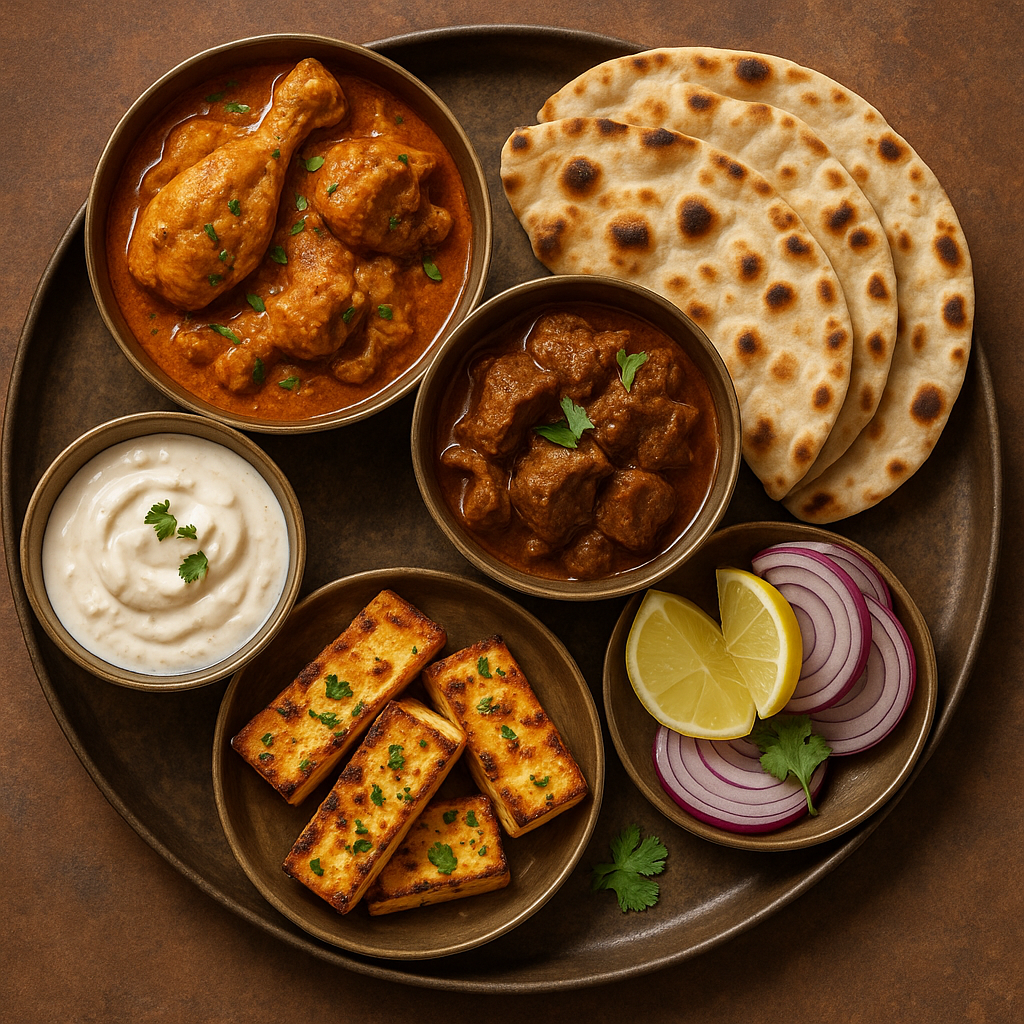
Transitioning to a low-carb or carnivore diet involves several steps, starting with a reduction in carbohydrate intake. This can be effectively achieved by substituting traditional rice and wheat staples with animal-based proteins such as meats and eggs. Incorporating good quality fats like ghee and butter provides energy without the insulin spikes associated with carbs.
Meal planning is crucial, focusing on whole foods while avoiding processed foods that can derail dietary goals. Cooking traditional dishes with protein-rich meats and incorporating herbs and spices instead of carb-heavy side dishes can help maintain cultural preferences while aligning with your health targets.

Cultural and Social Challenges in Diet Modification
In a country where vegetarianism is often seen as the norm, adopting a carnivore or low-carb diet may attract social scrutiny. Overcoming such challenges requires education and advocacy for the health benefits of these diets as compared to traditional high-carb diets.
Interactions in social settings also necessitate tactful negotiation, such as bringing carnivore-friendly dishes to gatherings or politely declining carb-heavy offerings. Creating awareness among family and friends about the dietary changes and their health benefits can gradually shift perceptions.
Communities and support groups can offer encouragement and provide a platform for exchange of recipes, meal ideas, and success stories that inspire others in similar health journeys.
Empowering Patients and Healthcare Professionals
As awareness grows about the benefits of low-carb and carnivore diets, both patients and healthcare professionals stand to gain from deeper engagement with these dietary practices. For patients, an informed choice about diet can significantly impact their metabolic health, shifting the focus from acute care to preventive health measures.
Healthcare professionals should incorporate nutrition studies into their practice, advocating diet-based interventions alongside traditional medical treatments for holistic patient management. This approach not only empowers patients but helps manage healthcare costs by reducing dependency on medications and procedures that treat only symptoms rather than root causes.

For both parties, staying updated with the latest research and sharing those insights creates an environment where health is managed proactively. Nutrition-focused care offers a promising path to alleviating and potentially reversing metabolic disorders, paving the way for healthier, happier lives.