
Decoding Indian Foods with Continuous Glucose Monitoring: A Self-Experimentation Guide to an Animal-Based Low Carb Diet for Optimal Health
Unlocking the Secrets of Indian Foods and Glucose Levels
In a world where nutrition and health are intertwined but often misunderstood, discovering the impact of our food choices on blood glucose levels is crucial. For those entangled in the rich tapestry of Indian cuisine, this quest becomes even more intriguing. Continuous Glucose Monitoring (CGM) presents a revolutionary way to decode these mysteries, providing real-time insights into how specific foods affect our body.
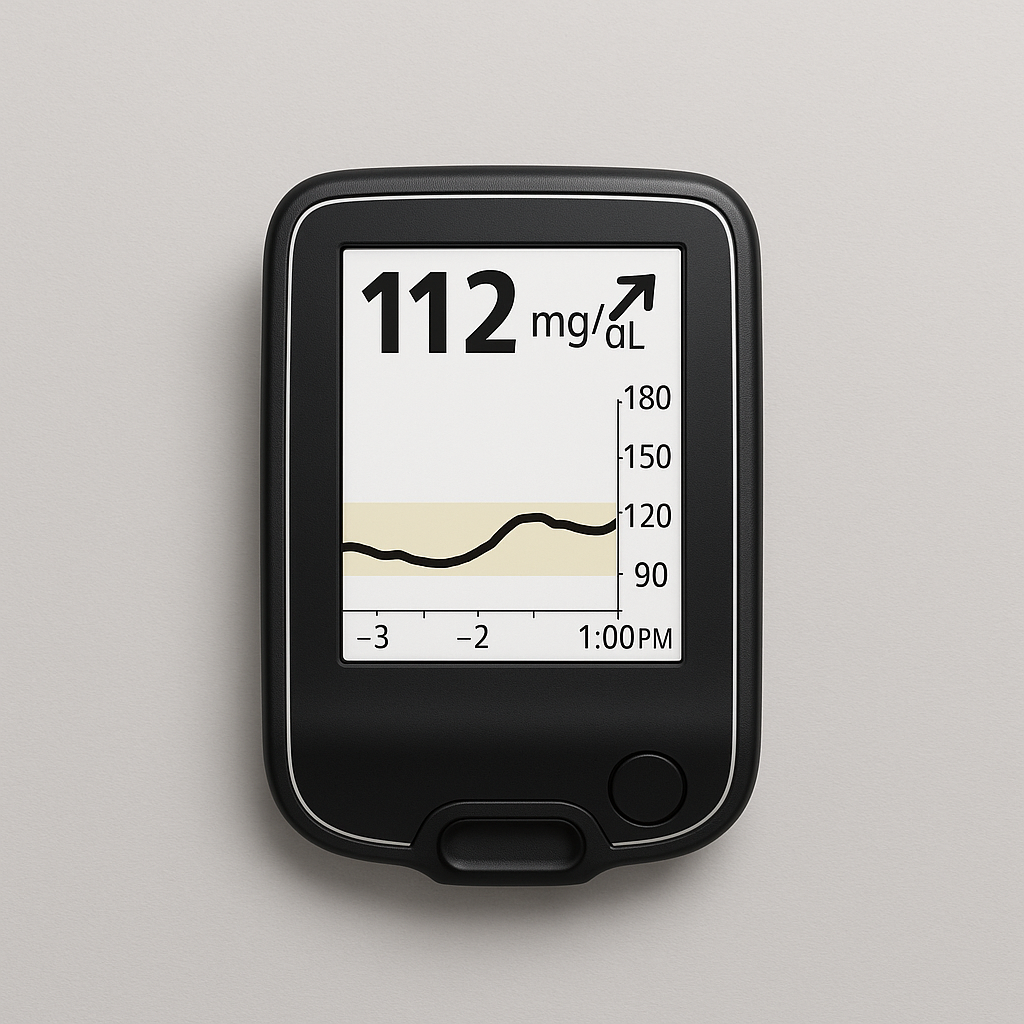
But how does one unlock these secrets effectively? The answer lies in self-experimentation—combining technology, dietary wisdom, and personal insights to navigate the complex relationship between Indian foods and glucose levels. Through this guide, we will explore how you can harness CGM technology and a strategic animal-based low carb diet to optimize health and embark on a transformative journey of self-discovery.
The Role of Continuous Glucose Monitoring in Dietary Insights
Imagine having the power to see how your body reacts to every morsel you consume. Continuous Glucose Monitoring devices offer this capability, acting as your personal health co-pilot by providing real-time data on blood glucose fluctuations. This constant feedback loop is invaluable for those trying to manage their glucose levels and understand the complexities of traditional Indian cuisine’s interaction with their metabolism.
With CGM, the once mysterious post-meal glucose spikes can be analyzed and understood. You can isolate specific foods that trigger high glucose responses and adjust your diet accordingly. This process of elimination and adaptation is the cornerstone of personalized nutrition and informed dietary decision-making.
Utilizing CGM for Self-Experimentation
Beginning your journey with CGM involves a few straightforward steps. Start by selecting a user-friendly CGM device, ensuring it aligns with your lifestyle and dietary focus. Once set up, embark on a self-experimentation journey, where you’ll track your glucose levels before and after meals to identify patterns.
Keep a detailed food diary alongside your glucose readings. Document every meal, snack, and beverage consumed, noting the timing and quantity. This meticulous record will uncover correlations between your dietary choices and glucose responses, empowering you to tailor your diet for optimal results.
Embracing an Animal-Based Low Carb Diet
For those seeking to stabilize glucose levels and enhance overall well-being, transitioning to an animal-based low carb diet can be a game-changer. Rooted in lean meats, fish, eggs, and dairy, this dietary approach is a departure from the carbohydrate-rich staples typically associated with Indian cuisine.
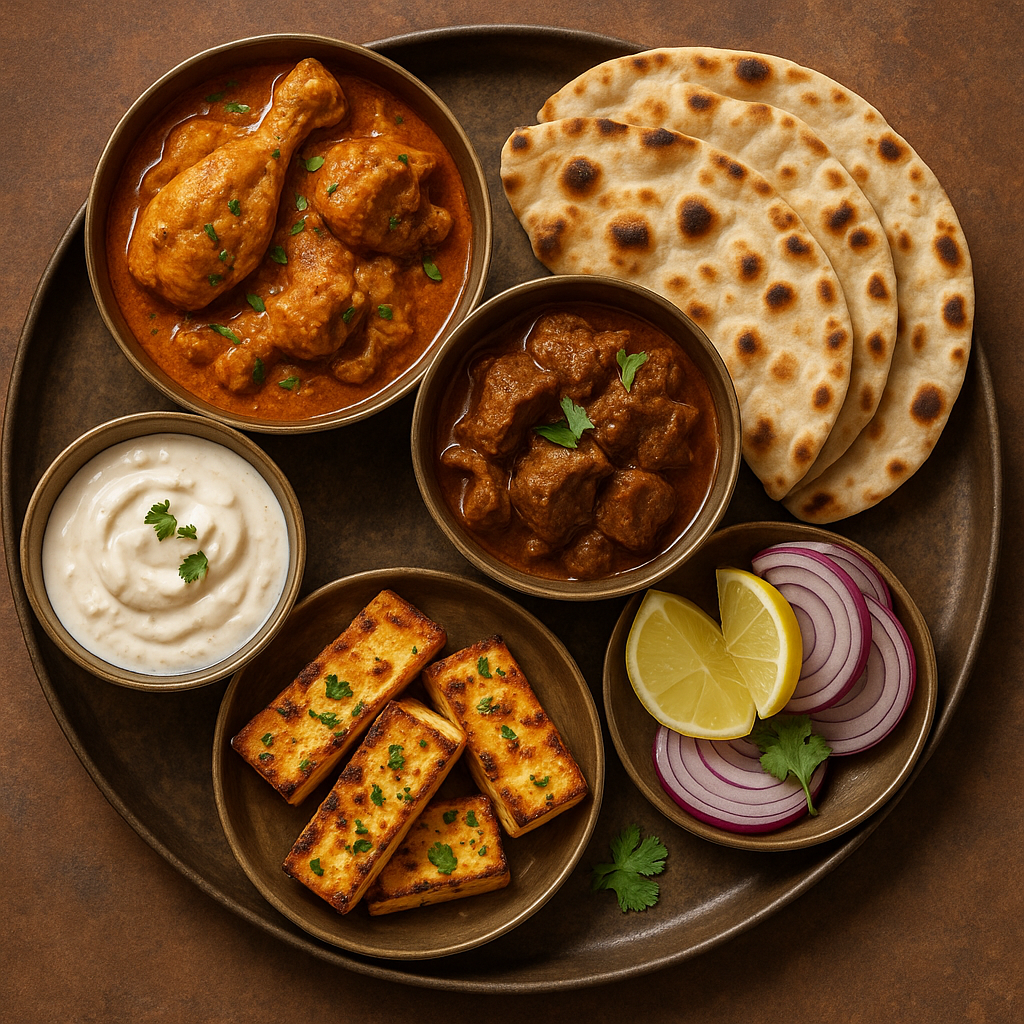
This shift focuses on essential nutrients while minimizing carbohydrates that often lead to glucose spikes. By prioritizing animal-based foods, you not only nourish your body with vital proteins and fats but also reduce the risk of metabolic disorders linked to high sugar and refined carb intake.
Balancing Tradition with Health Optimization
Adopting an animal-based low carb diet within the framework of traditional Indian cuisine requires creativity and commitment. Begin by reimagining classic dishes; replace carb-heavy components with protein-rich alternatives. For instance, substitute rice with hearty servings of chicken or fish, enriched with traditional spices to preserve the essence of Indian flavors.
Understandably, this adaptation might be challenging, but the benefits are worth the effort. By sustaining a diet that aligns with your body’s unique needs, you foster an environment where glucose levels stabilize, promoting long-term health.
Overcoming Challenges and Leveraging Technology
The transition towards a healthier lifestyle using CGM and an animal-based low carb diet isn’t devoid of challenges. Many struggle with adjusting deeply rooted dietary habits and misconceptions about the glycemic impact of Indian foods. Yet, approaching these challenges with entrepreneurial zeal can transform obstacles into opportunities.

Consider this journey as a startup: every discovery about your body’s reactions to food is a data point guiding your health strategy. Use technology to set clear, actionable goals—whether it’s reducing glucose variability or achieving optimal nutrition balance.
Sharing and Learning through Community Engagement
One of the most powerful strategies in self-experimentation lies in community engagement. Share insights from your experiences with others embarking on similar journeys. Participate in forums, social media groups, and community discussions focused on continuous glucose monitoring and dietary transformation.
Engaging with a community not only provides support and motivation but also offers diverse perspectives and strategies that can enhance your self-experimentation process. Learning from the experiences of others can lead to breakthrough insights and innovative dietary adaptations tailored to the nuances of Indian cuisine.
Taking Control of Your Health Journey
The marriage of traditional Indian eating habits with modern dietary strategies and real-time glucose monitoring underscores a new era in personalized health management. By embracing self-experimentation and technology, you’re equipped to make informed, impactful decisions about your diet and overall well-being.
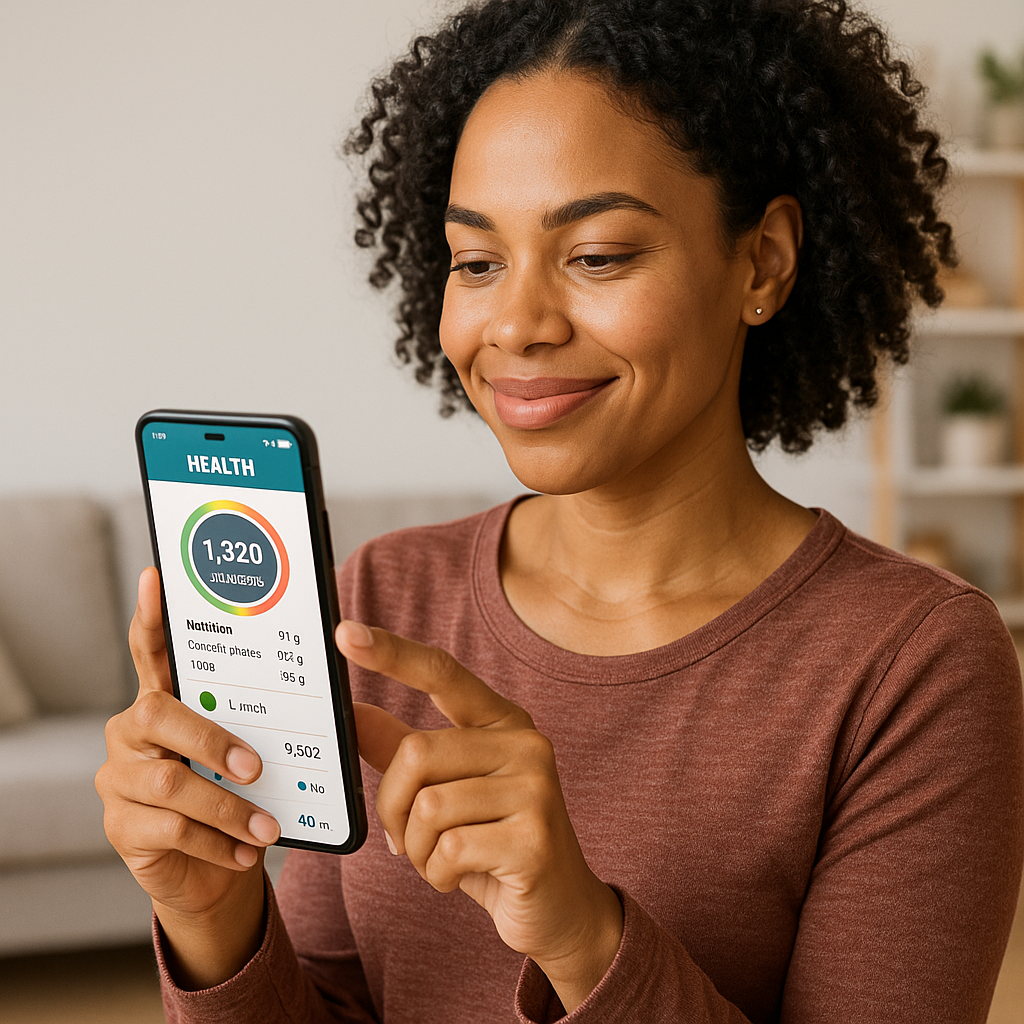
This journey, akin to piloting a startup, is about trial, adjustment, and optimization—fueled by the feedback loop between your body’s responses and the choices you make. In this way, you carve a path towards a healthier life, empowered by knowledge and guided by the insights gleaned from continuous glucose monitoring and an animal-based low carb diet.