Why Modern Dietary Guidelines Fail: How Individualized Approaches and Muscle Preservation Transform Metabolic Health
Rethinking Nutrition: The Shortcomings of Conventional Guidelines
The modern dietary guidelines have been the cornerstone of nutritional advice for decades, yet they often fail many individuals, particularly those struggling with diabetes and obesity. These guidelines largely emphasize high-carbohydrate, low-fat diets that may not suit everyone. As metabolic health crises escalate globally, it becomes imperative to explore why such conventional wisdom falls short and how alternative approaches might offer hope.
A significant issue is the blanket application of dietary advice. The one-size-fits-all model fails to account for individual variations in metabolism, activity levels, and genetic factors. While the Food Pyramid morphed into MyPlate, the core message remains similar: a heavy reliance on grains and an emphasis on fruits and vegetables, often without considering their glycemic impact on individuals predisposed to insulin resistance or metabolic syndrome.
Modern Myths: Debunking the Fruit and Vegetable Narrative
Fruits and vegetables have long been lauded as essential components of a healthy diet, yet this narrative deserves a deeper scrutiny, especially in the context of diabetes. While whole fruits and vegetables contain fibers and various nutrients, their fructose content can be problematic for insulin-resistant individuals. Modern agricultural practices have significantly altered the nutrient content of these foods, often optimizing for size and taste rather than nutrient density.
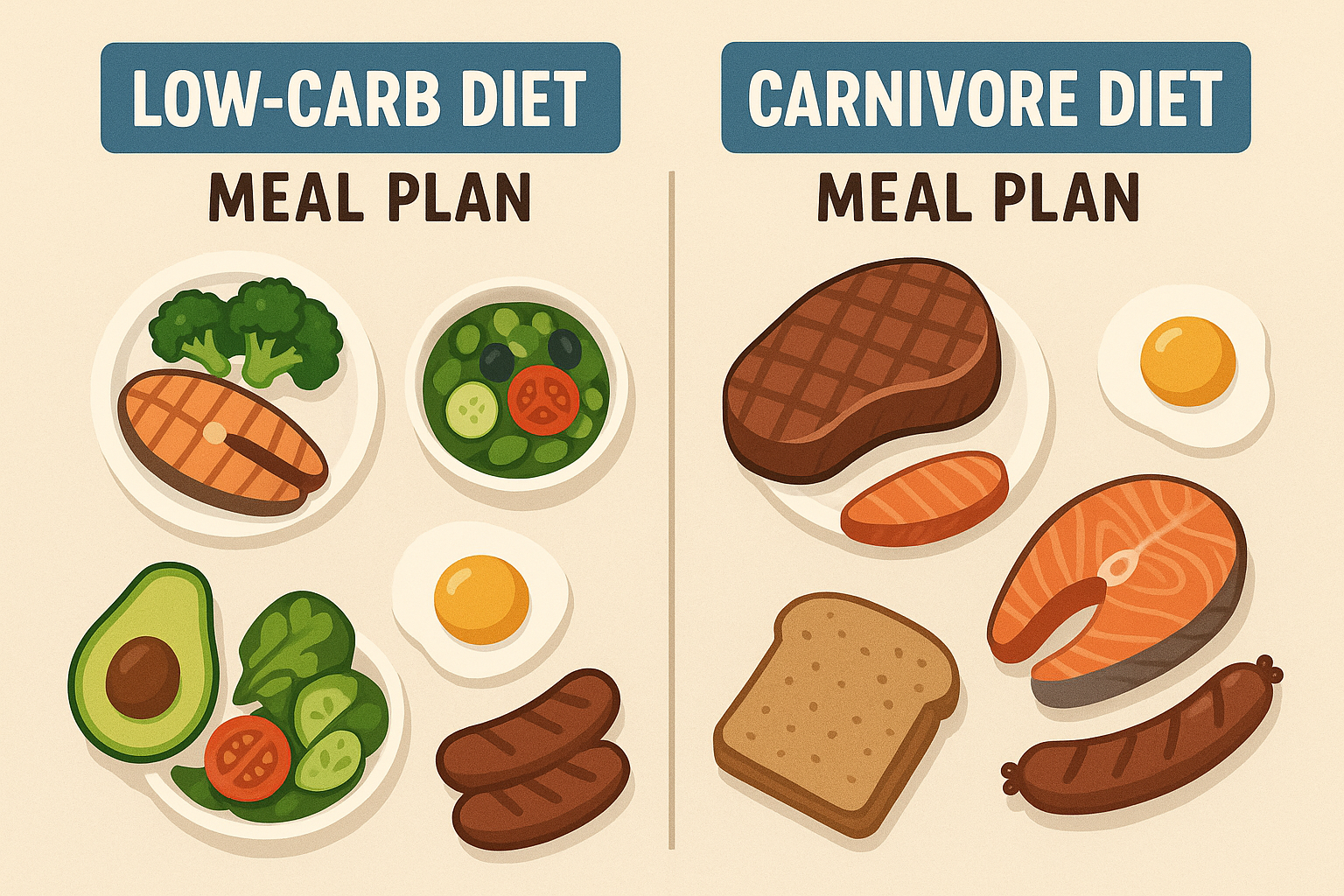
Moreover, the carbohydrate content in many fruits can lead to blood sugar spikes and subsequent insulin release. For those managing diabetes, such fluctuations can be detrimental. Therefore, low-carb and carnivore diets emerge as intriguing alternatives, emphasizing meat, fish, and animal-based fats that provide nutrients without triggering significant glucose responses.
Personalized Nutrition: A Pathway to Better Health Outcomes
Personalized dietary approaches have gained traction as more people recognize the limitations of generalized dietary guidelines. Low-carb diets, particularly ketogenic or carnivore diets, tailor macronutrient intake to stabilize blood glucose levels and improve insulin sensitivity. Such approaches often lead to noticeable improvements in individuals’ health markers, encouraging many to continue exploring these diets.
Attention to unique metabolic responses is crucial. Monitoring tools like continuous glucose monitors allow individuals to observe real-time effects of foods on their blood sugar. This data empowers a more tailored approach, aiding in the reduction of HbA1c levels without drastic lifestyle changes, which is pivotal for long-term diabetes management.
Gluconeogenesis and the Misunderstanding of Protein
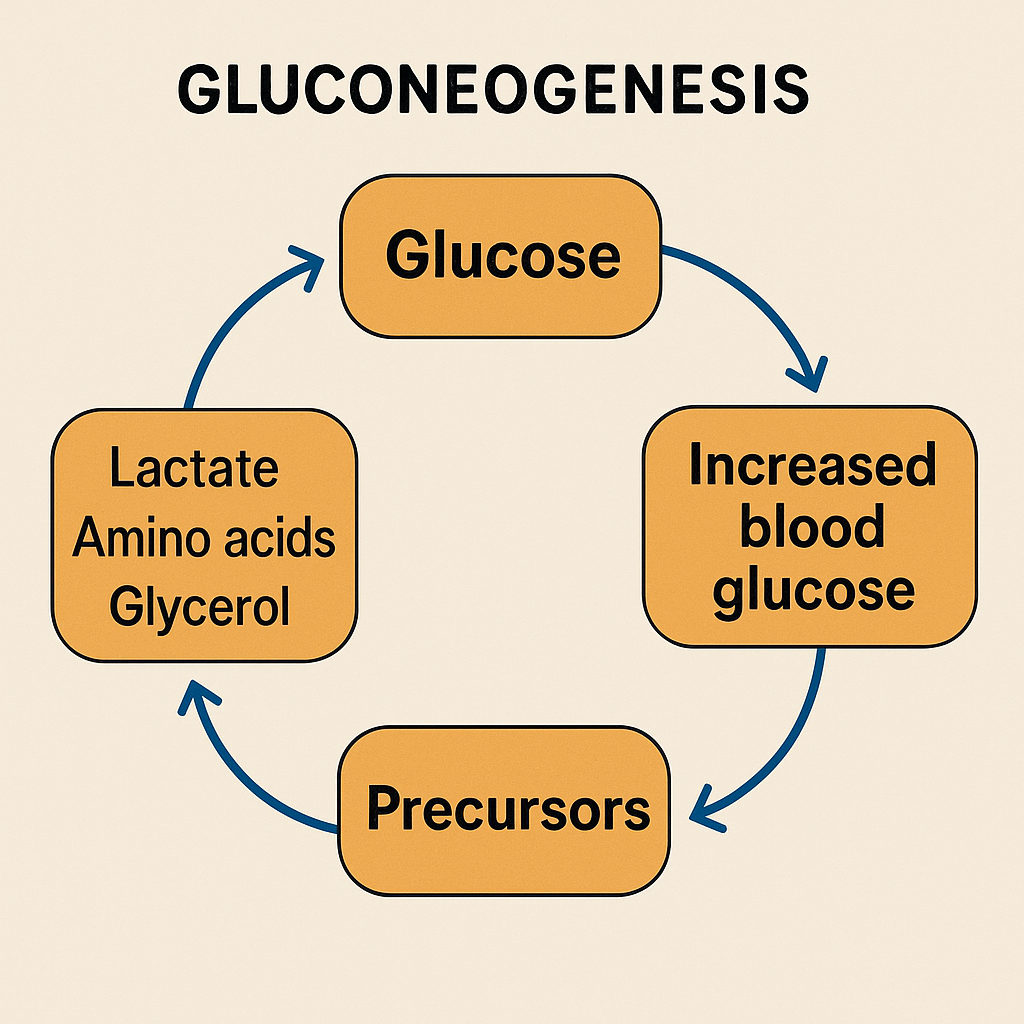
Concerns over protein intake often center around gluconeogenesis—the process by which protein is converted to glucose. However, this process is demand-driven rather than supply-driven, meaning the body will produce glucose from protein as needed, not because protein intake is high. This shift in perspective can ease fears about consuming adequate protein on low-carb diets.
Unpacking Ketosis and Ketoacidosis: Key Differences
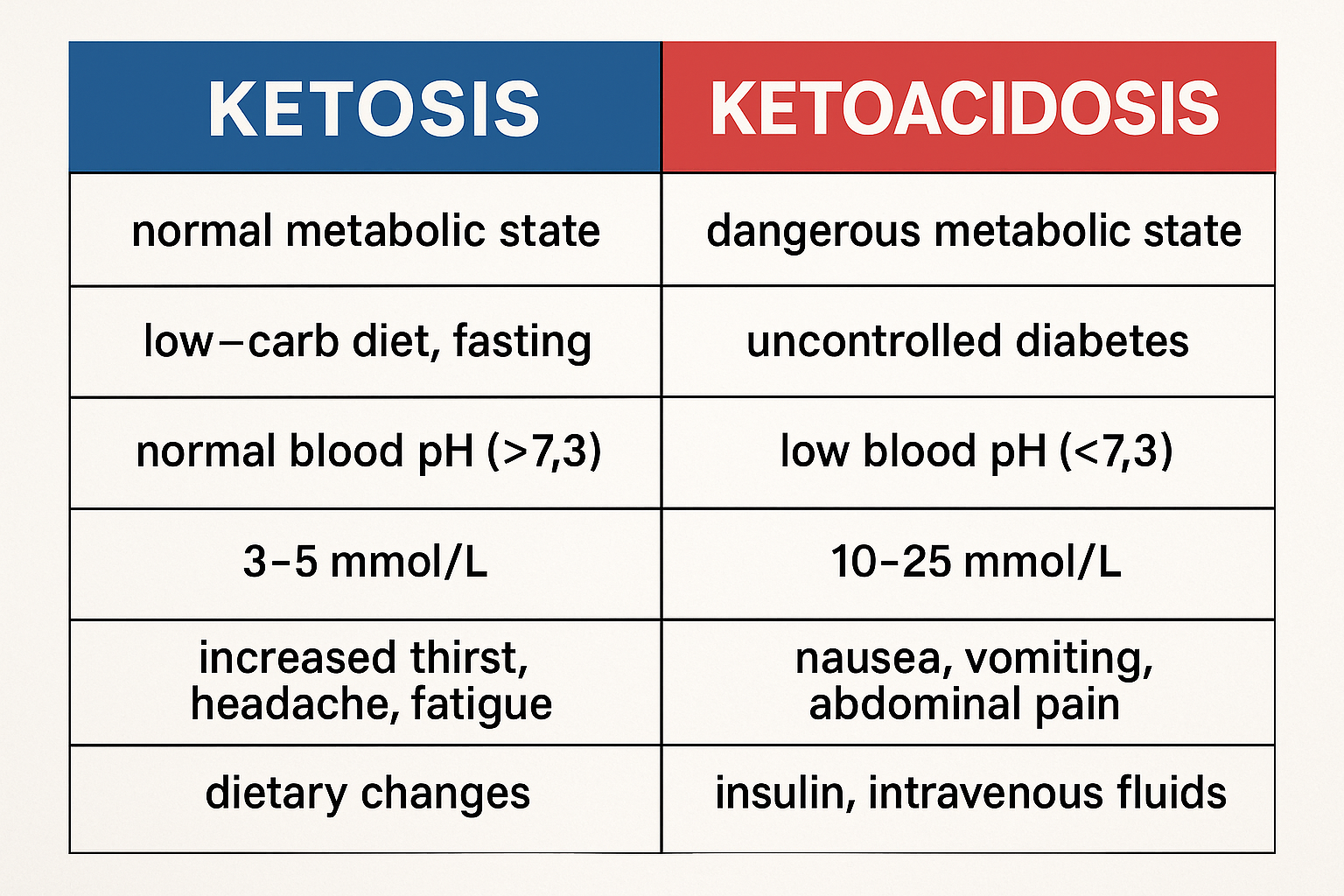
Ketosis and ketoacidosis are often conflated due to their similar-sounding nature, yet they represent vastly different physiological states. Ketosis is a natural metabolic state where the body burns fat as its primary fuel source, producing ketones in the process. This state is achieved through the reduction of carbohydrate intake and is associated with numerous health benefits.
Ketoacidosis, conversely, is a dangerous condition typically found in uncontrolled diabetes, where extremely high ketone levels lead to dangerously acidic blood pH. Understanding these differences helps alleviate fears that often accompany the consideration of low-carb or ketogenic diets.
Enhancing Metabolic Health Through Muscle Preservation
The role of muscle mass in metabolic health is often underestimated. Resistance training and muscle preservation form a critical component of metabolic health, particularly as we age. Maintaining or building muscle improves insulin sensitivity, aids in glucose utilization, and supports overall metabolic functions.
Incorporating regular resistance training into one’s routine is vital, especially for those pursuing low-carb or carnivore diets. Strength-training exercises not only prevent muscle atrophy but also improve body composition and support sustainable weight management.
Ultimately, the journey to improved health and metabolic well-being requires a departure from conventional advice. Engaging directly with personal health data, exploring alternative dietary patterns, and prioritizing muscle preservation can lead to transformative outcomes. For those willing to question traditional guidelines, the path to optimized health is rich with possibilities.