
Navigating Autoimmune Disease Relief: A Comprehensive Guide to Transitioning from Plant-Based to Carnivore Diets
Unlocking Health with a New Approach: Why Shift from Plant-Based to Carnivore?
For many grappling with autoimmune diseases, diet becomes not just a lifestyle choice but a potential pathway to relief. The promise of transitioning from plant-based to carnivore diets offers a compelling narrative of easing chronic inflammation, enhancing overall wellbeing, and unraveling years of digestive issues. But what is it about the carnivore diet that potentiates such transformative health benefits? Understanding this transition requires exploring both scientific evidence and personal testimonies from those who have turned away from kale and quinoa for a forkful of beef and butter.

The Downside of Anti-Nutrients: Why Plants Aren’t Always Our Friends
Anti-nutrients, substances in plants like oxalates, lectins, and phytates have increasingly been put under scrutiny for their potential role in exacerbating autoimmune disorders. These compounds, while protecting plants in the wild, may bind essential minerals in the human body, leading to deficiencies and increasing systemic inflammation. In certain individuals, especially those with compromised gut health and autoimmune conditions, this can mimic or trigger immune responses, exacerbating symptoms rather than alleviating them.
Imagine consuming a salad, the epitome of health in conventional wisdom, yet continuously suffering from digestive distress. The paradox of plant-based diets leading to increased incidents of bloating, gas, and even autoimmune flare-ups might stem from these anti-nutrients challenging our digestion and immune system. Shifting to a carnivore diet helps eliminate these compounds, allowing the digestive system to function without these invasive agents.
Stepping Into the Carnivore World: Transition Strategies for Success
Transitioning from a fiber-rich plant-based diet to an animal-based carnivore approach involves deliberate strategies to minimize discomfort and maximize health improvements. Gradual reduction of plant foods is integral, affording the body time to adapt in stages. Implementing a phased approach allows individuals to monitor changes in autoimmune symptoms, identifying when relief begins.
A keen focus on electrolytes and nutrient management is crucial. The sudden reduction of carbohydrates can initially cause ‘keto flu’, characterized by symptoms of fatigue, headaches, and muscle cramps. Maintaining adequate sodium, potassium, and magnesium intake is vital during the initial weeks. Consuming bone broth or supplementing with electrolytes can ease the transition and offset what is often temporary discomfort.
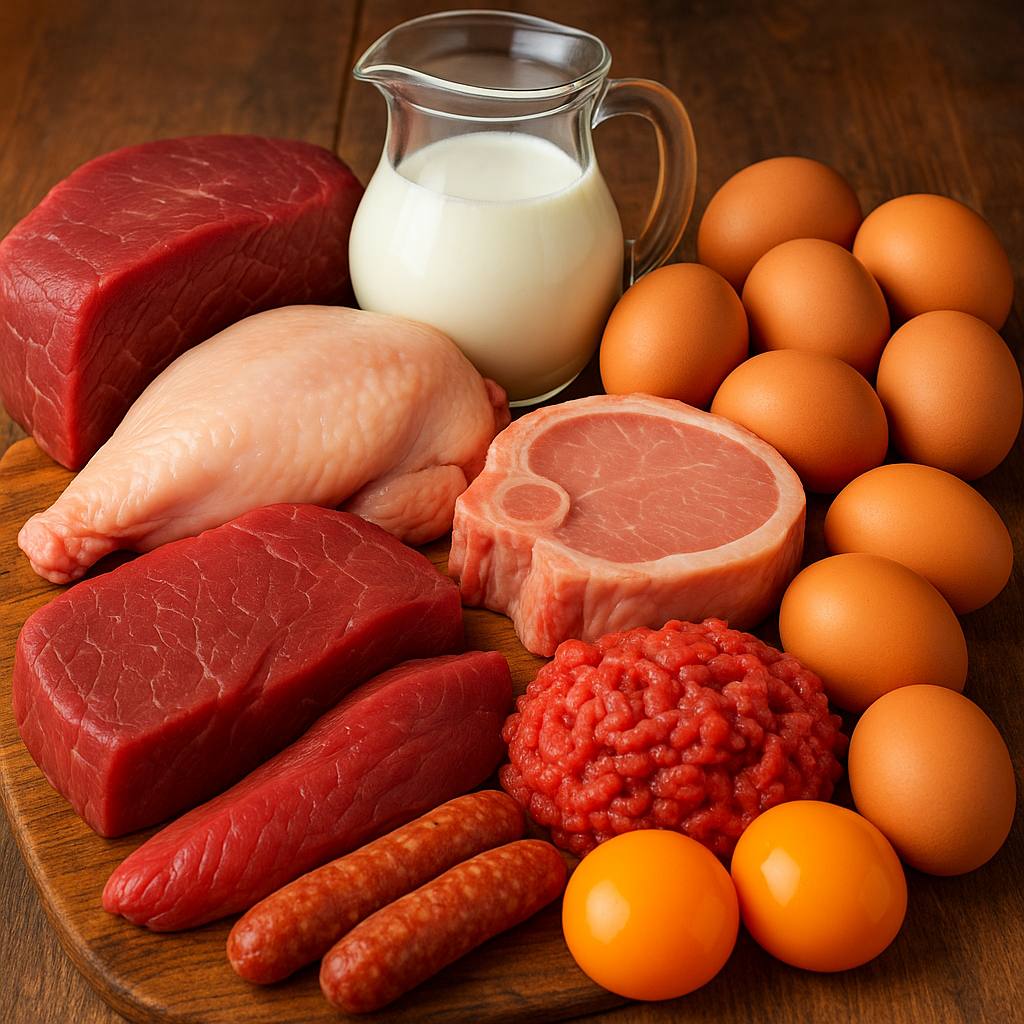
Embracing the Power of Nutrient-Dense Foods: Fatty Meats and Organs
Within the carnivore diet, not all meats are created equal. Fatty cuts from beef, lamb, and the occasional inclusion of organ meats like liver become paramount. These animal products deliver an unrivaled nutritional profile, rich in bioavailable vitamins B12, K2, and essential minerals such as heme iron and zinc. The robust nutrient density nourishes the body more efficiently than plant-based sources that require complex conversions within the body.
Moreover, common misconceptions such as the necessity of dietary fiber for gut health are debunked as many experience regular digestion without bloating on carnivore diets. Similarly, the narrative challenging Vitamin C deficiencies is countered by evidence suggesting that vitamin needs adjust appropriately in the absence of carbohydrates.
The Rigorous Route: Strict Carnivore Protocols Explained
Achieving optimal benefits often demands strict adherence to a pure carnivore diet, eschewing not only plant foods but sometimes eliminating pork, chicken, dairy, and eggs due to their potential to still contain problematic proteins or invulnerable influences like excess omega-6 fatty acids. A tailored approach may involve identifying and omitting specific foods that, despite being animal-based, might still provoke symptoms.
Furthermore, liver flushing and detox protocols are cautiously integrated as supportive mechanisms. While still controversial, these practices have anecdotal backing in alleviating skin and liver-related symptoms, providing yet another potential layer of symptom management for the autoimmune sufferer.

Facing Criticism and Challenges: Navigating Social and Practical Roadblocks
Embarking on a carnivore diet often requires navigating societal norms and misconceptions about what constitutes a healthy lifestyle. The portrayal of an all-meat diet as extreme can draw scrutiny, yet community support through online forums and local groups helps fortify resolve. In India, cultural and culinary customs compound these challenges, but adopting a strategy of preparation, bringing along travel-ready carnivore snacks, and selecting traditional dishes that align with carnivore principles can aid significantly.
Moreover, health-related concerns, such as managing kidney and thyroid health, warrant individual assessment. Increased meat consumption raises questions about kidney stones and requires balanced hydration. Thyroid function may benefit from adequate iodine intake particular to those with previously unaddressed deficiencies. Consultation with informed healthcare practitioners is recommended to address these nuanced considerations.
Spirituality, Ayurveda, and Meat: Interweaving Tradition with Nutrition
The narrative around spirituality and meat consumption intersects with ancient Ayurvedic perspectives where meat, particularly from conducive sources like lamb and cow, was traditionally seen as an essential nourishment for certain body types and health conditions. This historical insight aligns with the experiences of many modern dieters discovering spiritual alignment in dietary practices that they feel intuitively support their well-being.
The journey from plant-based to carnivore eating isn’t merely physical but intertwined with spiritual growth, fostering a deeper understanding of food as a remedy rather than solely sustenance. For those open to exploring this paradigm, such a transition embraces a harmonious connection to one’s body, health, and spiritual essence.

Ultimately, for those affected by the trials of autoimmune diseases, exploring a carnivore diet underpins a fascinating frontier in nutritional therapy. Through a blend of scientific inquiry, personal adaptation, and spiritual reflection, individuals can forge a path toward health that is not only achievable but transformative.