How the Carnivore Diet Can Transform Diabetes Management and Metabolic Health
The Rise of the Carnivore Diet in Diabetes Management
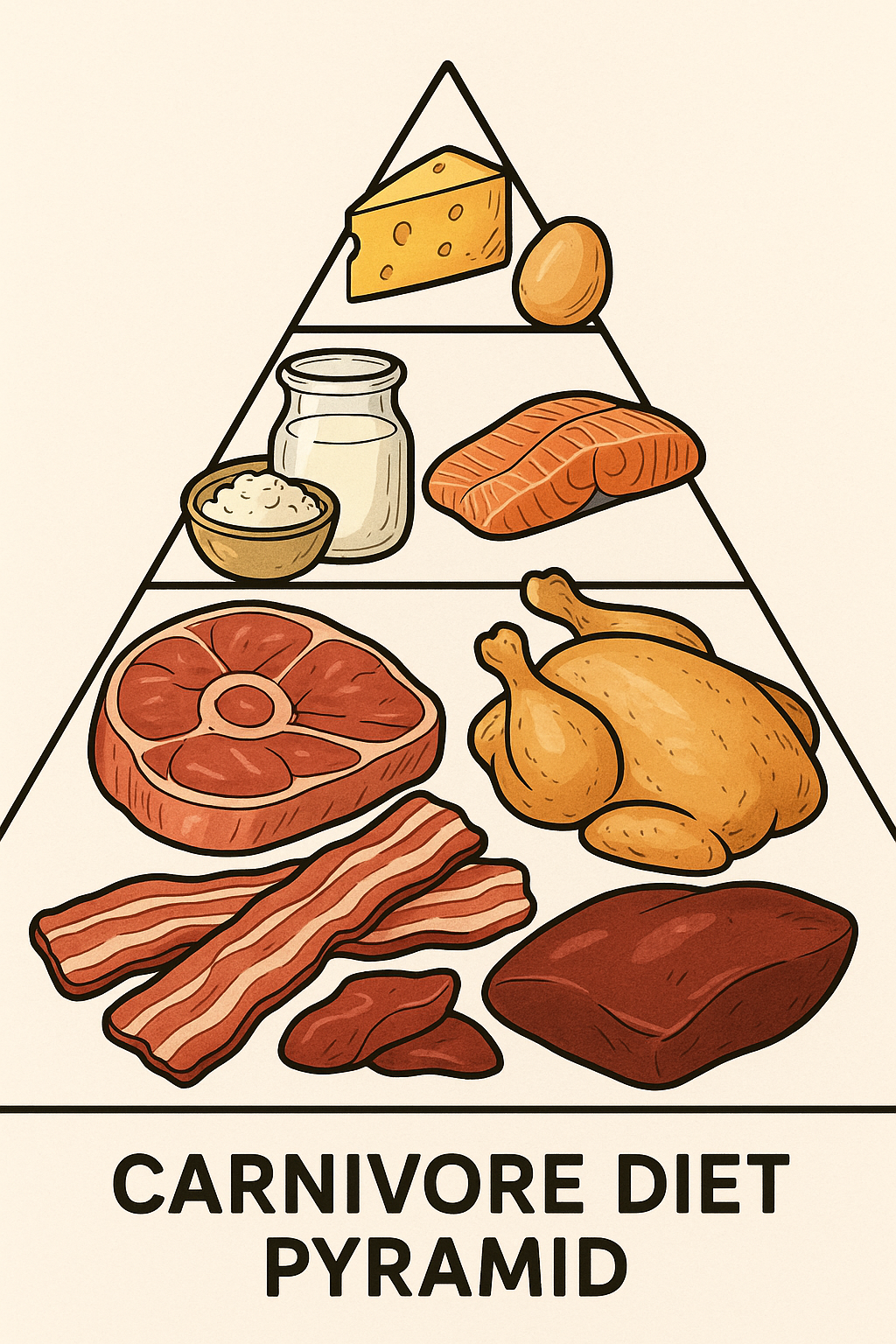
The nutritional landscape is experiencing a seismic shift, with a notable movement toward low-carb and zero-carb diets spotlighting the potential of animal-based nutrition. Among these, the carnivore diet is gaining traction as a potentially effective method to manage diabetes and boost metabolic health. Traditional dietary guidelines, heavily leaning on carbohydrate consumption, might not suit everyone, particularly those wrestling with metabolic disorders. As scientific and anecdotal evidence about this unconventional diet accumulates, many are reconsidering what a healthy diet truly entails.
The Limitations of Traditional Dietary Guidelines
For decades, the standard dietary recommendations advocated high carbohydrate intake, a variety of fruits and vegetables, and reduced fats. This model, however, has failed some individuals, especially those with diabetes or other metabolic disorders. Many find it challenging to manage blood sugar levels effectively when adhering to these guidelines. There is rising awareness that a one-size-fits-all approach does not account for individual metabolic variability and the unique effects that carbohydrates can have on our health.
Understanding Metabolic Health and the Carnivore Diet
Metabolic health encompasses several processes, including how our body handles essential functions such as blood glucose regulation and insulin sensitivity. In people with diabetes, these systems are often compromised. An animal-based, zero-carb diet like the carnivore diet may help address these dysfunctions through several mechanisms.
Blood Glucose Regulation and Insulin Sensitivity
By eliminating carbohydrates, the carnivore diet drastically reduces the immediate need for insulin, the hormone responsible for regulating blood glucose levels. This can lead to improved blood glucose stability and potentially increase insulin sensitivity over time. Unlike standard diets that can cause frequent blood sugar spikes and crashes, the carnivore diet promotes consistent levels, reducing the risk of complications associated with diabetes.
Impact on Inflammation and Overall Health
Chronic inflammation is a significant contributor to metabolic disorders and diabetes. The carnivore diet’s high intake of omega-3-rich foods, like fatty fish, can lower inflammatory markers. Furthermore, eliminating potentially inflammatory carbohydrates reduces the body’s overall inflammatory load, possibly improving metabolic conditions.
Safely Transitioning to a Carnivore Diet
Transitioning to a carnivore diet involves significant dietary changes and should be approached with careful planning to ensure safety and effectiveness. By considering actionable steps, individuals can make this transition smoother and more sustainable.
Steps to Begin the Carnivore Journey
Start by gradually reducing carbohydrates while increasing the intake of animal-based foods rich in fats and proteins. It’s crucial to keep hydrated and maintain electrolyte balance, particularly focusing on sodium, potassium, and magnesium levels. Consulting with a healthcare provider can also provide personalized guidance based on your current metabolic health.
Monitoring health indicators such as blood glucose levels and insulin sensitivity is essential when adopting this diet. Tools like continuous glucose monitors can offer insights into how your body responds to the absence of carbohydrates, informing any necessary dietary adjustments.

Overcoming Challenges and Misconceptions
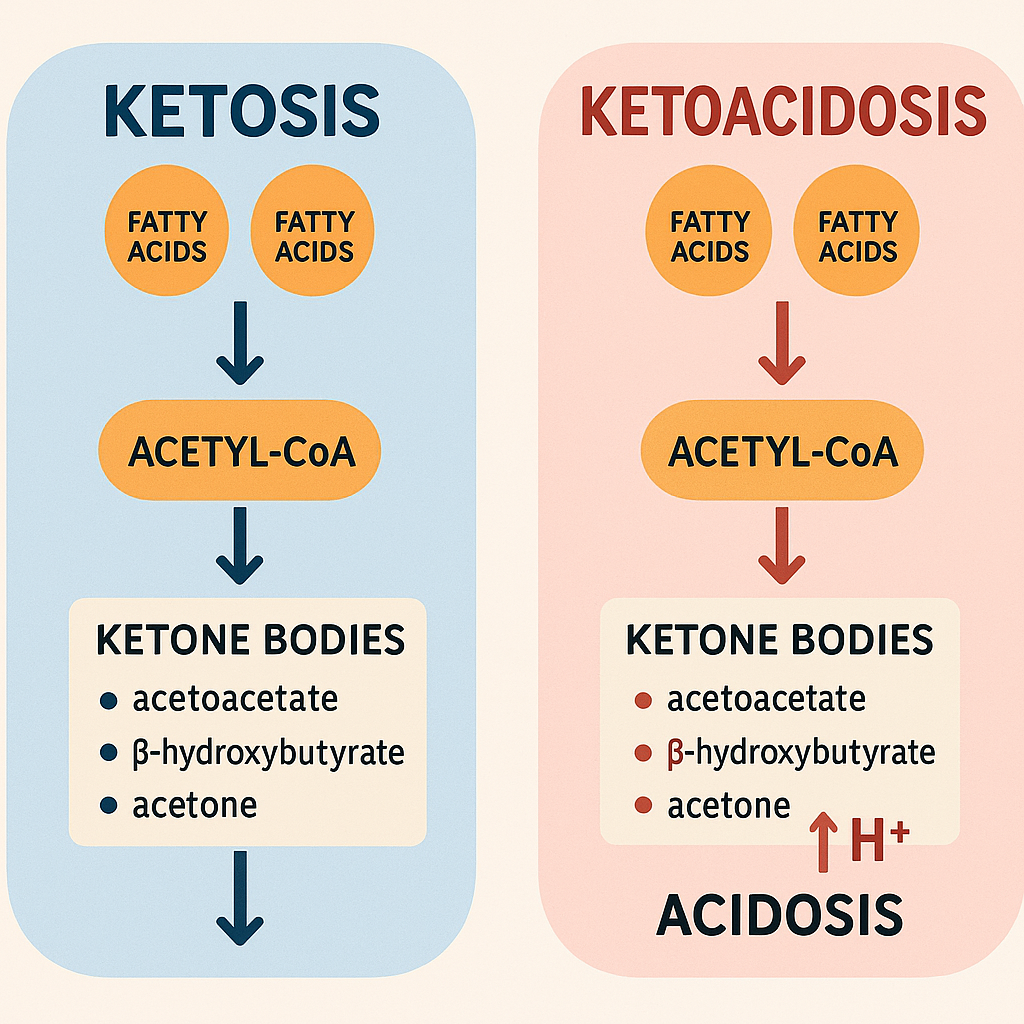
As with any diet that deviates from the norm, the carnivore diet attracts a fair share of misconceptions and fears. Understanding the nuances of ketosis versus ketoacidosis is crucial to alleviate anxiety surrounding these terms.
The Ketosis vs. Ketoacidosis Confusion
Ketosis, a metabolic state achieved through low-carb diets like the carnivore diet, is natural and safe, characterized by elevated ketone bodies used for energy. Ketoacidosis, on the other hand, is a dangerous state typically seen in uncontrolled diabetes, where ketone levels become dangerously high. Distinguishing between these states is critical for those considering a shift to the carnivore diet.
By redefining traditional perspectives on diet and metabolic health, individuals can uncover pathways to manage conditions like diabetes more effectively. This journey requires a keen understanding of personal health indicators and a willingness to challenge the long-held dietary dogmas.