
The Hidden Enemy: How Visceral Fat Drives Chronic Disease and the Science-Backed Strategies to Combat It
Exposing the Unseen Threat: Visceral versus Subcutaneous Fat
Beneath the layers of skin and muscle lies an ominous threat, often invisible to the naked eye: visceral fat. Unlike subcutaneous fat, which manifests itself visibly beneath the skin, visceral fat dwells deep within the abdominal cavity, winding its way around vital organs. This concealed presence makes it insidious, quietly fueling multiple chronic health conditions before revealing its impact through overt symptoms.
Understanding the differences between visceral and subcutaneous fat is crucial for those venturing into the realm of metabolic health. Whereas subcutaneous fat can sometimes be a benign reservoir of stored energy, visceral fat is biologically active and predisposed to releasing free fatty acids into the bloodstream. This can inflame tissues, interfere with hormone function, and pave the path to metabolic disruptions, including insulin resistance and inflammation-linked diseases.
Adding to the complexity is the phenomenon known as myosteatosis, or fat infiltrating muscle tissue, commonly referred to as muscle marbling. This condition not only diminishes muscle integrity but also contributes to a vicious cycle of sedentary behavior and further fat accumulation. Such complexities underscore the multifaceted challenges posed by visceral fat.
The Silent Catalyst for Chronic Diseases
Recent research highlights the dire connections between visceral fat and chronic diseases like diabetes, heart disease, and fatty liver disease. Visceral fat has a unique propensity to disrupt normal organ functions due to its proximity to essential organs like the liver and pancreas. This proximity facilitates the development of insulin resistance, a precursor to type 2 diabetes. Additionally, the inflammatory milieu created by visceral fat speeds up arterial plaque formation, markedly increasing the risk of cardiovascular diseases.
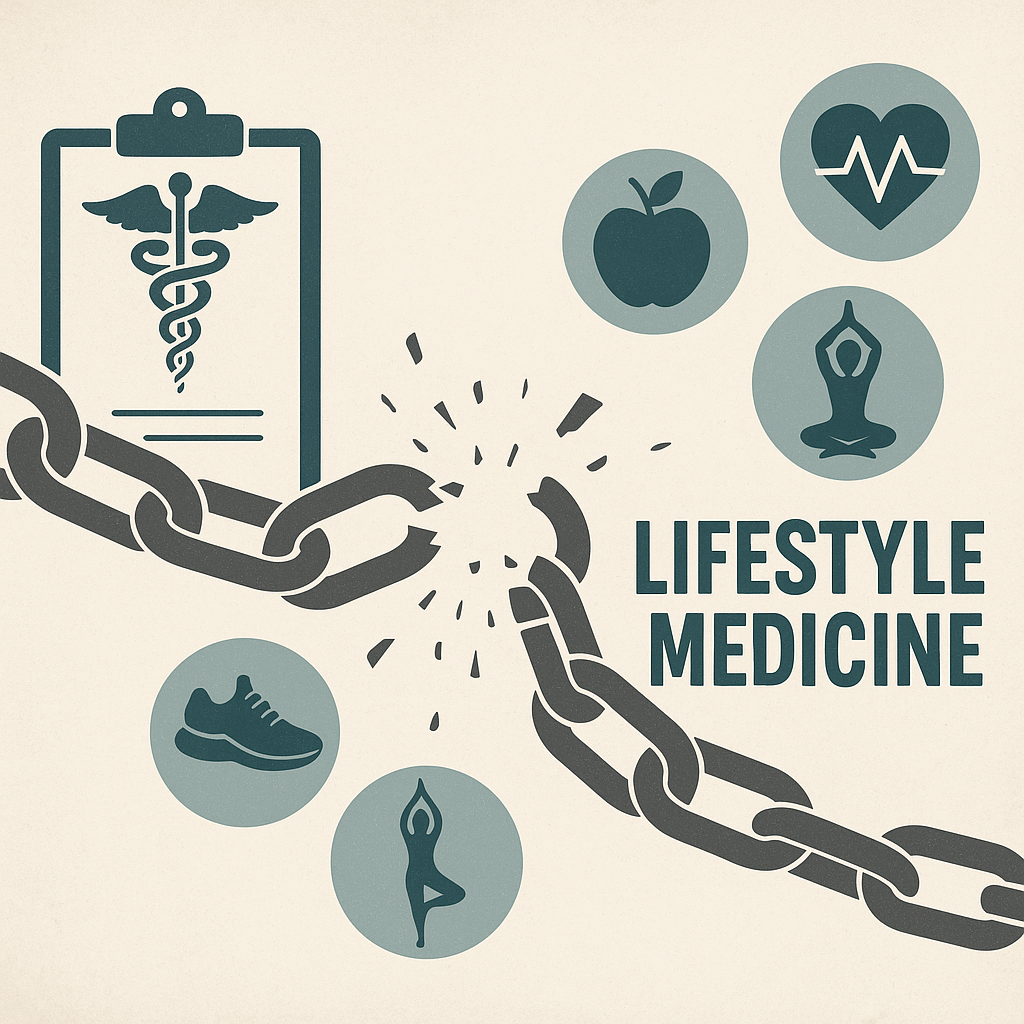
Unfortunately, the traditional medical curriculum often skims over these critical insights. Many healthcare professionals possess limited exposure to the nuances of fat storage and its metabolic implications. This gap contributes to widespread misconceptions about the nature of obesity and metabolic syndrome, leaving patients ill-equipped and uninformed about the real dangers that visceral fat poses.
The Neglect in Traditional Medical Education
Medical education has long prioritized overt disease manifestations over exploratory diagnostics that could unveil early red flags of chronic disease. This has resulted in a gap where visceral fat, despite its notorious impact on health, is often overlooked during routine evaluations. More advanced diagnostic tools, such as MRI or CT scans, offer revolutionary insights into fat distribution, presenting an opportunity for early intervention.
The introduction of these imaging techniques allows for precise observations of fat deposits, distinguishing between visceral and subcutaneous fat. Early detection identifies patients at risk and offers a tangible target for intervention, reinforcing the need for the inclusion of such technology in both diagnostics and preventive strategies.
Nutritional Strategies: Targeting Visceral Fat
Effectively addressing visceral fat requires more than calorie counting and conventional dieting. Targeted dietary changes, particularly the reduction of carbohydrate intake, have shown promise in reducing visceral fat. Carbohydrates, especially refined sugars and starches, fuel the storage of fat by elevating insulin levels, which directs excess glucose into fat storage mechanisms.
Besides curbing carbohydrate consumption, incorporating fermented foods into one’s diet fosters a conducive environment for a healthy microbiome. Fermented foods enhance gut flora, improving digestion and assisting in the more efficient breakdown of fats. A healthy microbiome is critical as it influences everything from appetite control to nutrient absorption and plays a role in systemic inflammation.
Embracing Dietary Complexity for Metabolic Health
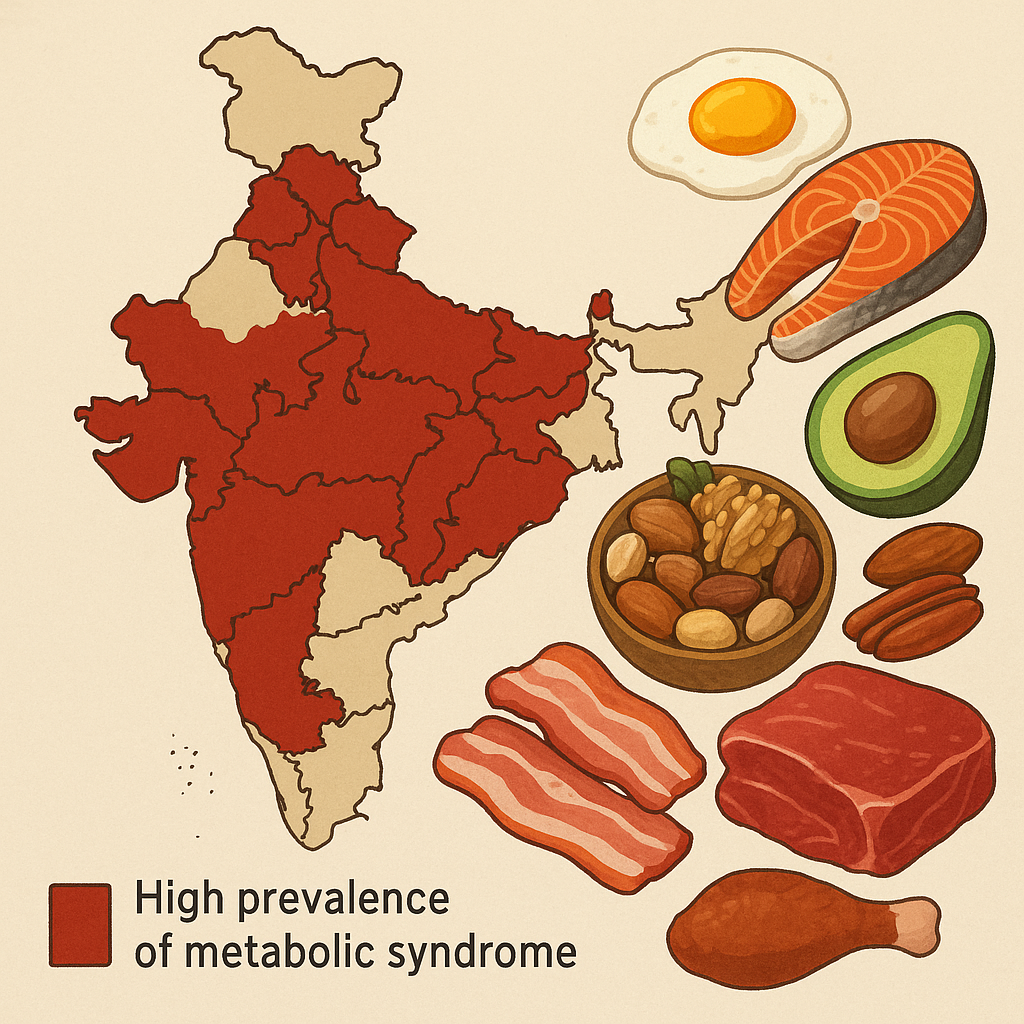
Moreover, dietary strategies focusing on higher intake of proteins and healthy fats can bolster metabolism and provide a steady energy supply, essential for maintaining muscle mass and providing satiety. Efforts to reduce carbohydrate dependency should also consider the potential benefits of diets enriched with prebiotics and fermented products, which cultivate beneficial bacteria linked to improved metabolic markers and reduced visceral fat.
Exercise: Sprinting Towards a Leaner Future
Physical activity, particularly high-intensity interval training (HIIT) and sprinting, rise above traditional low-intensity exercises regarding visceral fat reduction. These forms of exercise are linked with the release of myokines, signaling proteins that promote muscle building and improve glucose utilization, directly countering the ill effects of visceral fat.
Sprinting and HIIT enhance metabolism and maintain peak cardiovascular function, reducing visceral fat while bolstering muscle strength and endurance. Compared to prolonged jogging, these short, intense bursts of physical exertion utilize both aerobic and anaerobic pathways, accelerating fat oxidation and boosting hormone profiles pivotal for body composition.
The Myokine Effect: Building More Than Just Muscle
The myokines released during high-intensity exercises do more than aid muscle growth; they have anti-inflammatory properties and enhance the pathway reducing visceral fat. This not only contributes to a healthier muscle mass but also protects against metabolic syndromes, positioning HIIT as a preferred exercise modality for those seeking to minimize health risks associated with visceral fat.

The Protective Role of Subcutaneous Fat
In stark contrast to visceral fat, superficial subcutaneous fat harbors a protective role, mediated largely through the secretion of adiponectin. This hormone bolsters insulin sensitivity and has anti-inflammatory properties, underscoring its significance as part of a balanced metabolic health strategy.
Encouragingly, research suggests that fostering a more favorable subcutaneous to visceral fat ratio, through targeted exercises and dietary changes, could ameliorate insulin resistance and support cardiovascular health. This insight invites a reevaluation of current views on body fat, emphasizing the potential health benefits of subcutaneous deposits for metabolic equilibrium.
Towards a New Paradigm in Fat Management
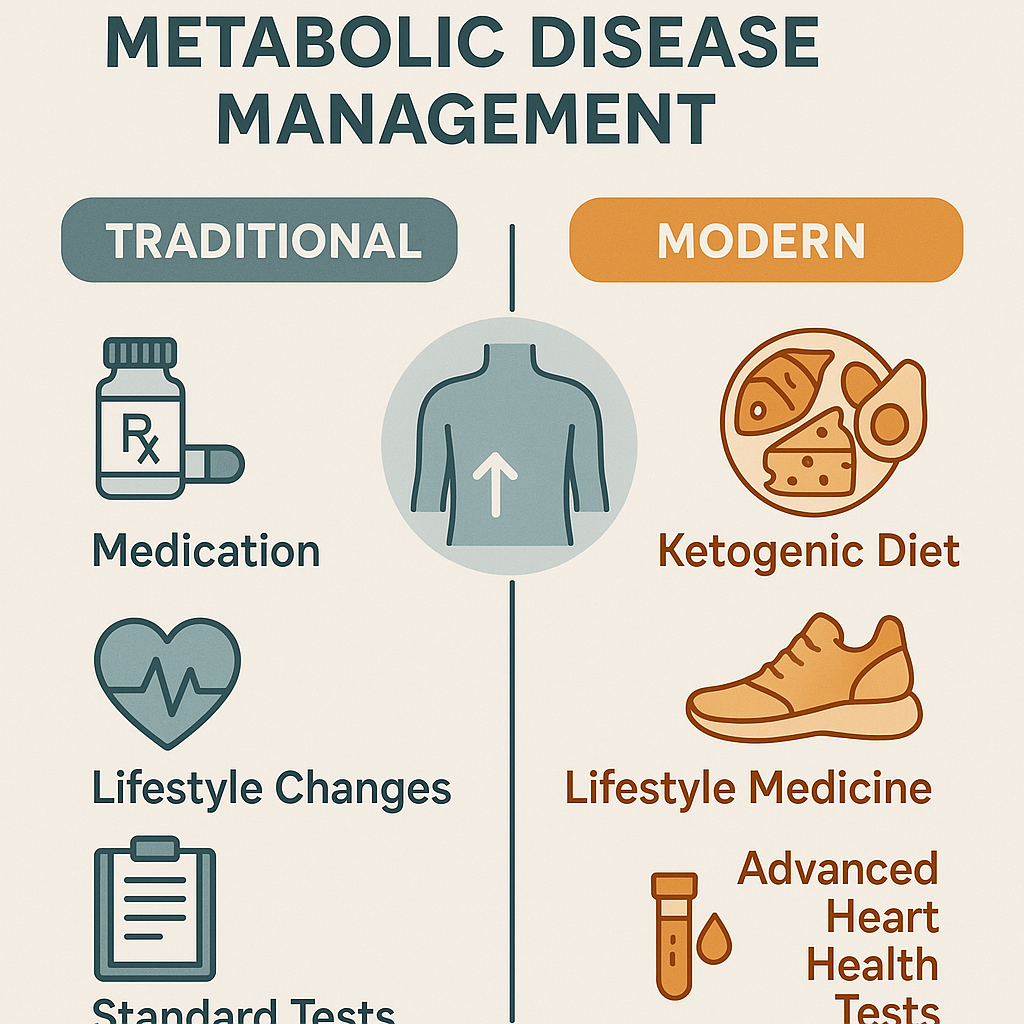
The journey to mitigating the impact of visceral fat is multifaceted and demands a comprehensive approach, involving dietary, lifestyle, and diagnostic strategies. Health-conscious individuals and professionals must advocate for and adopt practices that integrate technological advances, like MRI imaging, with evidence-based dietary practices and targeted exercise routines.
Physicians and fitness experts ought to guide individuals in adopting lifestyle changes that prioritize visceral fat reduction, which includes regular monitoring of body composition through advanced imaging technologies. Together, such efforts can halt the progression of chronic diseases tied to visceral fat, paving the path toward a healthier population with reduced reliance on medication.
Ultimately, bridging the gaps in medical knowledge concerning visceral fat is paramount in redefining our approach to health maintenance. It requires a concerted effort to marry clinical insight with practical interventions, ensuring actions taken today translate into reduced disease markers and a robust metabolic future.