
The Carnivore Diet Debunked: Challenging Nutrition Myths to Transform Your Physical and Mental Health
Unveiling Nutrition Myths: The Hidden Truth About Fats, Cholesterol, Fiber, and Carbohydrates
For decades, mainstream nutrition advice has misled us into fearing animal-based diets, demonizing fats and cholesterol, while glorifying fiber and carbohydrates. Yet, what if everything you thought you knew about nutrition and health was wrong? As more individuals explore diverse dietary models, the carnivore diet’s unique perspective is challenging these long-standing beliefs, offering a transformative potential for both physical and mental well-being.
Myths surrounding dietary fats and cholesterol have led many to adopt low-fat diets in hopes of warding off heart disease and losing weight. However, contemporary research reveals that the real culprits of deteriorating health might just be sugar and excessively processed carbohydrates, not the fats and cholesterol found in meat. Understanding the true role that these nutrients play in the body could reshape how we view our food choices fundamentally.
Equally misleading is the widespread belief in the indispensable role of fiber for digestive health. While fiber is often touted as a miracle component for maintaining regularity, emerging evidence suggests that minimizing fiber intake could alleviate various digestive issues. As you delve deeper, you’ll also discover insights into why many are addicted to carbs and how this addiction impacts overall health.
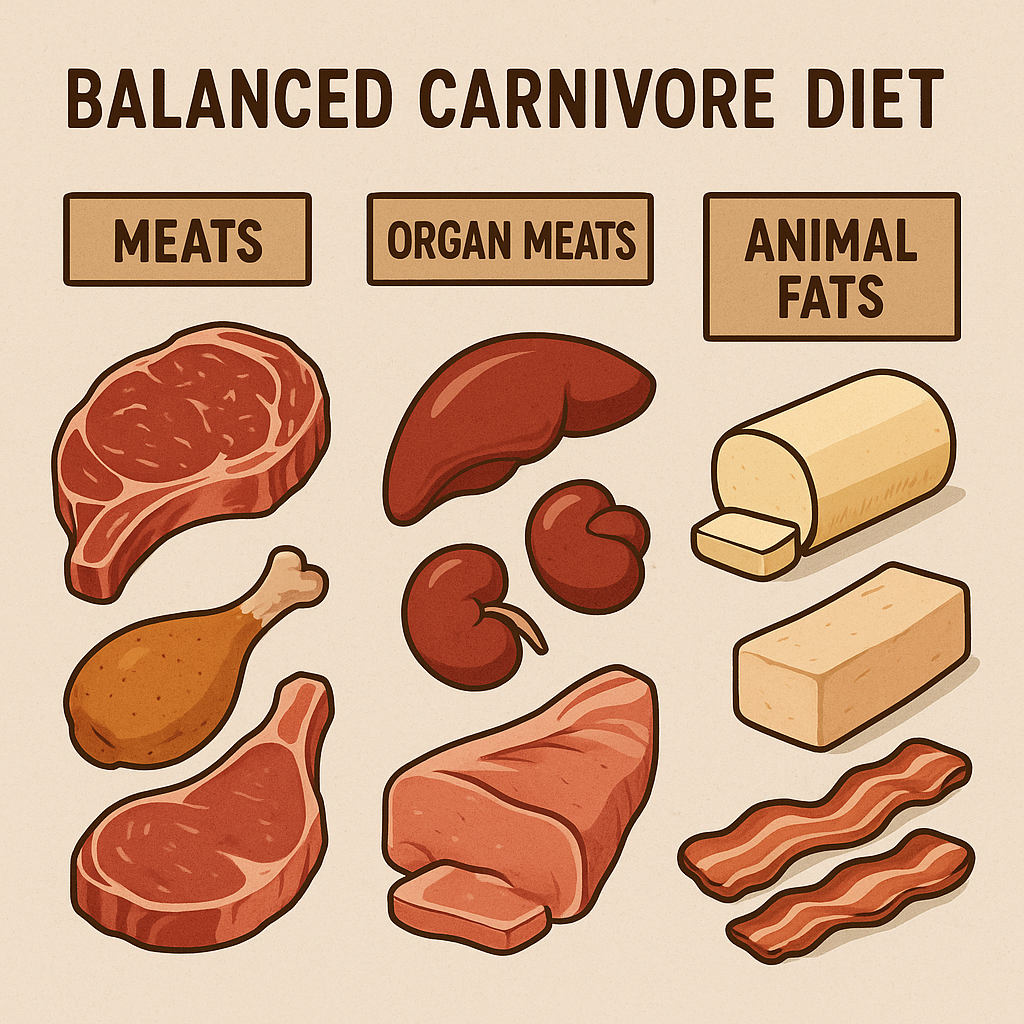
The Carnivore Diet Versus Veganism and Standard Dietary Guidelines
To truly comprehend the carnivore diet’s potential, it is essential to juxtapose it against veganism and conventional dietary doctrines. Veganism traditionally advocates for removing all animal products from consumption, but is this elimination truly beneficial for all aspects of health?
Many people suffer from ailments such as acne, digestive issues, eczema, and hormonal imbalances that vegan diets or standard nutritional advice often fail to address. Veganism, with its absence of crucial animal proteins and fats, sometimes inadvertently leads to deficiencies that can aggravate such conditions. In contrast, anecdotal stories alongside research findings illustrate the carnivore diet’s efficacy in tackling these very problems head-on.
Furthermore, the carnivore diet can address mental health challenges often exacerbated by nutritional deficiencies. It emphasizes nourishment from nutrient-dense animal foods that are inherently high in bioavailable vitamins and minerals, potentially fostering improved mental health and clearer cognitive function.
Comparative Health Outcomes
The health improvements many report upon shifting to a carnivore diet—ranging from clearer skin to balanced hormones and improved digestion—pose significant questions that challenge mainstream dietary beliefs. Scientific studies exploring high-fat, low-carb diets reveal how restructuring macronutrient intake, as observed in stringent carnivorous approaches, can optimize bodily functions many didn’t know could be improved.

Understanding the Essential Roles of Cholesterol and Fat
Society’s fear of cholesterol has fueled the creation of low-fat foods that ironically contribute to a growing health crisis. However, cholesterol is far from the villain it is often portrayed to be; it is essential for cell repair, hormone production, and vitamin D synthesis. The carnivore diet recognizes the importance of fats, advocating for high-quality animal fats as a pillar of robust health.
Furthermore, saturated fats found in animal foods are critical for brain health, promoting mental clarity and stable mood—a stark contrast to the fogginess and energy crashes often reported with high-sugar diets. By reassessing the vilification of cholesterol and saturated fats, the carnivore diet reintroduces logic and nature’s balance into our nutritional paradigms.
The Fiber Conundrum: Why Less Might Be More for Digestive Health
In contrast to the diet-rich-in-fiber narrative, not everyone thrives on bulk fibers. People suffering from bloating, constipation, or irritable bowel syndrome may find relief in minimizing fiber intake, as it typically aggravates these conditions. Reducing fiber strips away digestive irritants, allowing the gut to heal and function more effectively.
The carnivore diet’s near elimination of fiber undertakes a radical, yet potentially beneficial, divergence from the norm. Intake of proteins and fats, which are more efficiently digested when fiber is absent, can significantly improve digestive health. Anecdotal evidence suggests better bowel regulation, a decrease in bloating, and enhanced gut clarity. This diet prompts a profound reconsideration of the ingrained ‘fiber equals health’ ideology.
Debunking Carb Addiction: Freedom Through Nutritional Liberation
Carbohydrates often dominate modern diets, acting as a serotonin boost that temporarily lifts moods but often leads to crashes, cravings, and weight gain. The cycle of carb addiction is tough to break and may exacerbate health problems such as obesity and insulin resistance.
The carnivore diet offers a path to breaking this cycle by reducing carbohydrate intake significantly, paving the way for ketogenesis—where the body uses fat for fuel instead of sugars. This metabolic shift not only aids in weight management but also enhances mental clarity and sustains energy levels throughout the day.
Practical Steps to Overcome Carb Addiction
Transitioning into a carnivore diet requires a strategic approach to effectively manage cravings and withdrawal symptoms. Gradually reducing carb intake while focusing on nutrient-rich meat options can ease the transition. Incorporating habits such as meal prepping, understanding meat nutrition, and listening to hunger cues over cravings fosters more sustainable adherence to this lifestyle.
The Path Towards Self-Sufficiency: Sourcing Quality Meat Sustainably
For many, the potential difficulty in sourcing high-quality meat sustainably is a primary concern when considering a carnivore diet. However, increased demand for transparency and quality in food production encourages more accessible avenues for obtaining sustainably sourced meats. Opting for grass-fed, ethically-raised meats supports both individual health and environmental sustainability.
By cultivating relationships with local farmers and understanding labels and certifications, one can ensure that their meat consumption supports humane and environmentally-friendly practices. Additionally, engaging in community-supported agriculture (CSA) programs or learning to hunt and butcher one’s own meat adds an enriching layer of self-sufficiency to the carnivore journey.
Health Transformation: Real Stories and Support for Women’s Hormonal Health
The transformation many experience on the carnivore diet extends beyond physical health into realms of enhanced quality of life and renewed mental health. Personal testimonies are rife with stories of liberation from lifelong conditions like acne, digestive pain, and debilitating mental health challenges.
For women, the carnivore diet can be particularly empowering in managing hormonal health. The elimination of phytoestrogens found in soy and other plant foods allows for a more balanced hormone environment, potentially alleviating symptoms of PMS, menopause, and endometriosis.
As you explore these narrative transformations and peer-reviewed insights, you’ll uncover how shifting to a carnivore diet can motivate a reevaluation of your relationship with food, encouraging a critical look at mainstream dietary dogmas. With truth and thoughtful examination as your guide, embarking on this unique nutritional path may well be a pivotal step toward achieving unparalleled well-being.