
Reversing Diabetes in India: How Low-Carb and LCHF Diets Challenge Mainstream Medical Norms
Unlocking the Potential of Low-Carb Diets in India
India, with its burgeoning population and rapid urbanization, is witnessing a rising tide of non-communicable diseases. Amongst these, diabetes stands as an insidious pandemic affecting millions. Traditional medical practice frequently leans on pharmacological interventions. Yet, a paradigm shift is underway, gaining traction through the innovative approaches of low-carb and LCHF (Low Carb High Fat) diets that challenge conventional norms.
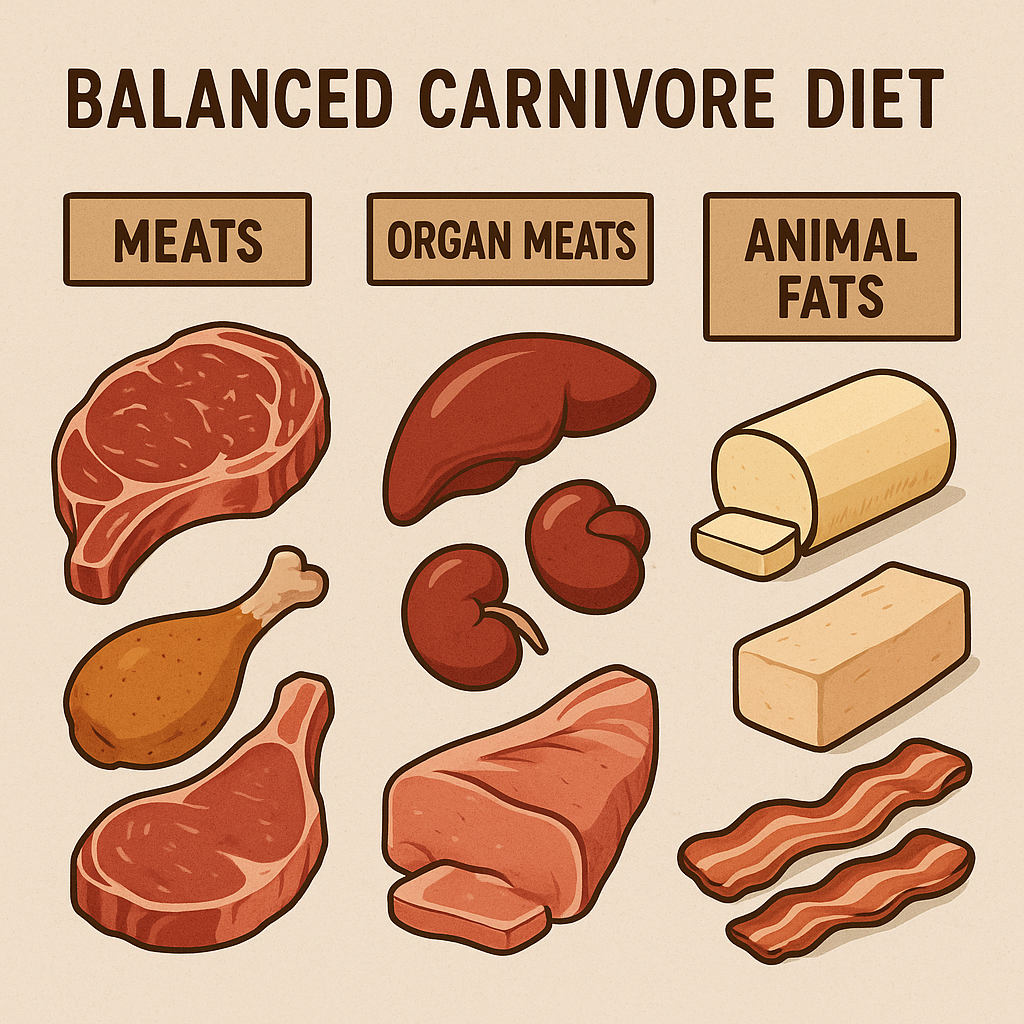
The journey toward diabetes reversal through dietary changes is more than just feasible; it is being realized by many informed patients and forward-thinking practitioners. This article explores this potential, the systemic challenges it faces, and the transformative impact it promises.
The Limitations of Mainstream Medical Guidelines
For decades, healthcare protocols have predominantly recommended a diet high in carbohydrates subject to calorie control to manage diabetes. However, the emphasis on medication over dietary adjustments often fails to address the underlying causes of metabolic diseases. Many patients find themselves on an ever-increasing regimen of drugs without significant improvements in their overall health.
Conventional wisdom suggests that ‘fat is the foe,’ but emerging evidence flips this notion. Instead of targeting fat, reduced carbohydrate intake is proving more effective for managing blood sugar levels. Unfortunately, a significant portion of the medical community remains skeptical, rooted in outdated interpretations of nutritional science.
The Physiological Impact of Carbohydrates on Metabolic Health
Carbohydrates play a pivotal role in energy metabolism, yet their excess can lead to detrimental effects. When consumed in large quantities, carbohydrates break down into glucose, spiking blood sugar levels. This spike prompts the pancreas to release insulin, a process that over time can lead to insulin resistance – a harbinger of type 2 diabetes.

Equally concerning is the accumulation of visceral fat, particularly around the abdominal organs. Visceral fat acts as more than just a passive storage unit; it’s metabolically active, releasing hormones and inflammatory substances that further exacerbate insulin resistance and cardiovascular risk. Measuring visceral fat is becoming a critical marker for assessing metabolic health.
The Low-Carb and Carnivore Diets: A Game Changer
In contrast to traditional dietary approaches, low-carb and carnivore diets sharply reduce carbohydrate intake, prompting the body to shift from using glucose to burning fats for energy, a state known as ketosis. This shift not only stabilizes blood glucose levels but leads to weight loss, improved lipid profiles, and reduced inflammatory markers.
Indians, traditionally accustomed to carbohydrate-rich diets, are witnessing profound changes in diabetes management through these dietary approaches. Renowned nutrition specialists and recent studies affirm that reducing daily carbohydrates to around 100 grams, emphasizing proteins and healthy fats, can substantially enhance diabetes outcomes.
Community Support: The dLife Forum and Beyond
Grassroots movements like the dLife Forum are instrumental in driving this dietary revolution. They empower individuals with diabetes by providing educational resources, community support, and a library of low-carb recipes tailored to Indian tastes.
Beyond just a support group, these forums champion patient autonomy and encourage informed dialogue between patients and healthcare providers. The power of community in transforming perceptions and providing moral support cannot be understated.
Resistance from Healthcare Professionals
Despite mounting evidence and patient testimonies, resistance persists within the healthcare fraternity against these unconventional dietary approaches. Concerns often stem from misconceptions about dietary fats and cholesterol, as well as a lack of updated nutrition education among clinicians.
Critics often cite the long-standing belief in dietary cholesterol’s role in heart disease, yet recent findings debunk this, showing that carbohydrates have a more direct relationship with the risk of developing heart conditions, especially when associated with diabetes.
Practical Recommendations for Managing Diabetes
For individuals managing diabetes, the following strategies are critical:
- Monitor carbohydrate intake, aiming to not exceed 100 grams per day. Utilizing kitchen scales can enhance accuracy.
- Adopt regular moderate exercise such as walking or stair climbing to aid glucose regulation.
- Implement a holistic understanding of metabolic health by including tests for fasting insulin and visceral fat.
- Engage with supportive communities like dLife for continued encouragement and knowledge-sharing.
As we cultivate this awareness, the role of community interventions and personal advocacy becomes progressively vital.
Expanding Nutrition Education in India
To combat rising non-communicable diseases, reform is necessary within the medical and public health sphere. Emphasizing nutrition education for doctors can bridge the gap between outdated practices and emerging scientific evidence.
Public awareness campaigns that promote low-carb options and the dangers of excessive carbohydrate consumption are equally essential. Such initiatives can displace myths with facts and foster informed decision-making among the populace.
Nurturing Future Generations: Nutrition for Children
Education and prevention should start young. Schools and parents hold the key to instilling healthy eating habits early on. Introducing children to balanced diets that limit processed carbs can set the foundation for lifelong metabolic health.
A proactive approach in school meal planning and home-cooked family meals ensures children are nourished without risking early onset metabolic syndrome. Schools and policy-makers must collaborate to ensure balanced meals that support children’s health and learning.”