
Rethinking Kidney Health: The Impact of Protein, Diet, and Autoimmune Disorders on Membranous Nephropathy
Understanding Membranous Nephropathy and Its Challenges
Membranous nephropathy is a complex kidney disorder characterized by the thickening of membranes within the glomeruli—the filtering units of the kidney. This condition often results in significant protein loss in urine, known as proteinuria, leading to symptoms like swelling, fatigue, and increased risk of infections. Traditionally, management has included dietary restrictions, particularly protein limitation, alongside medications and sometimes dialysis or kidney transplantation. However, emerging evidence suggests that conventional approaches might need revisiting, especially considering the nutritional demands of patients and evolving understanding of autoimmune disorders.
The Protein Puzzle: Revisiting Traditional Advice
Historically, medical advice has emphasized protein restriction for kidney patients to reduce strain on the kidneys. However, this perspective is increasingly challenged. Recent studies indicate that adequate protein intake is crucial, particularly post-transplant patients or those with diminishing proteinuria levels. Protein, being the foundational building block for muscle repair and immune function, is essential for healing and recovery. Some experts advocate for measured, sometimes increased, protein intake to support better health outcomes, urging a personalized approach instead of a one-size-fits-all strategy.
Protein Post-Transplant: A Case for Re-evaluation
Post-renal transplant patients exemplify the need for re-evaluated nutritional guidelines. Emerging trends highlight that such patients often thrive better when their protein intake is adjusted to meet increased metabolic demands. This strategy not only aids tissue recovery but also potentially stabilizes kidney function over time. The shift calls for healthcare professionals to stay abreast of nutritional research developments and adapt practices accordingly.
Dietary Influences: Vegetarianism vs. Carnivore Diet
The impact of dietary choices on autoimmune conditions and kidney health is profound. Vegetarian diets, though celebrated for heart health and ethical reasons, may carry risks of nutritional deficiencies and antinutrients that can exacerbate autoimmune issues. Plant-based diets often lack adequate levels of vitamin B12, omega-3 fatty acids, and high-quality proteins, affecting energy levels, immune function, and overall metabolic health. This is particularly concerning in India, where vegetarianism is prevalent.
Carnivore Diet: An Unexpected Ally?
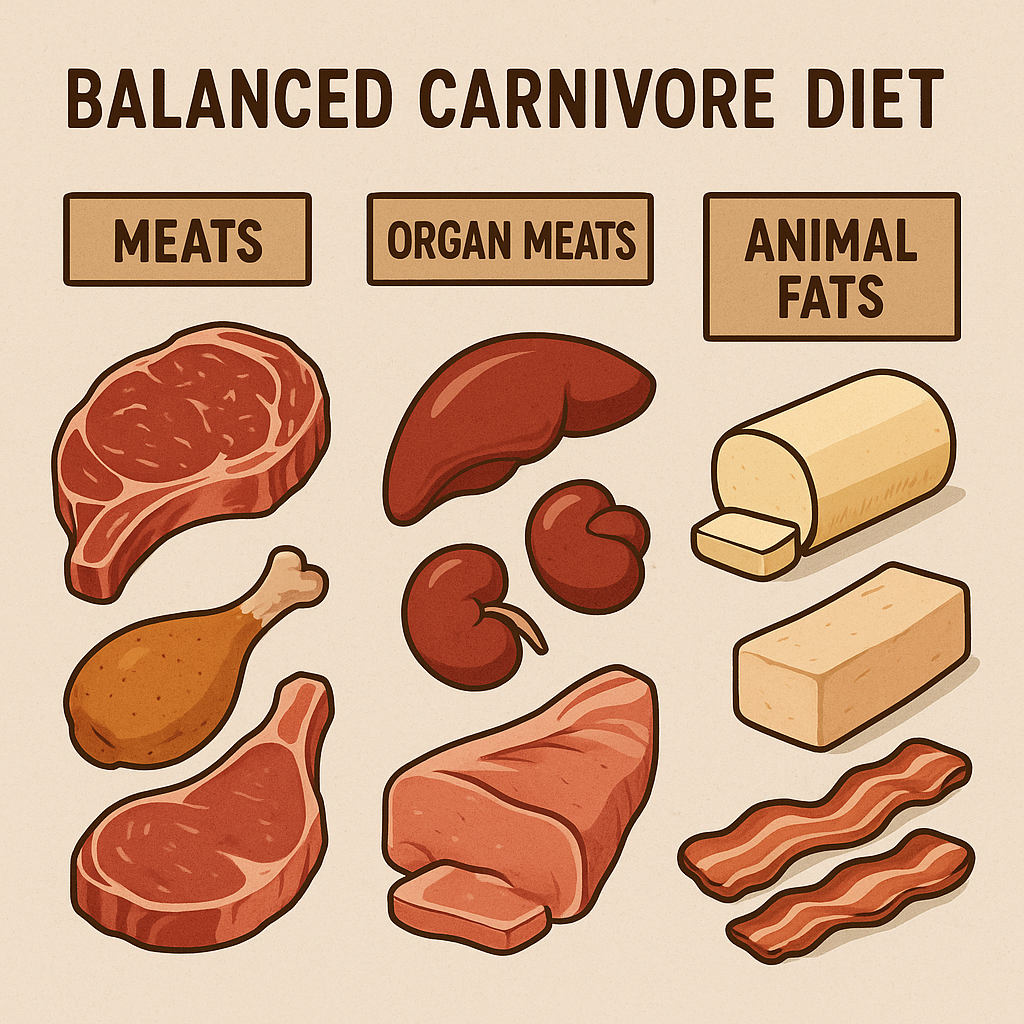
In contrast, the carnivore diet has emerged as a controversial yet potentially beneficial dietary strategy for autoimmune conditions, including severe kidney diseases. It eliminates plant-based toxins and focuses on nutrient-rich animal proteins, fats, and organ meats, reported to have aided in the reversal of some autoimmune symptoms. While still debated, patient testimonies and ongoing research suggest a need for more open exploration of such dietary interventions.
Spontaneous Remission and the Role of Patient Advocacy
Spontaneous remission in idiopathic diseases, including membranous nephropathy, poses an intriguing subject within medical circles. Despite limited understanding, instances of remission without clear medical intervention underline the mysteries of autoimmune disorders. Such cases highlight the importance of patient advocacy and proactive management in healthcare. Patients increasingly are pushing for deeper inquiry into their conditions, especially when standard treatments falter.
Tales of unexpected recovery often blend lifestyle changes, nutritional adjustments, and mental wellness, emphasizing the multidimensional nature of healing. Encouragingly, patients first-hand experiences offer insights into research gaps and alternative strategies worth academic pursuit.
The Critical Role of Nutrition Education in Healthcare
The need for improved nutrition education among medical practitioners cannot be overstated. Many healthcare professionals lack comprehensive training in nutrition, which can impede patient care. This gap is acutely felt in regions like India, where cultural dietary practices heavily influence health behaviors yet remain inadequately addressed within clinical settings. Better-educated providers can guide informed dietary choices, align treatments with patient needs, and ultimately improve health outcomes.

Empowering Patients Through Nutritional Coaching
Effective nutritional coaching involves more than just dietary advice; it entails empowering patients with the knowledge and tools to make informed decisions about their health. Coaching strategies should focus on practical approaches to navigating low-carb and ketogenic diets, ensuring patients understand and can implement dietary changes conducive to metabolic health and autoimmune recovery. Emphasizing personalized plans, reflection on individual responses, and use of nutritional data is vital.
Navigating Misconceptions and Tailoring Solutions
Dietary misconceptions, particularly prevalent in practice, can mislead patients and practitioners alike. Assumptions about protein restrictions or the universality of plant-based diets for health, when left unchallenged, may inadvertently hinder patient progress or recovery. Therefore, it is crucial to dismantle dietary myths through evidence, support patient experimentation with guidance, and validate their experiences through clinical outcomes.
Ultimately, success lies in a deepened commitment both from patients who are learning to critically evaluate healthcare advice and from practitioners who earnestly strive for better knowledge integration in dietary therapies, creating a more adaptable and informed approach to health management.