
Metabolic Health Revolution: Challenging Dietary Dogmas and Transforming Patient Care
Rethinking Metabolic Health: A New Paradigm
In the modern era of nutrition science, a revolution is quietly taking place, redefining how we perceive metabolic health and patient care. This transformation is spearheaded by emerging dietary approaches like low-carb, ketogenic, and carnivore diets, which are challenging long-held dietary dogmas. With the escalating prevalence of metabolic diseases such as diabetes and obesity, examining these unconventional dietary strategies offers a beacon of hope in understanding metabolic function from a fresh perspective.
Metabolic health is no longer seen merely as a function of calorie intake versus expenditure but rather a complex interplay of hormonal regulation, inflammation, and body composition. The influence of sugar, refined carbohydrates, and seed oils in disrupting these metabolic processes has never been clearer. Deeper insights into their roles reveal why reducing these elements is crucial for maintaining optimal health.
The Underestimated Threat of Modern Carbohydrates
The first step towards reclaiming metabolic health is recognizing the detrimental impact of sugar and refined carbohydrates. These carbohydrates cause rapid spikes in blood glucose and insulin levels, leading to insulin resistance, a major driver of metabolic syndrome. Unlike traditional dietary guidelines that have long advocated for high carbohydrate intake, emerging research supports a paradigm shift towards carbohydrate reduction.
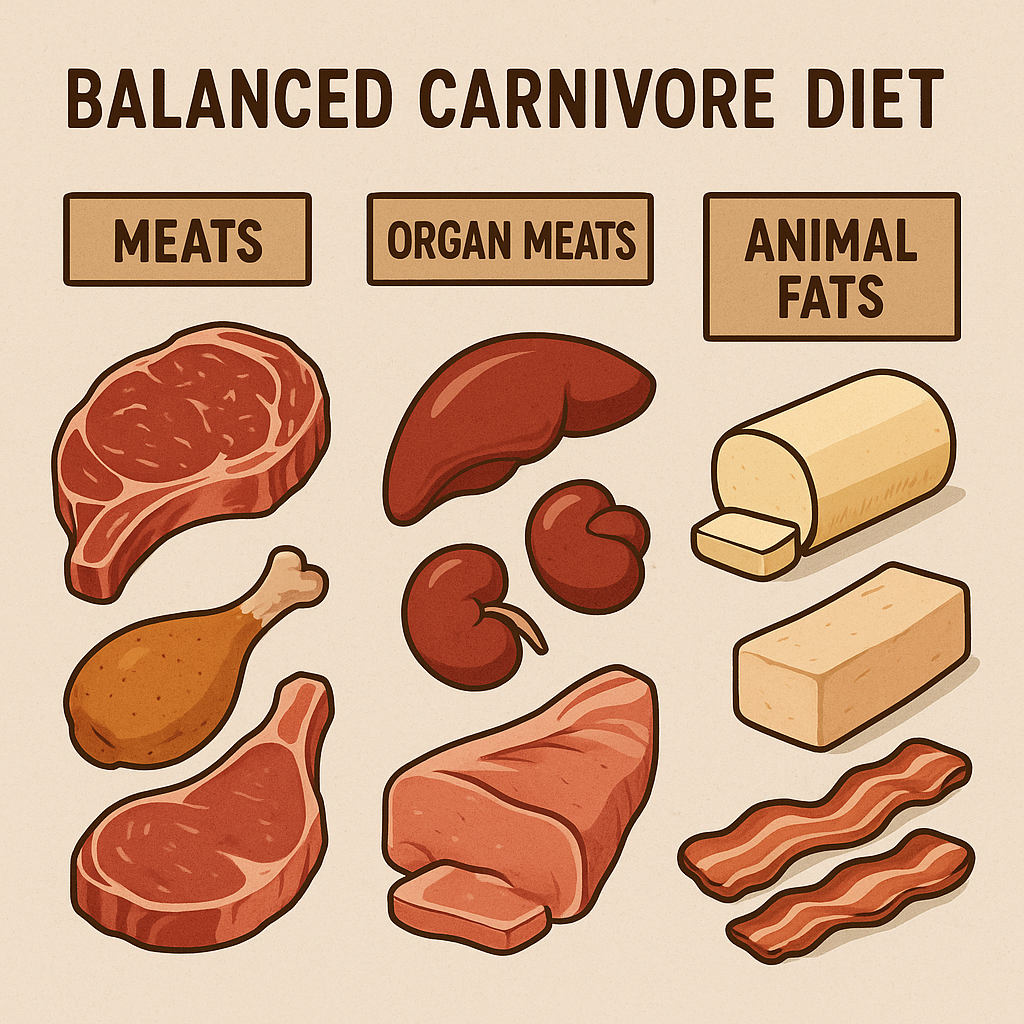
Incorporating low-carb and carnivore diets has demonstrated significant benefits in managing obesity and diabetes, with countless patients reporting improved metabolic markers and sustained weight loss. By focusing on nutrient-dense, predominantly animal-based diets, individuals can achieve stable blood sugar levels and reduced inflammation, creating a healthier internal environment.
The Role of Seed Oils
Seed oils, often touted as heart-healthy alternatives in cooking, have now come under scrutiny for their high omega-6 fatty acid content, known to promote inflammation when consumed in excess. The replacement of traditional cooking fats like butter and lard with these modern oils may contribute to metabolic disturbances, emphasizing the need for a re-evaluation of what constitutes ‘healthy fats.’
Hospital Foods: A Critical Evaluation
The contradiction between dietary recommendations in clinical settings and the food served in hospitals remains one of the silent saboteurs of patient recovery. Processed foods that are high in sugars and unhealthy fats could undermine the healing process, complicating efforts to manage diabetes and other food-related conditions. Effective dietary interventions begin with improving food standards within hospitals.
Continuous glucose monitoring presents an opportunity to demonstrate the profound impact hospital food has on patient blood sugar levels. By doing so, healthcare institutions can realize the importance of integrating whole, minimally processed foods into hospital meals to facilitate better patient outcomes.
The Misguided Cholesterol Saga
Cholesterol and its role in health have long been misunderstood, often being vilified as the primary culprit for heart disease. However, cholesterol serves essential functions, including hormone production and cell membrane integrity. While statins are ubiquitously prescribed, the dialogue about their necessity and side effects must consider pharmaceutical interests that might overshadow the need for dietary intervention.

Redefining Cancer and Metabolic Disease
Increasingly, cancer research is investigating the possibility of cancer being fundamentally a metabolic disease. This perspective shifts focus from genetic mutations to metabolic dysregulation, potentially opening doors to new, nutrition-based therapeutic strategies that target cancer cells’ glycolytic dependency. The consideration of low-carb diets could play a pivotal role in these emerging treatments.
The Fiber and Fruit Fallacy
Fiber and fruit have been championed by traditional dietary guidelines as essential components of a balanced diet. Yet, mounting evidence suggests these recommendations may be flawed when considering carbohydrate load and digestive responses. For individuals with insulin resistance or digestive issues, aggressive fiber intake may not always be beneficial. It’s crucial to challenge the one-size-fits-all dietary guidelines in favor of more personalized nutrition.
Dr. Gary Fettke: A Case Study in Nutritional Advocacy
Dr. Gary Fettke’s journey underscores the challenges faced by medical professionals advocating for nutritional approaches within conventional medical frameworks. Suffering from health issues himself, Dr. Fettke began to question traditional dietary narrations and explored low-carb strategies, leading to significant improvements in his health. Despite facing opposition from medical authorities and regulatory boards, his persistence highlights the need for evidence-based nutritional advocacy in clinical practice.
Navigating Confusion: Actionable Guidance
The landscape of nutrition and metabolic health is laden with confusion, but several guiding principles can steer individuals towards better health outcomes. Cutting out sugars and refined carbohydrates is a decisive first step. Offering patients and healthcare providers easy-to-monitor metrics, such as waist circumference, can serve as reliable indicators of progress.
Promotion of whole, animal-based foods, complete with proteins and fats, caters to the body’s nutritional needs during metabolic recovery. Encouraging a critical mindset towards dietary guidelines and providing strategies for intermittent fasting can further empower individuals to regain their health.
Empowering Change: Steps for Healthcare Professionals
Healthcare professionals hold a vital role in the metabolic health revolution. By emphasizing nutritional medicine, they can challenge outdated dietary dogmas. This requires updating training curricula, encouraging research into carbohydrate reduction therapies, and implementing continuous glucose monitoring in patient care plans.
Educational seminars and workshops designed to spread awareness about the benefits of low-carb and carnivore diets can bridge the knowledge gap. These initiatives can help dismantle the prevailing myths surrounding diet and metabolic diseases, ultimately leading to a healthier population less reliant on pharmaceutical interventions.
For Patients: Taking Control of Your Health
For patients striving to improve their metabolic well-being, empowerment lies within the adoption of dietary changes that prioritize real, unprocessed foods. By removing the clutter of modern diet propaganda, individuals are able to focus on sustainable, health-focused eating patterns. Reducing intake of harmful seed oils and replacing them with natural animal fats can enhance metabolic processes.
Ultimately, the revolution in metabolic health hinges on individuals educating themselves, questioning traditional advice, and implementing the dietary changes that align with their physiological needs, free from industrial and pharmaceutical influences.