
Mastering the Carnivore Diet: A Comprehensive Guide to Starting, Overcoming Challenges, and Thriving Socially and Physically
Unlocking the Secrets of the Carnivore Diet
The allure of the carnivore diet is undeniable for those seeking simplicity and profound health transformations. Imagine a diet free from constant meal planning across multiple food groups, where meat reigns supreme. This animal-based dietary approach challenges conventional nutrition paradigms, inviting both intrigue and skepticism. As we delve into the world of carnivore, let’s explore its foundational principles and unveil the steps for a successful transition, particularly for vegetarians venturing into uncharted territory.
Laying the Foundation: Understanding the Carnivore Diet
The carnivore diet is predicated on consuming only animal-based products, eliminating plant foods entirely. It emphasizes the nutritional density of meat, which provides bioavailable protein, essential fatty acids, vitamins, and minerals. This dietary lifestyle also significantly reduces carbohydrate intake, allowing the body to transition into a state of ketosis, burning fat for fuel rather than glucose.
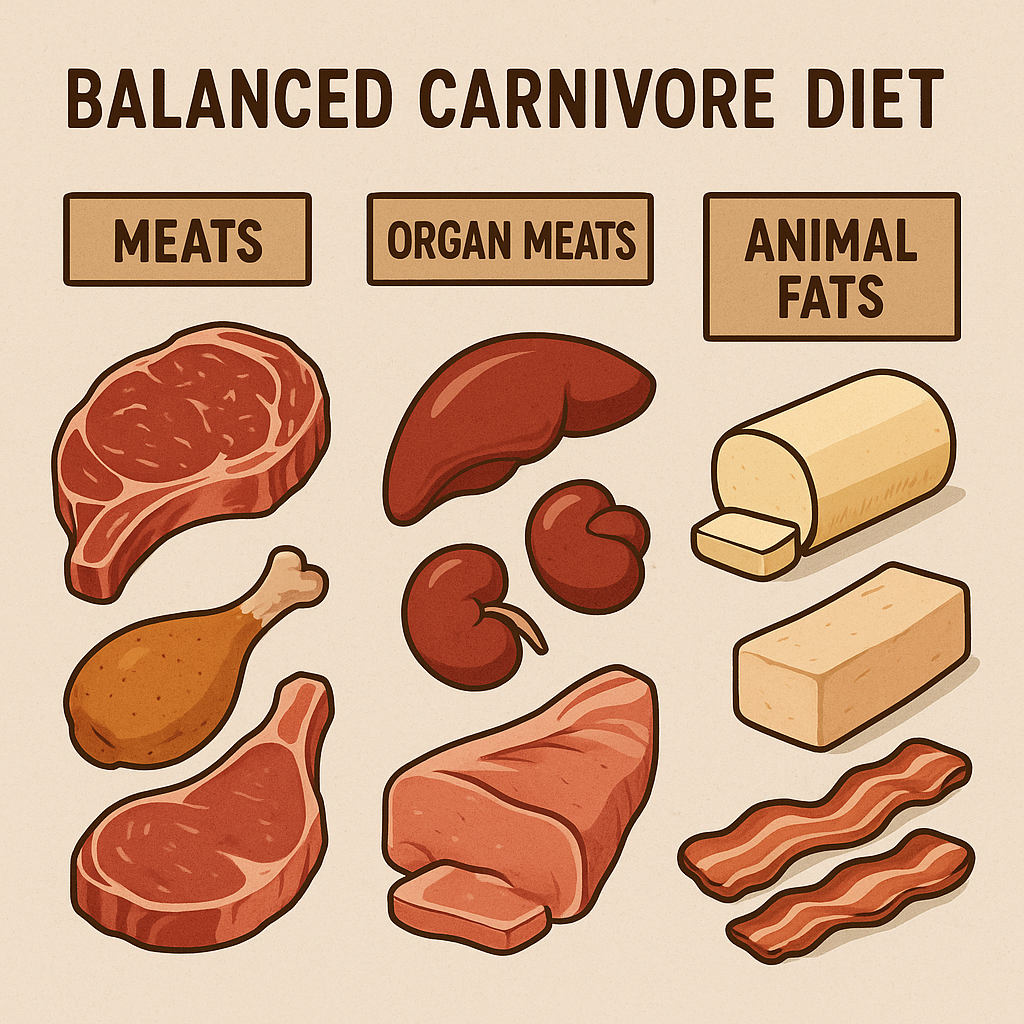
Embarking on this dietary journey requires a shift in perspective. It’s not just about consuming steaks and ribs, but also embracing organ meats and a variety of animal fats. This approach may sound radical, but for many, it promises enhanced mental clarity, increased energy levels, and profound metabolic improvements.

Pathways for Vegetarians Transitioning to a Meat-Based Diet
For vegetarians contemplating this shift, the idea of reintroducing meat can be daunting. It’s important to approach this transition methodically and compassionately. Begin by incorporating nutrient-rich, easily digestible meats such as bone broths or fish. These provide a gentle way to acclimate the digestive system to animal proteins and fats.
Patience is key; your body needs time to adjust to new enzymes and gut flora changes. Consider starting with small portions, gradually increasing quantities as your comfort and confidence grow. Engage with community support groups for shared experiences and motivational stories, which can be invaluable during this transition phase.
Confronting Challenges Head-On
Navigating Social Dynamics and Festive Seasons
Society’s attachment to diverse cuisines can make social gatherings a minefield for carnivore adherents. However, with thoughtful preparation, these occasions do not need to be stressful. Eat a satiating meal prior to attending to curb cravings, and if possible, bring carnivore-friendly dishes to share, subtly introducing others to this lifestyle.
Social tactics can also be employed, such as volunteering for roles that keep you occupied, thereby avoiding the spotlight on your dietary choices. Opt for casual responses when queried about your diet, shifting focus rather than engaging in lengthy explanations. This can diffuse potential judgment and open up curiosity-driven conversations.
Handling Health Improvements and Disease Reversal
One of the most compelling aspects of the carnivore diet is its potential for managing metabolic health and reversing chronic conditions. Research and personal anecdotes frequently highlight improvements in arthritis symptoms, stabilization of blood sugar levels, and weight management.
It’s crucial to work closely with healthcare professionals who support low-carb diets to safely adjust medications and monitor progress. The shift in dietary intake affects medication efficacy, requiring guidance to prevent adverse reactions.
Practical Advice for Thriving on a Carnivore Diet
Success with the carnivore diet comes from understanding and adapting to both physiological and psychological changes. The lack of plant fibers may initially challenge digestion, but many find that their bodies adapt, resulting in improved digestion and nutrient absorption.
Intermittent fasting pairs naturally with this diet, as fat adaptation often suppresses hunger. This becomes an advantage during socially demanding periods, allowing greater flexibility and control over eating windows. This, in turn, helps navigate the festive seasons where food is abundant.
Bridging Gaps in Understanding: Expert Insights
Concerns regarding cholesterol and nutrient deficiencies are common among newcomers. However, recent studies challenge the traditional narrative linking dietary cholesterol to heart disease. Experts advocate for a focus on triglyceride-to-HDL ratios as more indicative of heart health than cholesterol levels alone.
Nutrient absorption, often a point of contention, is found to be efficient on a meat-based diet, with the body adeptly utilizing the animal-derived nutrients. Engage with registered dietitians or doctors versed in carnivore nutrition to dismiss myths and make informed decisions.
Redefine Your Plate, Reclaim Your Health
The carnivore diet offers a path to reclaiming health and simplifying life amidst the overwhelming choices of modern diets. While challenging at first, the potential for transformative health benefits beckons, inspiring both curiosity and dedication.
Ultimately, it’s about personal empowerment and making informed, confident dietary choices that align with your health goals. Embrace the journey, armed with practical strategies, community support, and a renewed perspective on nourishment.