
Mastering Oxalate Detox: A Comprehensive Guide to Managing Symptoms, Diet, and Recovery for Lifelong Health
Understanding Oxalates: The Hidden Threat to Health
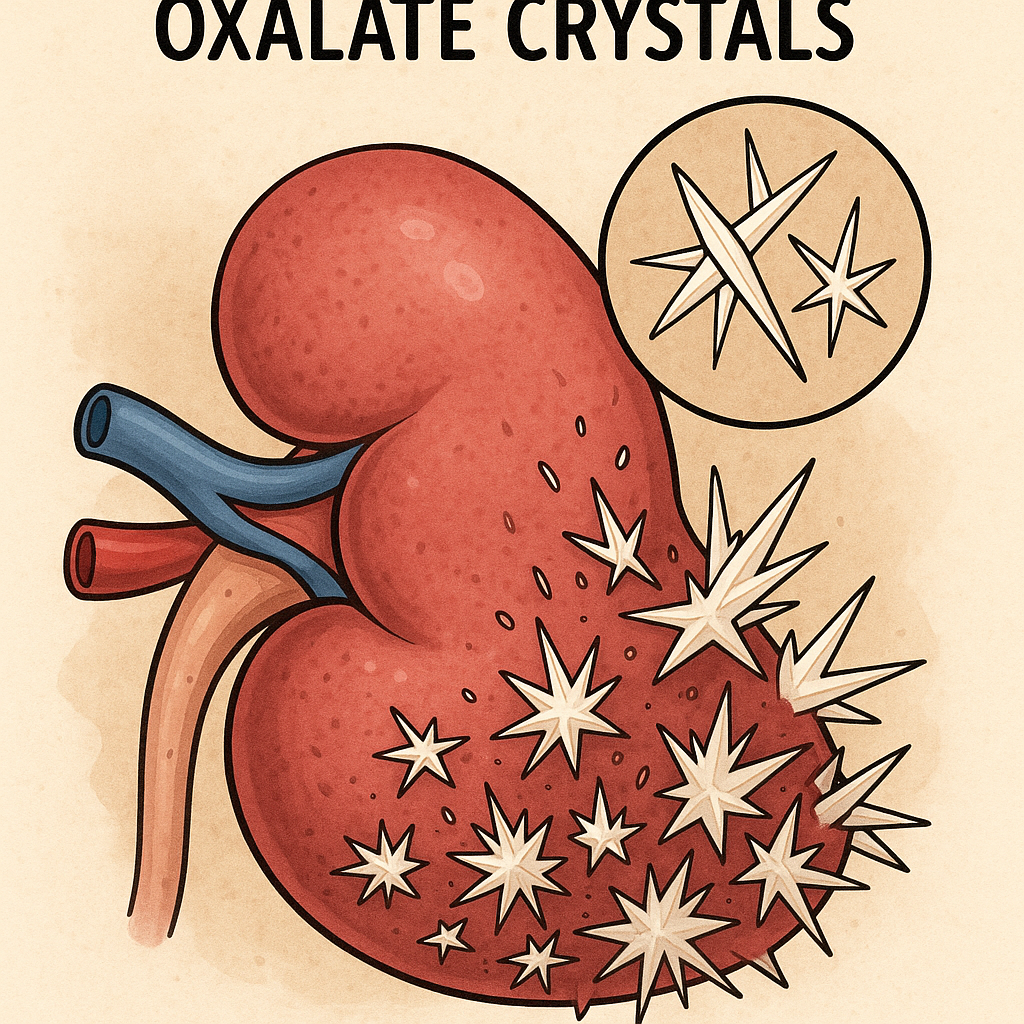
In the intricate web of biochemical processes that sustain life, oxalates present a stealthy but pervasive dilemma. Oxalates are naturally occurring compounds found in various foods, crystalline in structure, which, when accumulated, can lead to significant health concerns. These compounds are processed by our bodies through biochemical transport mechanisms, often binding with calcium, leading to the formation of sharp crystalline deposits, most notoriously in the kidneys but also affecting organs and tissues. This accumulation can incite inflammation, contribute to chronic pain syndromes, and potentially escalate into severe health issues like arthritis or even cancer.
The body’s ability to manage oxalate concentrations hinges on various factors, including diet and the efficient functioning of excretory systems. When these processes falter, oxalates accumulate, causing damage and discomfort. Understanding the pathways and impacts of oxalates helps us navigate the intricate challenges they present, paving the way for effective management and healing strategies.
The Biochemical Journey of Oxalates: Transport, Accumulation, and Inflammation
The journey of oxalates through the body is a fascinating, albeit complex, narrative. These compounds are absorbed in the intestines, making their way into the bloodstream, often binding with minerals like calcium, magnesium, and iron. These complexes are then transported to various tissues or excreted via the kidneys. However, when the transport or excretion mechanisms are faulty or overwhelmed by high intake, oxalates can infiltrate tissues, become deposited, and unleash a cascade of biochemical reactions that spur inflammation.
Oxalate crystals can lodge in joints and other tissues, creating microscopic tears and eliciting inflammatory responses, mimicking arthritic symptoms or paving the way for more debilitating diseases. The role of cell transporters, specialized proteins that move oxalates across cellular membranes, is critical. Efficient transporter function is essential to prevent the harmful buildup of oxalates, underlying the importance of understanding these biochemical pathways for health maintenance.
Oxalate Dumping: Recognizing and Managing Symptoms
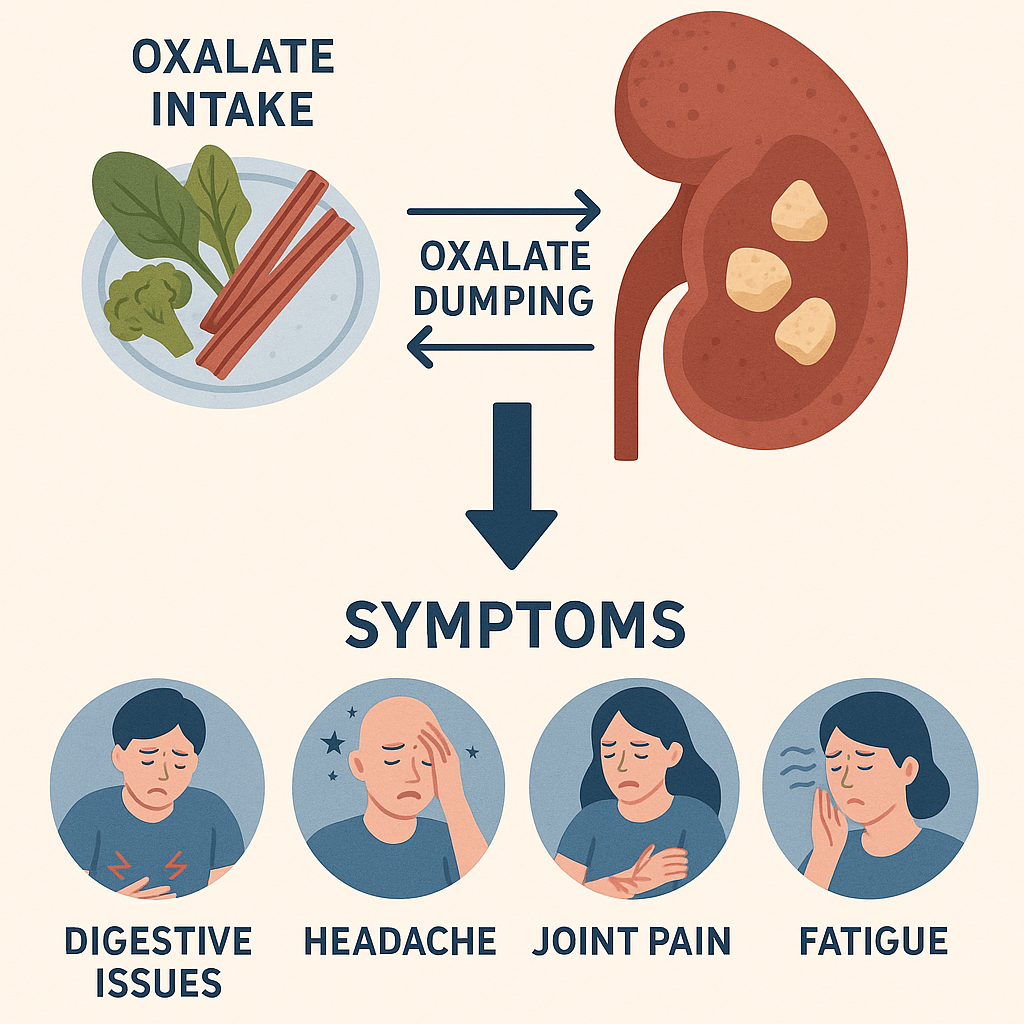
While consumption of high-oxalate foods may lead to their accumulation, the process of reducing intake may trigger a phenomenon known as oxalate dumping. This occurs when the body attempts to expel stored oxalates, often resulting in acute symptoms such as fatigue, foggy thinking, joint pain, and digestive issues. The body’s detoxification pathways are taxed as it mobilizes oxalates, and oxidative stress may occur without adequate nutritional support.
Gradual reduction of dietary oxalate intake is paramount to manage dumping symptoms effectively. It’s akin to peeling layers of accumulated toxins in a controlled manner to minimize adverse reactions. Supporting detoxification with minerals like magnesium and potassium helps in binding and safely removing oxalates. Incorporating such strategies into one’s diet enables a smoother transition and mitigates the discomfort of oxalate dumping.
Harnessing Nutrition: Low Oxalate and Carnivore Diets
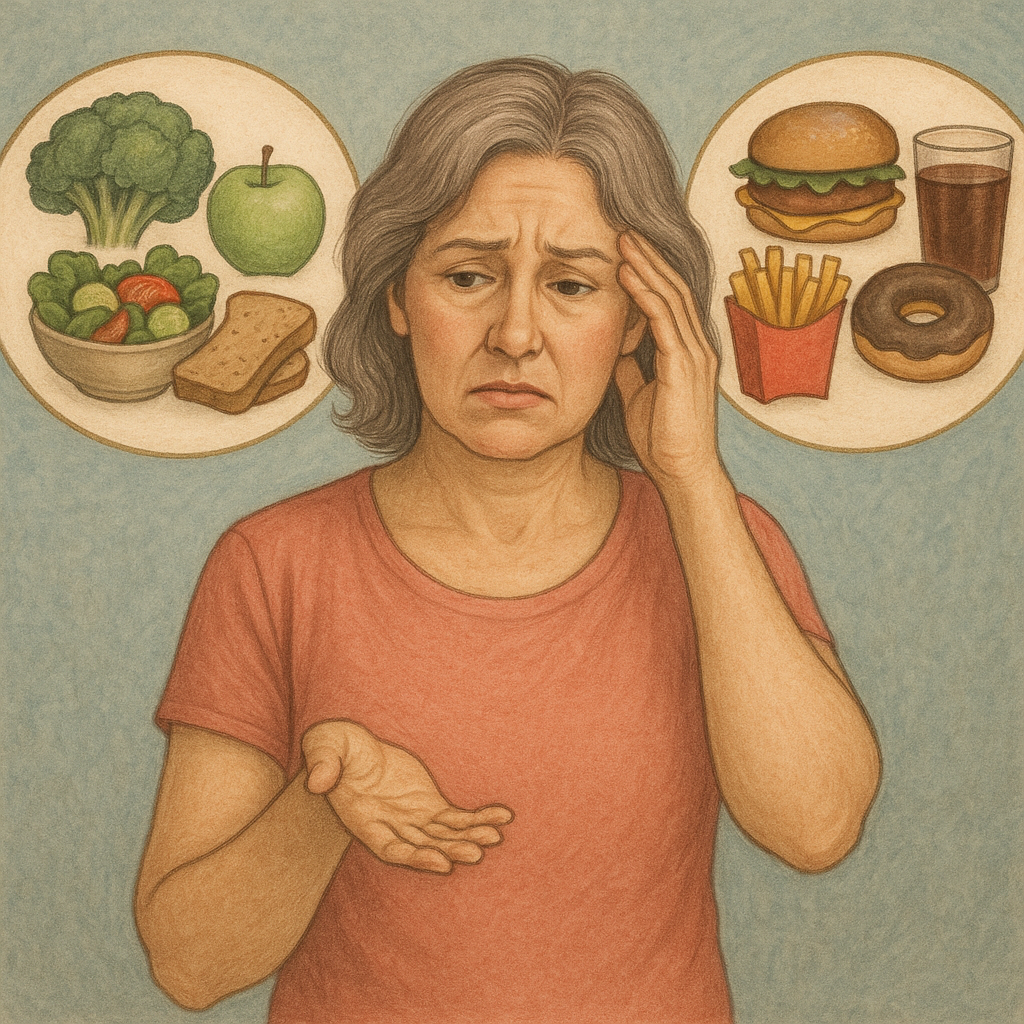
Making informed dietary choices is instrumental in managing oxalate-related health challenges. A low oxalate diet focuses on reducing oxalate intake while ensuring nutrient density. Foods naturally low in oxalates provide alternative nutritional support without the risk of exacerbated symptoms, aiding tissue repair and inflammation reduction. Keeping a dietary balance ensures adequate nutrient intake without burdening the excretory systems.
In recent explorations, the carnivore diet, which is inherently low in oxalates, has gained attention for its profound impact on recovery and overall health. This diet emphasizes consuming nutrient-dense animal products, rich in essential minerals and devoid of plant-derived toxins, to foster healing and increase vitality. Proponents highlight improvements in energy levels, reduced inflammatory responses, and enhanced metabolic functions.
Navigating the Menopausal Transition: Special Considerations
For menopausal women, oxalates may present unique challenges. Hormonal fluctuations can exacerbate oxalate-related symptoms, and nutritional needs shift during this phase. Ensuring an adequate intake of essential minerals like magnesium and potassium is crucial. Additionally, the carnivore diet may offer benefits by bolstering energy reserves and supporting hormonal balance in the face of these transitions.
Nutritional interventions aimed at reducing oxalate levels must also consider the holistic picture of a woman’s health. Addressing stress and incorporating calming techniques can foster better nervous system regulation, directly impacting inflammation and detoxification processes.
Strategies for Stress Management and Recovery
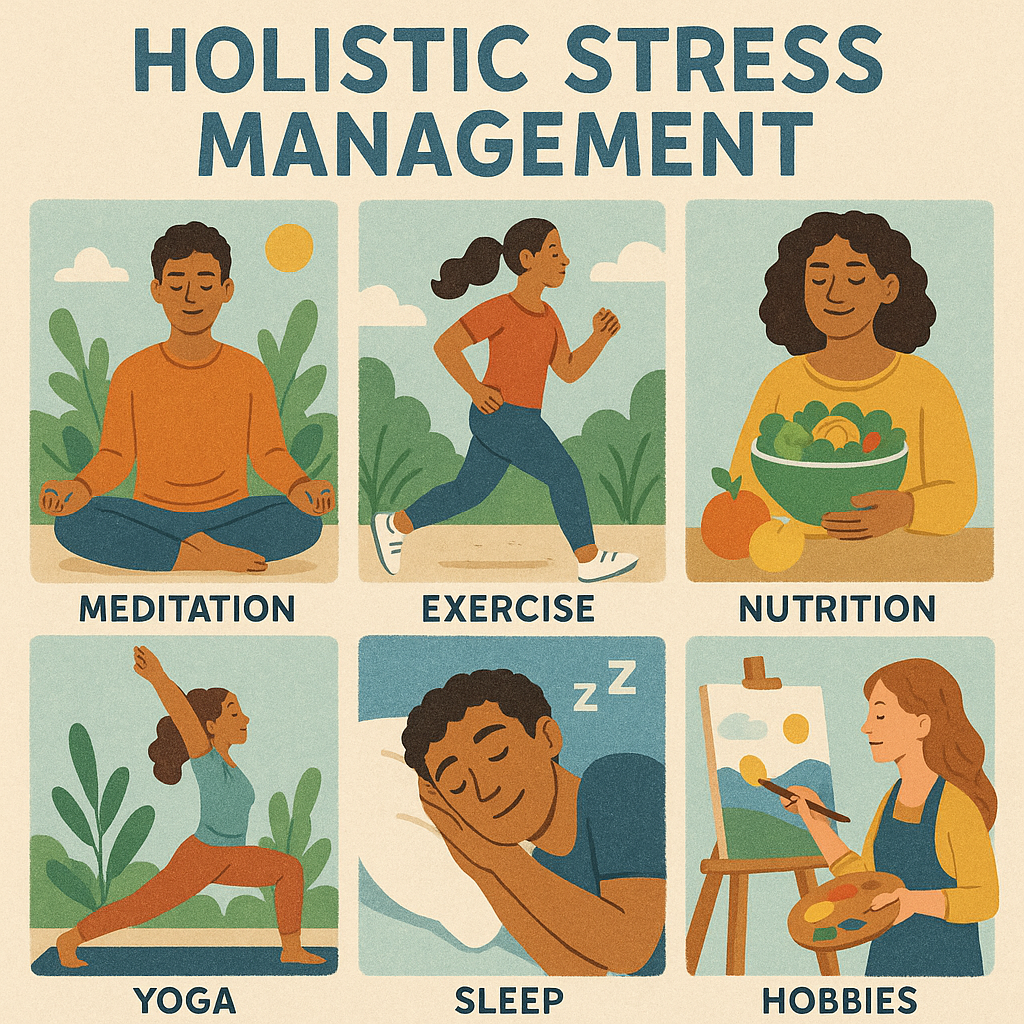
Oxalate detoxification is not solely a dietary endeavor; it involves managing stress and supporting the nervous system to optimize detox pathways. Stress impacts immune regulation and can heighten inflammation, which oxalate accumulation naturally exacerbates. Techniques such as mindfulness, deep breathing, and yoga can be powerful tools to calm the mind, reducing stress-induced inflammation and promoting the body’s natural healing processes.
This holistic approach must extend to managing cholesterol levels, where a shift from reliance on medications like statins to advanced lipid profiling and lifestyle adjustments can yield better health outcomes. Encouraging the natural regulation of cholesterol through nutritive support and low-stress lifestyles dovetails with managing oxalate levels.
Empowering individuals with knowledge about oxalates and their management is a vital step towards reclaiming health and enhancing longevity. By integrating dietary expertise with stress management and biochemical insights, we lay the groundwork for a more resilient and vibrant life. Such an informed approach not only alleviates symptoms but also propels the body towards a state of balanced wellness.