
Mastering Hormonal and Chronic Health through Keto and Carnivore Diets: A Comprehensive Guide for Menopausal Women, Chronic Illness Warriors, and Neurodiverse Families
The Fundamentals of Keto and Carnivore Diets
In the world of dietary approaches designed to counteract chronic health issues and hormonal imbalances, keto and carnivore diets emerge as potent allies. These dietary strategies emphasize the consumption of animal proteins, organ meats, and the strategic adjustment of macronutrients. By reducing carbohydrates to extreme lows, these approaches trigger beneficial metabolic changes. Understanding these fundamentals is crucial for anyone aiming to adopt these lifestyles for improved health.
The ketogenic diet operates on the principle of ketosis, where the body shifts its energy source from carbohydrates to fats. This metabolic state promotes fat burning and stabilizes blood sugar levels, proving particularly advantageous for individuals with insulin sensitivity issues. On the other hand, the carnivore diet simplifies this further by restricting intake to animal-derived foods, leading to a more straightforward dietary regimen.
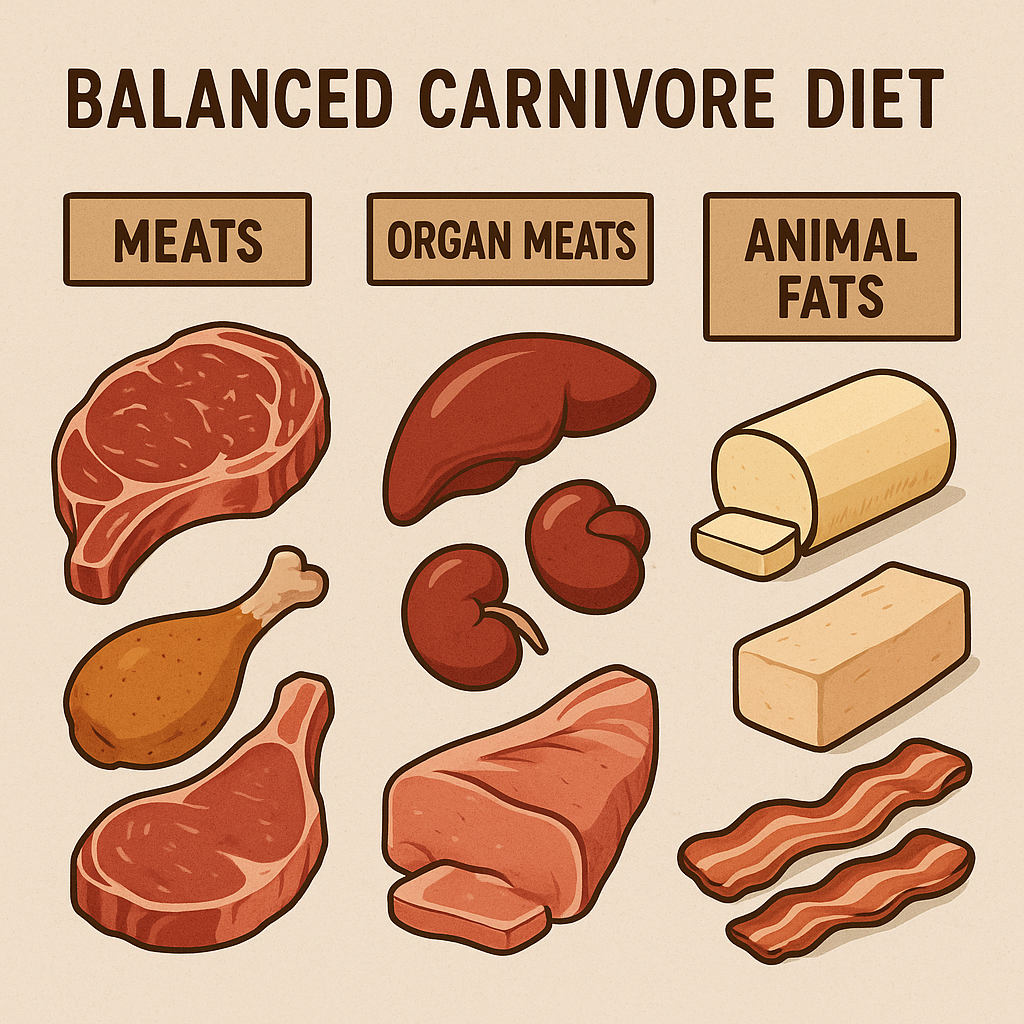
These diets rely heavily on nutrient-rich animal proteins like beef, chicken, and fish, alongside organ meats, which provide vital micronutrients often missing in plant-based foods. This strategic nutritional approach aligns perfectly with individualized health goals, allowing flexibility in macronutrient distribution while ensuring the body receives adequate nourishment.
Navigating Menopausal Changes through Diet
Menopause presents a unique set of challenges, impacting hormonal balance significantly. During this phase, women often experience symptoms like weight gain, mood swings, and decreased energy. Adopting a ketogenic or carnivore diet can be transformative in managing these changes.
Eliminating carbohydrates from one’s diet stabilizes blood sugar levels, reducing insulin spikes and promoting steady energy. Furthermore, the inclusion of cholesterol from animal proteins is crucial for hormone production, often subdued by conventional low-fat diets. Thoughtful supplementation, such as hormone replacement therapy (HRT), can be considered to complement dietary strategies for optimal results.

Notably, focusing on high-quality animal fats and proteins supports the hormonal systems further. Grass-fed beef, wild-caught fish, and free-range poultry not only provide essential fats but also contain omega-3 fatty acids that support emotional well-being and reduce inflammation.
Optimizing Gut Health in Chronic Conditions
For individuals battling chronic gut issues like IBS, Crohn’s, or colitis, keto and carnivore diets present significant benefits. These conditions are often exacerbated by high-fiber plant foods and oxalates. Reducing fiber intake alleviates gastrointestinal discomfort, while a carnivore diet eradicates oxalate-related irritants.
Oxalates, commonly found in leafy greens and nuts, can exacerbate inflammation within the gut lining. By minimizing these, individuals experience reduced symptoms and improved nutrient absorption. Additionally, the anti-inflammatory properties of certain animal foods help soothe irritated digestive systems, making these diets suitable for those with sensitive intestines.
Moreover, transitioning to a lower-fiber diet should be accompanied by a focus on collagen-rich foods such as bone broth that support gut lining repair. Regularly consuming fatty fish and shellfish can help maintain gut health by providing necessary nutrients like zinc and vitamin B12.
Debunking Myths around Cholesterol and Statins
Cholesterol has long been misunderstood, often villainized in modern diets. However, emerging research underscores its importance in maintaining cellular structure and hormone synthesis. The fear of dietary cholesterol leading to heart disease lacks substantial evidence, particularly in ketogenic and carnivore contexts.
Many individuals unnecessarily rely on statins out of fear rather than necessity, neglecting the body’s role in cholesterol regulation. A diet rich in saturated fats and cholesterol does not necessarily translate to elevated blood cholesterol but instead supports essential bodily functions.
Indeed, the integration of animal-based foods, rich in natural cholesterol, can actually lower the risk of cardiovascular complications. This occurs as the body adjusts to utilizing fats for energy, leading to favorable changes in lipid profiles and inflammation reduction.
Targeted Dietary Approaches for Neurodiverse Needs
Children with autism or ADHD often face dietary challenges that exacerbate their conditions. Implementing keto or carnivore diets can significantly improve behavioral and cognitive functions by eliminating food irritants like gluten and dairy.
Research indicates that gluten-free and dairy-free meals can help children with autism manage sensory sensitivities more effectively, enhance communication skills, and reduce gastrointestinal discomfort. Proper dietary interventions not only alleviate physical symptoms but also provide mental clarity, fostering a calmer environment for learning and development.
Incorporating high-quality proteins such as salmon, rich in omega-3, supports brain health, which is essential for children with ADHD. The regular intake of animal-based fats also stabilizes energy levels, thereby reducing hyperactivity and improving focus.
Appetite Regulation and Metabolic Healing
The ability to regulate hunger is closely tied to metabolic health. Hormones like leptin and ghrelin, responsible for appetite cues, are sensitive to dietary habits. Keto and carnivore diets naturally aid in balancing these hormones by providing consistent, energy-dense meals that leave little room for cravings.
Eliminating sugars, caffeine, and processed foods plays a pivotal role in controlling these hunger hormones, effectively minimizing blood sugar roller coasters. Prioritizing meals high in protein and moderate in fat ensures long-lasting satiation, making it easier to maintain a healthy weight and energy balance.
Moreover, the removal of caffeine helps keep cortisol levels in check, aiding in a more stable mood and circadian rhythm. By focusing on natural hydration sources and electrolyte balance, individuals can further diminish the need for artificial stimulants, enhancing overall wellbeing.
The Role of Vitamins, Dietary Coaching, and Retreats
Vitamin D and B12 intake is paramount for anyone following a keto or carnivore diet, as these vitamins support bone health and cardiovascular function. Ensuring adequate sun exposure and consuming fortified foods or supplements can alleviate deficiencies. Organ meats such as liver are rich in these nutrients and should be included whenever possible.
For those embarking on this dietary journey, professional guidance through dietary coaching or immersive retreats can offer invaluable support. These resources provide personalized nutrition plans and strategies that promote sustained health improvements. Attending retreats often provides a holistic environment conducive to physical and mental rejuvenation.
Ultimately, adopting a keto or carnivore diet is not merely about following a regimen, but embracing a lifestyle conducive to healing and longevity. By adopting these dietary patterns, you can embark on a path toward hormonal balance, chronic disease management, and improved quality of life
. Always remain open to learning, adjusting, and refining these practices to suit your unique health requirements.