
Empowering Diabetes Management Through Low-Carb, Culturally Tailored Nutrition: A Comparative Analysis of India and the US
Understanding the Science: Low-Carb Diets and Diabetes
The role of nutrition in managing and reversing diabetes has been a significant focus for researchers and practitioners alike. A growing body of evidence supports the efficacy of low-carbohydrate diets in improving blood glucose levels and increasing insulin sensitivity. The underlying principle is simple yet profound: by reducing carbohydrate intake, individuals can stabilize their blood sugar levels, minimizing the demands placed on their beta-cells. This approach not only helps manage existing diabetes but also acts preventatively by reducing risk factors associated with the disease.
A low-carb, high-fat (LCHF) diet shifts the body’s metabolism towards burning fats rather than carbohydrates, fostering improvements in metabolic health. This diet can result in reduced glycemic variability, better A1C levels, and, over time, weight loss—all critical factors in diabetes management. However, it’s crucial to note that individual responses to such dietary changes can vary. Personalized diet planning, considering genetic, metabolic, and lifestyle factors, is essential for optimal outcomes.
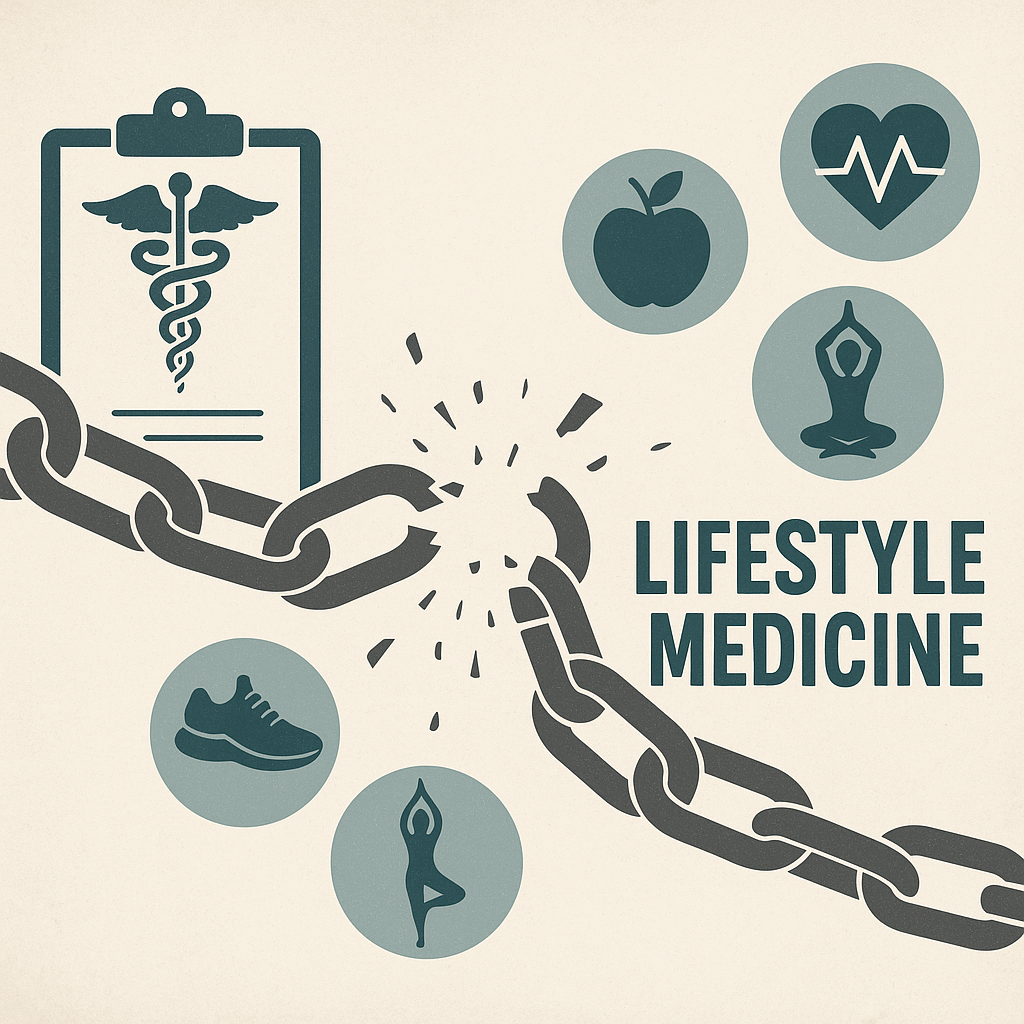
Cultural Tailoring for Diverse Populations
Implementing low-carb diets across different cultural contexts requires understanding and flexibility. The dietary staples of one culture don’t always fit another, making cultural sensitivity a critical aspect of successful nutrition planning. For example, in India, carbohydrate-rich foods like rice and chapatis are core elements of traditional diets, while in the US, high-calorie processed foods are more prevalent.
Tailoring interventions for the Indian context involves reducing the intake of refined grains and encouraging alternatives like millets or quinoa, which have lower glycemic impacts. Similarly, in the US, the focus could be on cutting back on refined sugars and increasing whole foods. Both approaches require a deep understanding of cultural nuances and offer opportunities for dietitians and health professionals to help patients navigate these transitions smoothly.
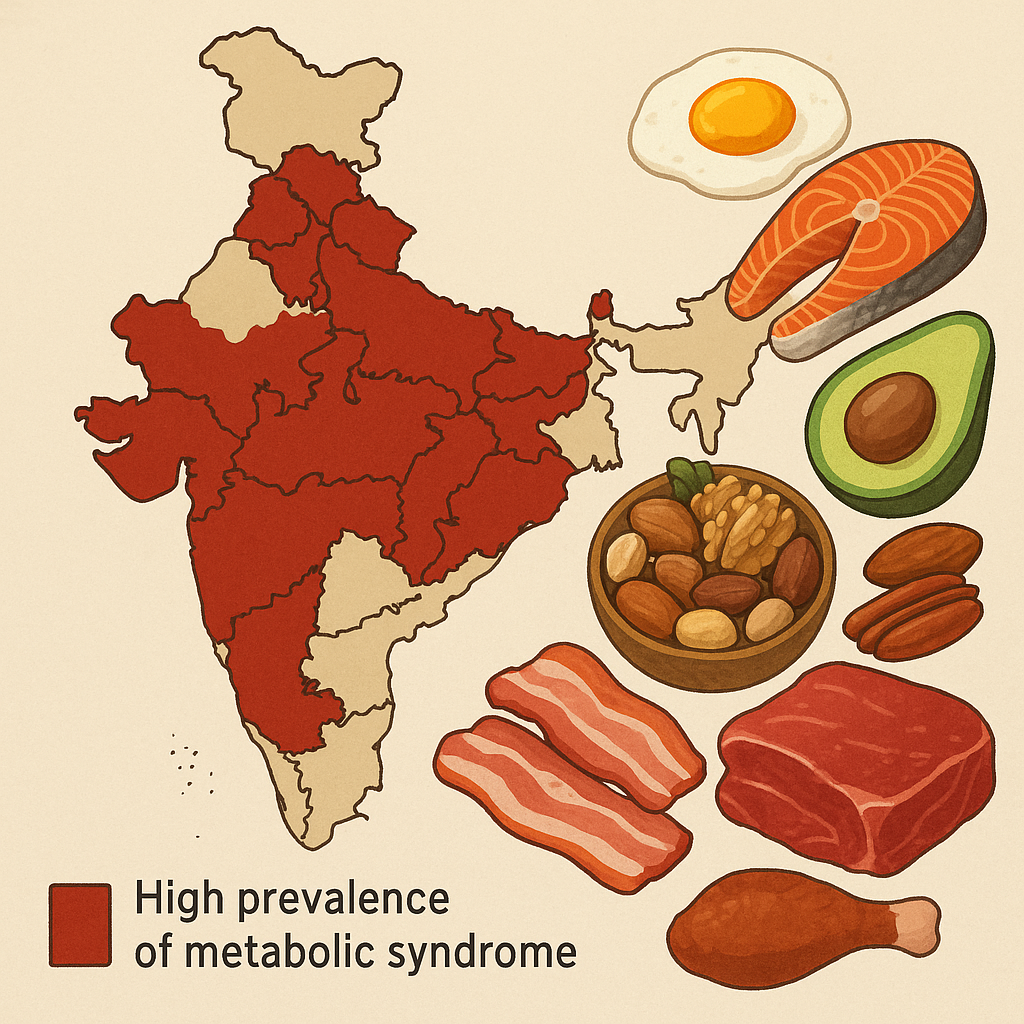
Vegetarian and Carnivore Diets: Meeting the Challenges
Navigating protein intake is crucial for those adopting a low-carb diet, particularly vegetarians, who may struggle to meet their daily protein needs. Animal products provide a straightforward protein source for non-vegetarians, but vegetarians might benefit from careful integration of lentils, beans, nuts, dairy, and protein supplements like shakes. It’s essential for these individuals to aim for approximately 1.2g of protein per kilogram of body weight per day to maintain muscle mass and metabolic functions.
In contrast, carnivore and omnivorous populations must focus on balance, avoiding overconsumption of animal fats that might lead to other health complications, such as cardiovascular diseases. The key is moderation and ensuring that the diet includes a variety of protein sources to prevent nutrient deficiencies.
Comparative Analysis: Diabetes Care Models in the US and India
The approaches to managing diabetes in the US and India demonstrate distinct differences, shaped by cultural, economic, and healthcare system disparities. In the US, healthcare often leans towards acute interventions with pharmaceuticals forming the backbone of diabetes management. This model, driven by strong pharmaceutical influences, sometimes overshadows nutrition-focused approaches.
India, with its diverse healthcare access issues, faces a dual challenge: integrating traditional dietary practices with modern medical interventions. Despite limited resources, there’s a significant opportunity to empower patients through community-based nutrition interventions and localized education programs, focusing on holistic care models that emphasize prevention over treatment.

Influence of Pharmaceutical-Driven Guidelines
Pharmaceutical companies play an outsized role in shaping diabetes management guidelines, which often emphasize medication over lifestyle changes. This model prioritizes symptom control rather than addressing root causes. Such medication-centric approaches can lead to patient dependency on insulin and other drugs without addressing the underlying dietary and lifestyle factors exacerbating the condition.
Critically evaluating these guidelines and advocating for nutrition-first interventions can cultivate a more grounded approach to diabetes management, reducing long-term health risks and improving quality of life. Patients and providers must work together to question the ‘one-size-fits-all’ prescriptions and explore personalized, nutrition-based strategies.
Addressing Pediatric Obesity and Diabetes
The rising incidence of pediatric obesity and diabetes is alarming. Unlike adults, children require interventions sensitive to their growth and development stages. The temptation of junk food, combined with decreased physical activity, contributes significantly to these issues. Early education about nutrition, portion control, and encouraging physical activities can help mitigate these trends.
Clinicians and educators need to prioritize behavioral health interventions over medicinal ones, reserving medications and surgeries as last resorts. Families can be empowered to make informed food choices through school programs and community initiatives that emphasize sustainable and culturally appropriate dietary habits.
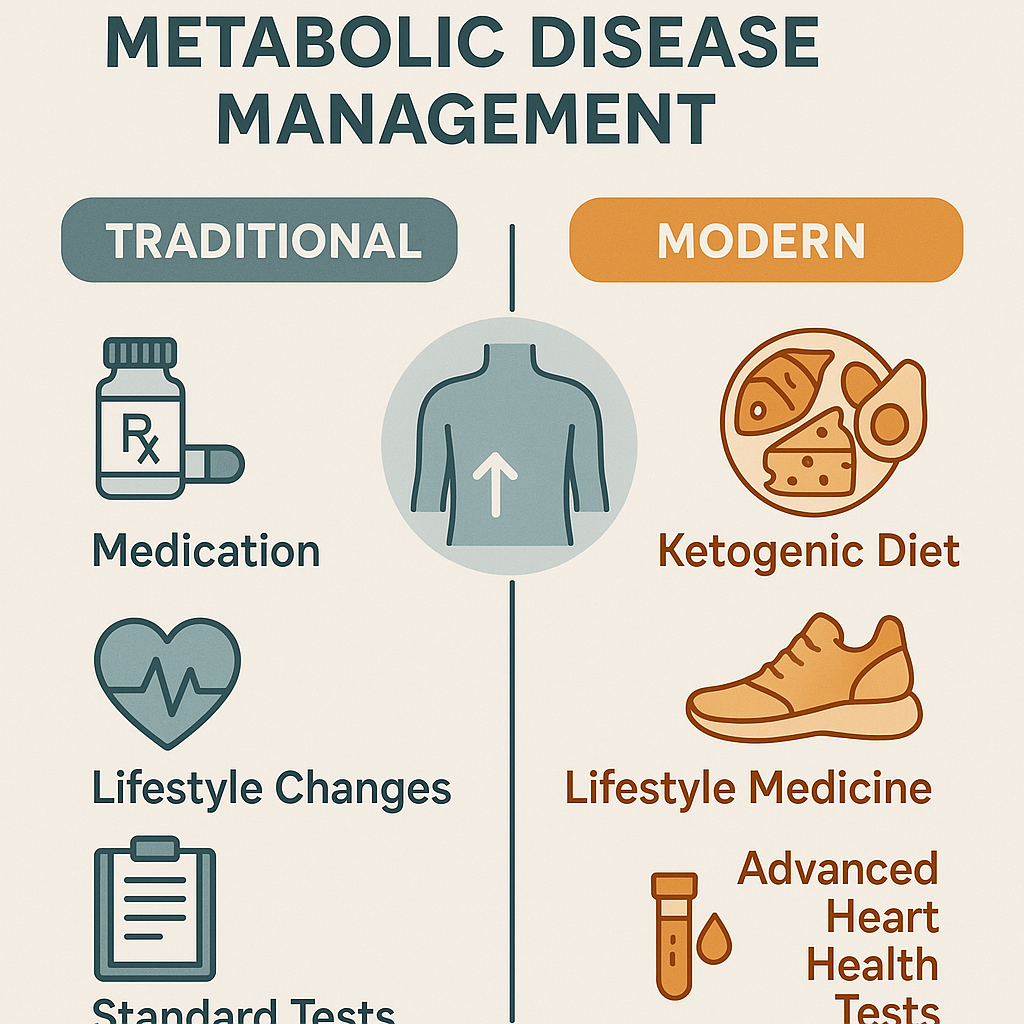
Reframing Diabetes Management for Lasting Change
The future of diabetes management lies in empowering individuals through education, personalized care, and culturally tailored nutrition plans. The transition from a reactive model to one focused on prevention and empowerment can lead to more sustainable health outcomes. Key to this shift is continuous patient engagement, through workshops and support groups that emphasize lifestyle alterations over medication reliance.
Healthcare providers can facilitate this change by advocating for personalized nutrition plans and regular metabolic monitoring to accommodate individual dietary responses, benefiting both patients in India and the US. By fostering an environment of trust and open communication, patients are better equipped to make informed choices leading to improved health outcomes.
Embracing a lifestyle-first, culturally relevant approach not only has the potential to reverse diabetes but also paves the way for holistic health improvements, reducing complications and enhancing quality of life for those affected by this condition globally.