
The Carnivore Diet as a Revolutionary Approach to Managing Chronic Hormonal and Metabolic Disorders

Rethinking Chronic Illness Management Through Nutrition
Imagine a world where the underlying causes of chronic illnesses, such as hypothyroidism, PCOS, and metabolic syndrome, are addressed at their roots rather than merely masked by pharmaceutical solutions. This revolutionary concept is gaining traction as more individuals seek alternative and effective strategies for managing their health. While traditional medical approaches often prioritize symptom management through medication, a growing body of anecdotal evidence suggests that nutrition, and specifically the carnivore diet, may offer a significant opportunity for genuine healing.
In a landscape dominated by quick fixes, Sarah’s journey to overcoming her chronic conditions through a carnivore diet serves as a beacon of hope. Her transformation highlights the potential of focused dietary interventions in addressing complex health issues by targeting hormonal imbalances and insulin resistance at their core. This article will delve into how this back-to-basics approach might just be the key to unlocking better health outcomes for many who find themselves trapped in a cycle of ineffective treatments.
Diving Deep: Carnivore Diet’s Impact on Blood Sugar and Insulin Resistance
For individuals struggling with chronic health issues, one frequent culprit is insulin resistance—a condition often overlooked by conventional treatments. The carnivore diet, characterized by the exclusive consumption of animal-based foods, promises significant metabolic benefits, primarily through its impact on blood sugar regulation.
Consuming only nutrient-dense animal products eliminates the blood sugar spikes and crashes associated with carbohydrate consumption. By reducing insulin levels, it helps the body restore its sensitivity to this critical hormone, allowing for an improved metabolic rate and energy utilization. In the case of individuals suffering from metabolic disorders, managing blood sugar levels is crucial to breaking free from the cycle of weight gain and persistent fatigue.
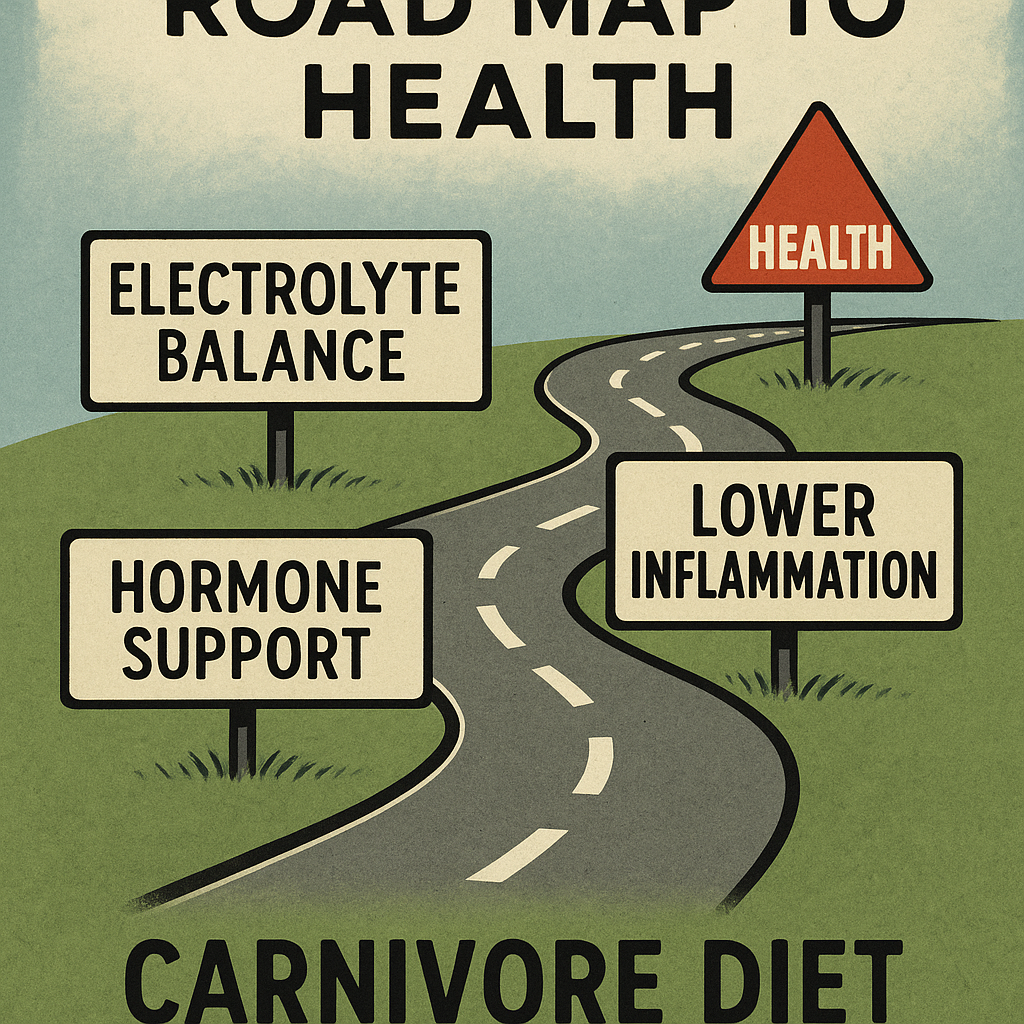
Moreover, the carnivore diet’s high protein intake supports glucagon production, a hormone that counterbalances insulin by promoting fat utilization for energy. This can be particularly beneficial for those struggling with stubborn weight loss despite following conventional dieting advice.
Women’s Hormonal Health: Reshaping the Narrative
Hormonal imbalances can wreak havoc on women’s health, leading to conditions such as PCOS and even exacerbating menopausal symptoms. Traditional treatments often involve hormone regulation through medication, yet nutritional interventions are beginning to show promising results. The carnivore diet, with its emphasis on hormone-supporting nutrients, may offer women effective ways to manage symptoms naturally.
Protein and fat-rich animal products supply essential building blocks for hormone production. By nurturing proper endocrine system function, women may notice improvements in their menstrual cycles, enhanced fertility, and relief from menopausal symptoms. Anecdotal accounts suggest that many women on a carnivore diet have experienced restored cycles and reduced symptom severity, especially during menopause and perimenopause.
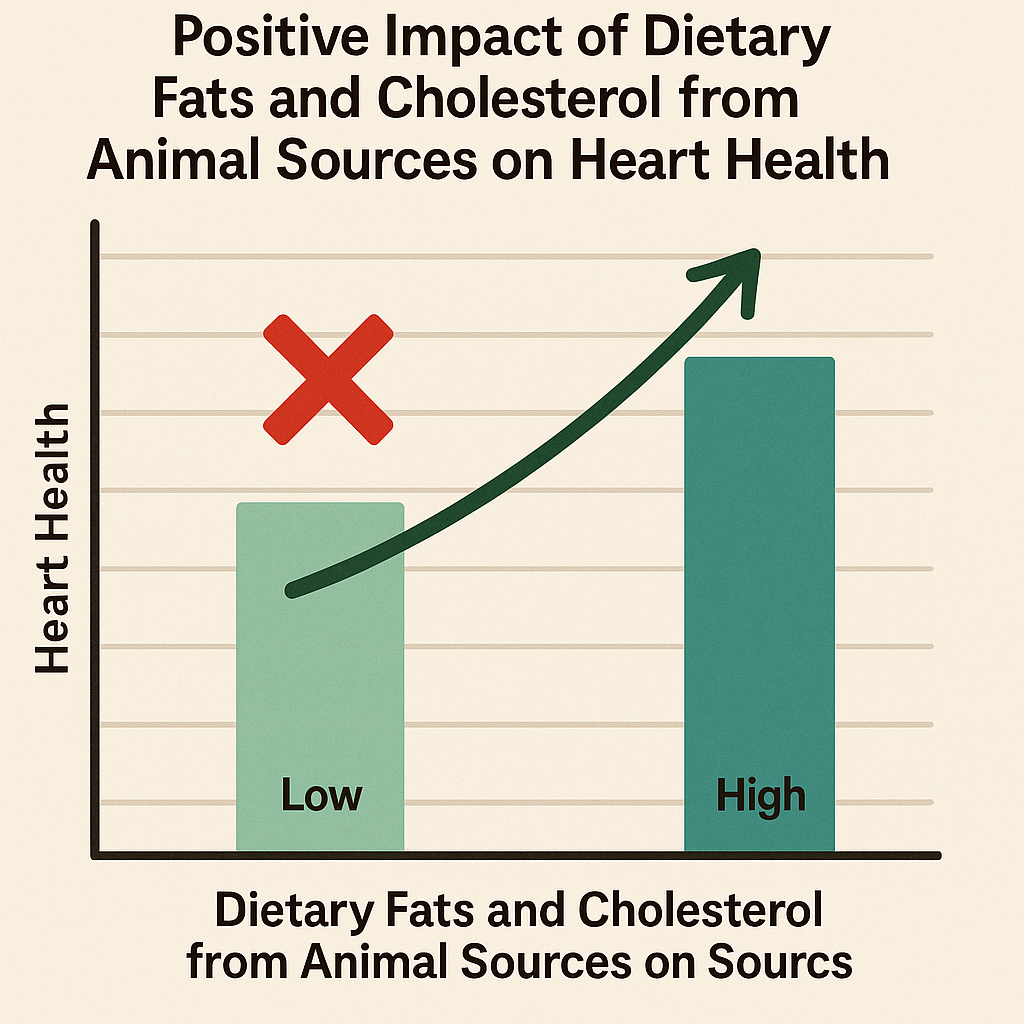
Additionally, by minimizing food sources that may disrupt hormonal balance—such as processed carbohydrates and sugars—the carnivore diet potentially reduces inflammatory markers that contribute to conditions like acne and other skin issues.
Challenges and Insights in Nutrition Research
The world of nutritional science is rife with challenges, not least because traditional research models like randomized controlled trials can be ill-suited to study individualized diets like carnivore. Nutritional studies often face the difficulty of controlling variables inherent in such personal, lifestyle-based choices. Furthermore, much existing research has been shaped by paradigms that do not fully consider a purely animal-based dietary approach.
In light of these challenges, anecdotal and observational reports take on a greater significance. While not as concrete as controlled trials, these experiences provide valuable insights for guiding dietary interventions. They reflect real-world applications and outcomes that might otherwise escape the scrutiny of conventional scientific output.
This grassroots evidence highlights the importance of exploring diverse dietary strategies and adjusting public health recommendations accordingly. By valuing personal experiences and observational data, we can pave the way to a more comprehensive understanding of dietary impacts on health.
Transitioning to Carnivore: Practical Advice for Success
Embarking on a carnivore diet is a deeply personal decision and often requires a period of adjustment. Transitioning safely necessitates understanding one’s body’s responses, particularly in terms of hunger signaling, sleep patterns, and digestive changes.
Gradually incorporating more animal-based products while eliminating processed foods allows the body to adapt and optimize its metabolic processes. Adequate protein intake is crucial for maintaining metabolism and supporting hormone function, while also helping to regulate appetite.
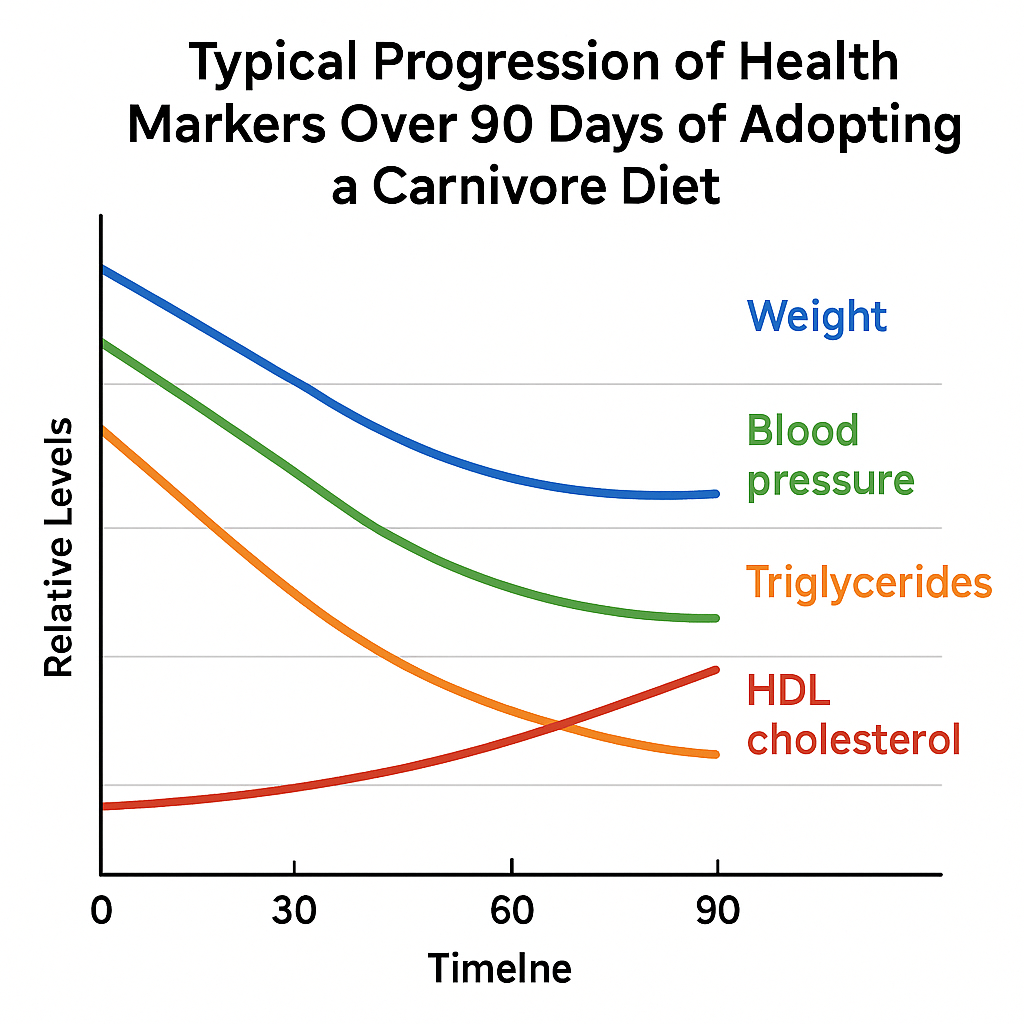
Many individuals report improvements in energy levels and mental clarity once their bodies adapt to this nutrient-dense diet. Explorations into the implications of raw versus pasteurized dairy on digestion and skin health may guide personal choices, as certain individuals find pasteurized dairy products exacerbate intolerance and allergies.
Empowering Healthcare: Integrating Metabolic and Nutritional Coaching
The conversation around chronic disease management is evolving, urging healthcare professionals to consider more holistic approaches. Integrating metabolic health with nutritional coaching offers potential for significant enhancements in patient care and outcomes. By educating patients on nutritional choices that support their unique health needs, practitioners can empower them to take charge of their healing journeys.
Patients often seek guidance beyond the limitations of pharmaceuticals, hoping for genuine transformations in their health conditions. This new framework aligns with a more patient-centric model of care, where the root causes are addressed, and long-term success is prioritized.
By adopting such practices, healthcare providers can offer a multi-faceted approach that goes beyond treating symptoms, ultimately nurturing better health and wellbeing for those struggling with chronic diseases.