
The Ultimate Guide to Managing Diabetes Through Low-Carb and Carnivore Diets
Challenging Conventional Dietary Wisdom for Diabetes
For decades, people with diabetes have adhered to conventional dietary guidelines that emphasize carbohydrates as a mainstay, often leading to unsatisfactory outcomes in blood sugar management and overall health. These traditional approaches typically advocate for a diet rich in fruits, whole grains, and vegetables, often paired with recommendations for minimal fat intake. While these guidelines are well-intentioned, they can prove counterproductive for many, particularly for those with insulin resistance or significant glucose dysregulation.
Historically, the low-fat, high-carb dietary model was based on the premise of reducing heart disease risk and managing weight. However, emerging evidence suggests that a significant number of individuals with diabetes do not respond favorably to this dietary template. Instead, alternative approaches like low-carb and carnivore diets are gaining prominence as viable solutions, offering improved blood sugar control, weight maintenance, and overall metabolic health.
Understanding the Body’s Glucose Needs
The human body requires glucose as a fundamental energy source, particularly for brain function. However, the necessity of dietary carbohydrates is often misunderstood. The body is capable of producing glucose endogenously through a process known as gluconeogenesis, in which non-carbohydrate substrates like amino acids are converted into glucose in the liver. This process ensures that even on a low-carb or zero-carb diet, the body’s glucose requirements are met without the necessity of direct carbohydrate consumption.
This metabolic capability is particularly beneficial for individuals with diabetes, as it reduces reliance on external carbohydrate sources, thereby dampening blood sugar spikes. Low-carb and carnivore diets utilize this physiological mechanism to modulate insulin levels more effectively, often resulting in improved glycemic control without the need for excessive insulin therapy.
Debunking Misconceptions: HbA1c and Low-Carb Diets
One of the most common concerns in the context of low-carb nutrition is the interpretation of HbA1c readings. HbA1c reflects the average blood glucose levels over the preceding three months, serving as a key marker for diabetes management. However, for individuals on low-carb diets, HbA1c alone may not provide a complete picture.
In this dietary context, various factors like changes in red blood cell turnover rates can affect HbA1c readings irrespective of actual glucose control. Thus, it is crucial to interpret HbA1c alongside other markers such as fasting glucose and postprandial blood sugar to accurately assess metabolic health. Regular self-monitoring of blood glucose levels can help elucidate personal responses and provide a more comprehensive understanding of diet-related impacts.
For those actively managing diabetes, utilizing continuous glucose monitoring (CGM) devices offers real-time insights into glucose variability, allowing for informed dietary and lifestyle adjustments.
Transitioning Safely: From High-Carb to Carnivore
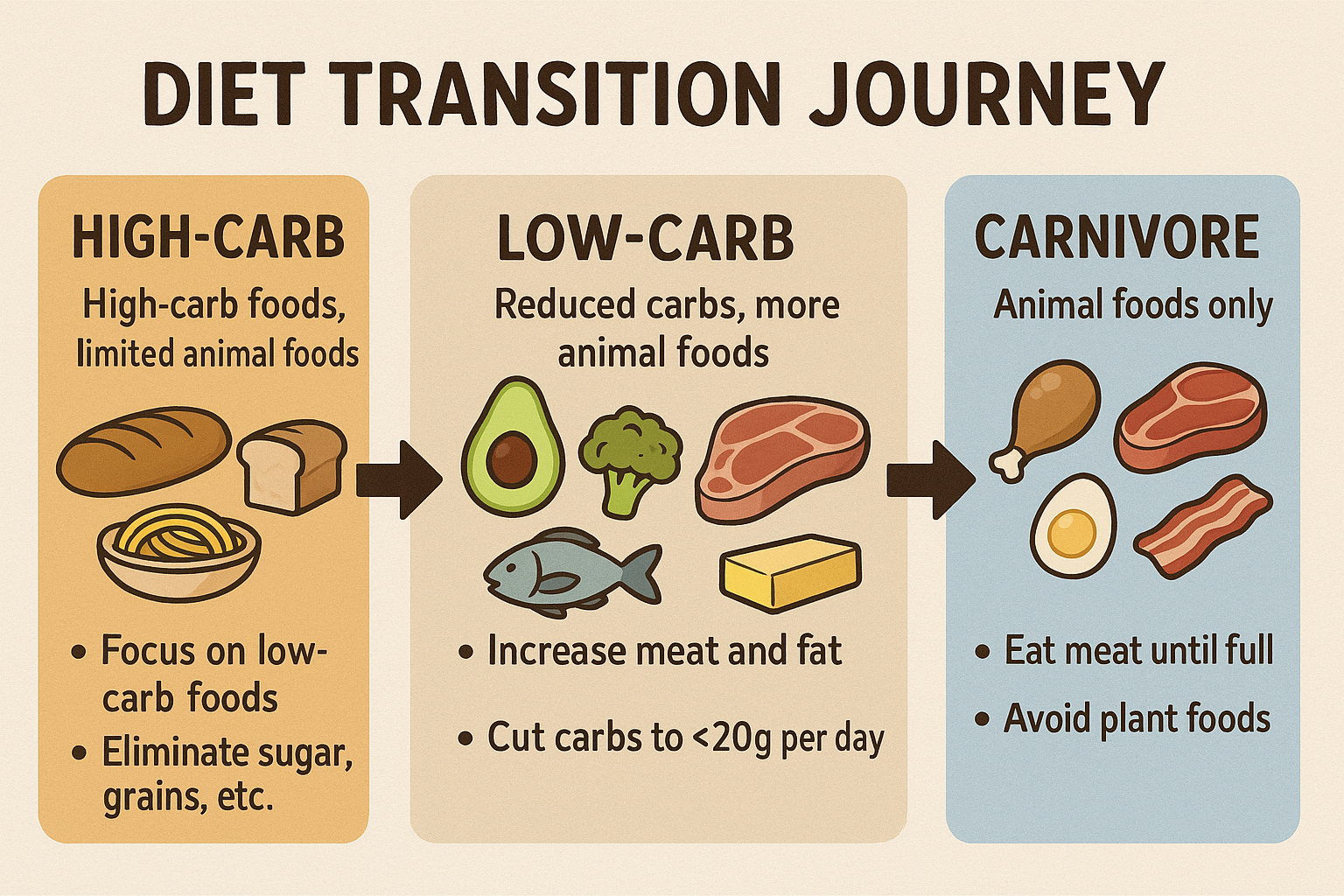
Switching from a high-carb diet to a carnivore approach requires a well-planned transition to minimize discomfort and optimize benefits. Initiating the dietary shift, one should gradually decrease carbohydrate intake while incorporating nutrient-dense animal foods. This helps ease the body into a fat-adaptive state, where it efficiently utilizes fatty acids as primary fuel.
New adopters often experience temporary symptoms known as ‘keto flu,’ which can include fatigue, headaches, and irritability. These symptoms often subside as the body adapts. Ensuring adequate hydration and electrolyte balance, particularly with minerals like sodium, potassium, and magnesium, can alleviate these initial challenges.
The carnivore diet, characterized by the exclusive consumption of animal products, emphasizes nutrient-rich foods that support metabolic health and offer unique advantages over plant-based items, often critiqued for their anti-nutrient content. Individuals should consider working with health professionals specializing in low-carb nutrition to tailor their transition and dietary choices to personal health needs and goals.
Actionable Strategies: Meal Plans, Recipes, and Sustainable Tips
Adopting low-carb or carnivore diets requires practical, sustainable strategies to ensure adherence and optimal health benefits. Starting with assured meal plans aids in effectively navigating this dietary journey.
A typical low-carb meal plan might include breakfast featuring eggs and smoked salmon, lunch with a spinach and feta cheese omelet, and dinner comprising grilled steak with butter. Conversely, a carnivore meal plan might simplify choices to meals like ribeye steaks, organ meats, and bone broth.
Recipe ideas abound, such as a slow-cooked pork belly seasoned with herbs or a simple chicken liver pâté, providing both variety and nutritional density. Batch cooking and making use of leftovers also support the practicality of maintaining these dietary regimes long-term.
- Egg and Bacon Scramble: A classic breakfast option packed with protein and essential fats.
- Herb Crusted Lamb Chops: Seasoned with rosemary and baked to perfection for dinner.
Engaging in meal prep and creating a repertoire of favorite dishes ensures sustained commitment. Supplements of particular nutrients like omega-3s or Vitamin D may be beneficial, contingent on individual assessments.

Monitoring Health Markers and Professional Guidance
For ongoing success, regular monitoring of health markers, including blood glucose and lipid profiles, is critical. Maintaining detailed records allows individuals to correlate dietary patterns with shifts in health metrics, empowering them to make informed adjustments.
Resistance training complements these dietary approaches by promoting muscle mass preservation, which is crucial for metabolic health, particularly as one ages. Incorporating activities like weightlifting or bodyweight exercises into weekly routines leads to progressive strength gains and enhanced insulin sensitivity.
While exploring these diets can be self-directed, professional guidance from practitioners familiar with low-carb methodologies significantly enhances outcomes. Through personalized consultations, individuals receive tailored recommendations and monitoring support, ensuring health objectives align with dietary practices.
Approaching diabetes management with a mindset open to experimentation and evidence-based insights allows individuals to redefine their health path, potentially yielding transformative results beyond what traditional dietary wisdom offers.

Every step taken toward understanding one’s body and nutritional needs adds to the robust narrative of reclaiming health — an ultimate journey of empowerment and discovery, beyond the confines of standard dietary paradigms.