
The Complete Guide to Managing Diabetes with Low-Carb and Carnivore Diets: Debunking HbA1c Myths and Understanding Metabolic Health

Transforming Your Health: The Low-Carb and Carnivore Approach
Managing diabetes can be perceived as navigating a complex puzzle with pieces that don’t always fit together perfectly. Traditional dietary guidelines suggest pathways that often lead to limited success, leaving individuals with diabetes searching for better solutions. Many are now turning to low-carb and carnivore diets, and while these dietary changes are not without their complexities, they offer promising results. What if the answers lie not in adding more but in simplifying? Let’s embark on a journey to explore the depths of these diets and how they can revolutionize diabetes management, unravel common misconceptions, and even challenge the standard interpretation of blood markers like HbA1c.
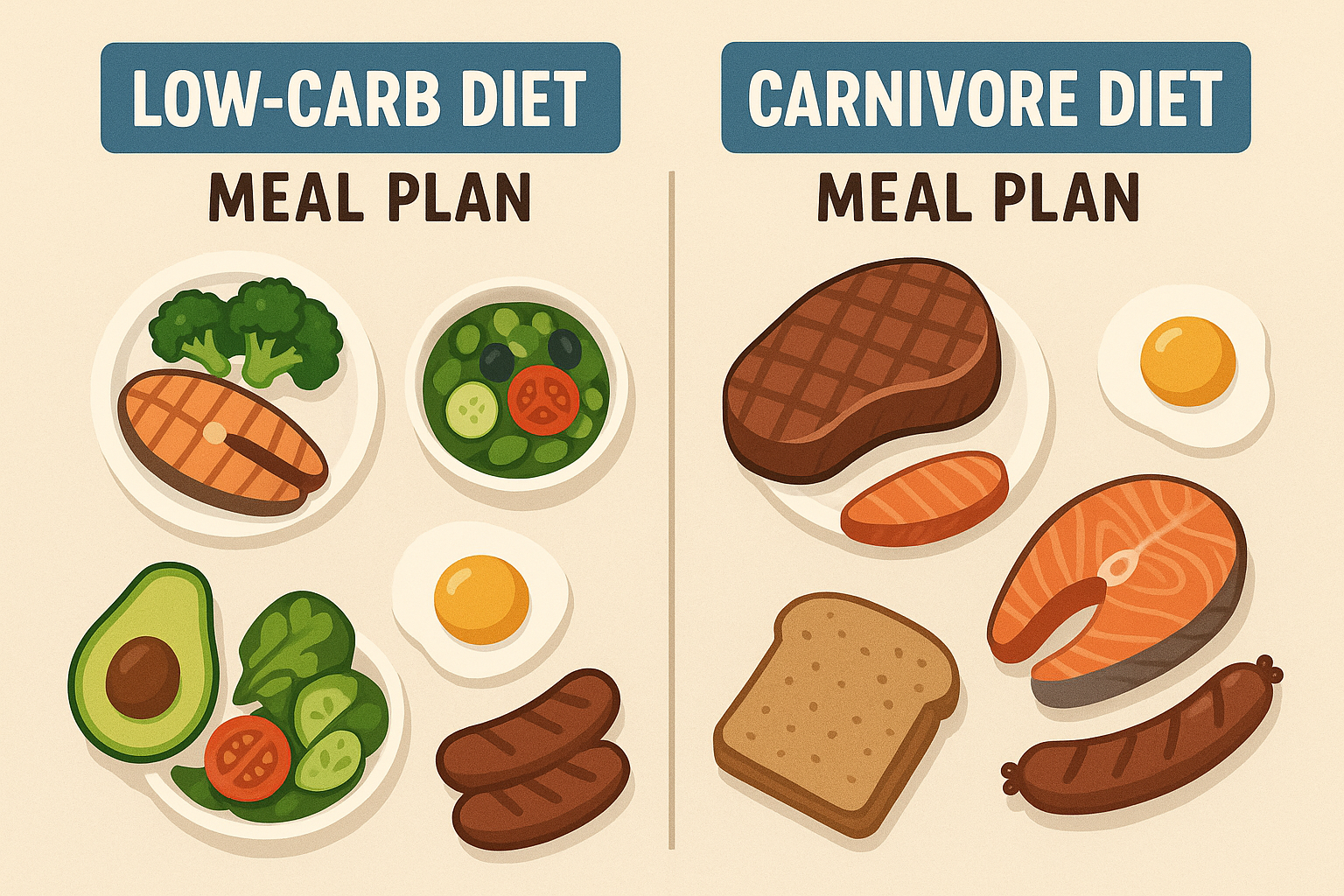
Navigating the Transition: From High-Carb to Carnivore
Transitioning from a high-carb diet to a more restrictive low-carb or carnivore diet can seem daunting. However, understanding the process can ease this transition. The key is to gradually decrease your carbohydrate intake, allowing your body to adapt to using fats as its primary energy source. Starting with a balanced low-carb approach before diving into a strict carnivore diet could offer a smoother transition.
Understanding Your Body’s Adaptation
Initially, as you reduce carbohydrate consumption, you may experience symptoms commonly referred to as the ‘keto flu,’ which includes fatigue and headaches. These symptoms are temporary and usually indicate your body’s adjustment to a new fuel source. The transition might require additional electrolytes like sodium, potassium, and magnesium to balance this shift effectively.
Overcoming Common Challenges
Social situations and long-held beliefs about nutrition can make this dietary shift challenging. Communicating your dietary changes to friends and family might aid in gaining support. Meanwhile, self-education and joining communities of like-minded individuals offer both resources and encouragement. Each step towards a low-carb or carnivore diet brings you closer to achieving stable blood sugar levels and reducing insulin resistance.
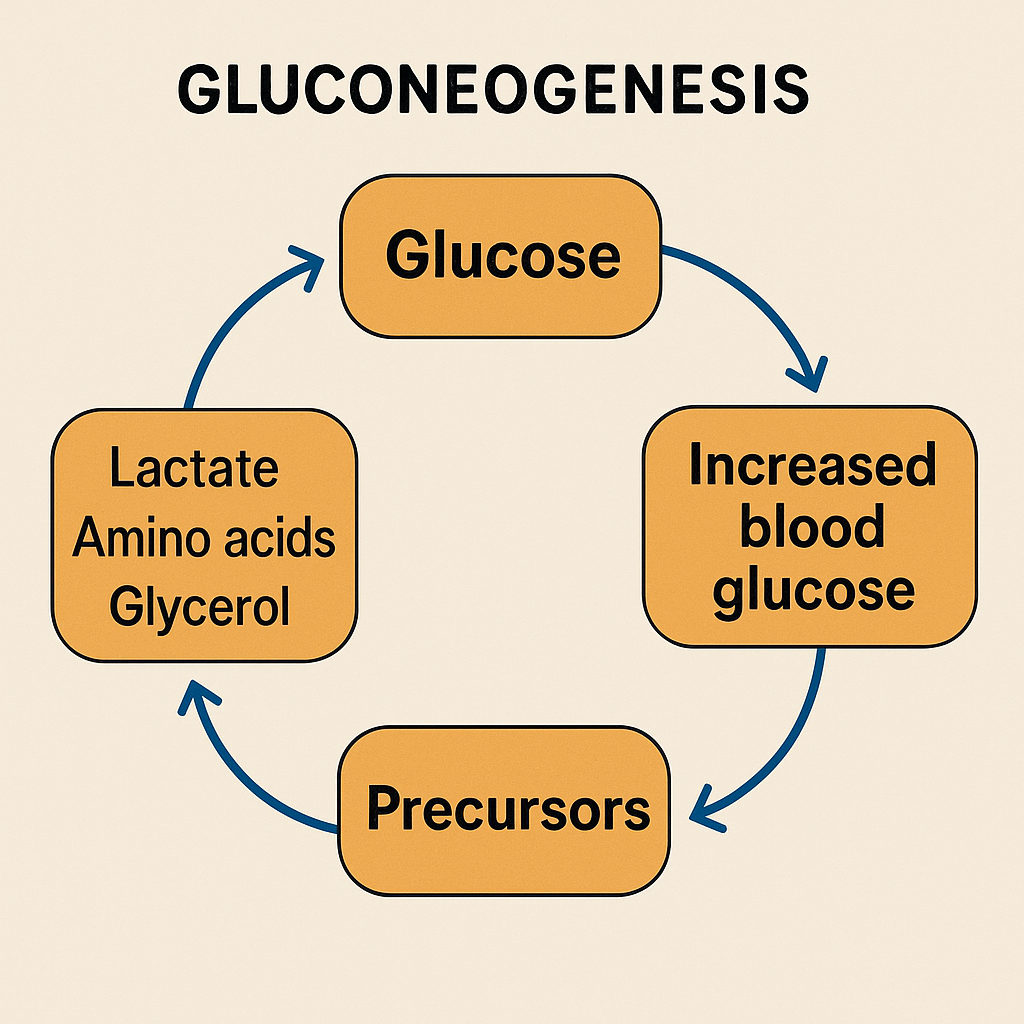
The Role of Gluconeogenesis: Your Body’s Glucose Needs
One of the greatest advantages of the carnivore and low-carb diets is the reduction of dietary glucose. However, the myth that your body has non-negotiable requirements for dietary carbs persists. Here, gluconeogenesis steps in as a vital metabolic process. This liver-initiated process produces glucose from non-carbohydrate sources, predominantly amino acids from proteins, thereby ensuring that your body continues to have the necessary glucose for functions requiring it, such as brain and muscle activity.
Debunking the Need for Dietary Carbs
Your body can efficiently meet its glucose demands through gluconeogenesis without relying heavily on dietary carbohydrates. The shift towards a carnivore diet emphasizes energy sources that avoid chronic glucose spikes, thus maintaining metabolic health. Reviewing this process challenges conventional wisdom and highlights how our bodies are inherently adaptable.
HbA1c: Analyzing Misconceptions
HbA1c is a common metric used to measure long-term blood sugar levels and is often misleading for individuals on low-carb or carnivore diets. This measurement, which reflects the average glucose levels over the past three months, can be skewed in low-carb dieters and not provide an accurate picture of metabolic health.
Why Traditional HbA1c Interpretations Fall Short
Traditional interpretation does not account for the lower variability and steadier glucose levels in low-carb diets. A high mean corpuscular volume (MCV), associated with low-carb diets, may result in artificially elevated HbA1c levels, giving an incorrect indication of poor glucose management. Therefore, utilizing additional markers and post-prandial glucose measures provides a more comprehensive picture of your metabolic state.
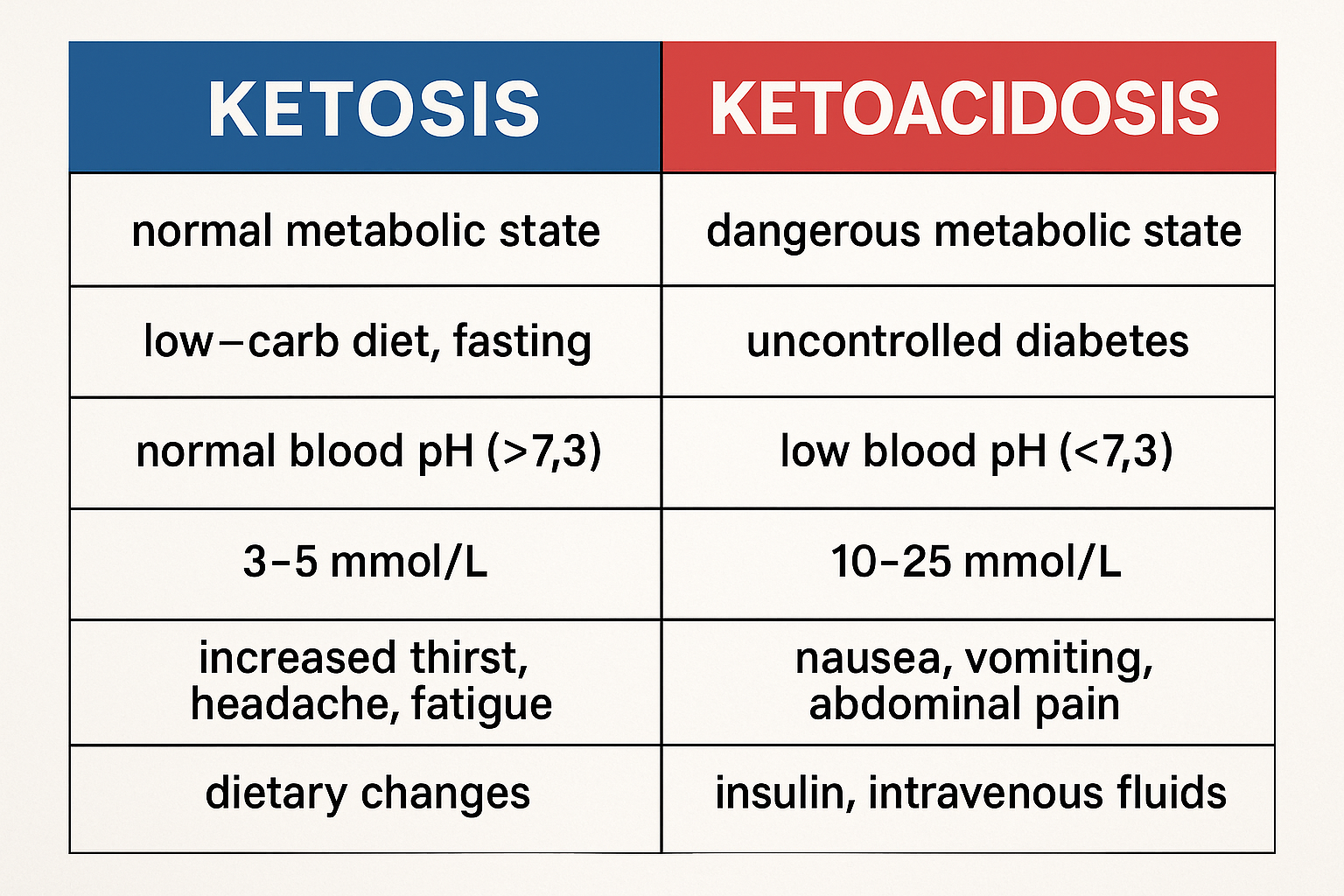
Ketosis vs. Ketoacidosis: Clarity for Your Safety
Ketosis and ketoacidosis are often confused, yet they are vastly different physiological states. Ketosis, a safe metabolic state achieved through a low-carb or carnivore diet, involves elevated ketone bodies as an energy source. In contrast, ketoacidosis, a dangerous condition mainly affecting Type 1 diabetics, results from insufficient insulin causing high blood sugar and ketone levels.
Understanding the Distinction
Ketosis is a state of fat metabolism that can promote weight loss and better control blood sugars without posing health risks. It differs categorically from ketoacidosis, requiring hyper-awareness of your ketone levels, typically through monitoring methods that safeguard your health. Adoption of a low-carb diet should always consider individual health conditions, ensuring awareness and readiness to mitigate any potential risks effectively.
Enhancing Longevity: The Role of Muscle Preservation
Preservation of muscle mass is a critical aspect often underappreciated in discussions of diet and aging. As people age, muscle mass naturally declines, contributing to deteriorating metabolic health. One convincing way to counteract this is through strategic resistance training combined with a nutrient-rich diet, grounded in adequate protein intake as seen in carnivore diets.
Resistance Training for Healthy Aging
Incorporating resistance training exercises promotes muscle growth, maintains strength, and supports overall metabolic health. Such exercises stimulate muscle protein synthesis, countering age-related muscle loss. Paired with a high-protein diet, it ensures that muscles are not only preserved but reinforced, bolstering an individual’s health span.
Designing Your Dietary Path: Practical Steps Forward
Constructing a personalized dietary plan that aligns with your metabolic health goals can’t be understated. Start by incorporating simple, easy-to-digest meats and gradually expand to include various animal-based foods. Monitoring your blood biomarkers with glucose monitors empowers your decisions, offering insights into how specific foods impact your health metrics.
Interpreting Blood Markers in Context
While navigating dietary changes, understanding blood markers beyond conventional screenings provides clarity. Pairing continuous glucose monitors with periodic cholesterol and triglyceride checks reveals how your unique physiology responds to dietary adjustments and dispels doubts raised by misinterpreted HbA1c levels.
This comprehensive approach to diet and health, combined with practical action steps, defies traditional dietary wisdom, offering a path towards unparalleled metabolic management and healthy aging. Your journey towards sustainable health begins with informed dietary choices and thoughtful reflections on metabolic truths.